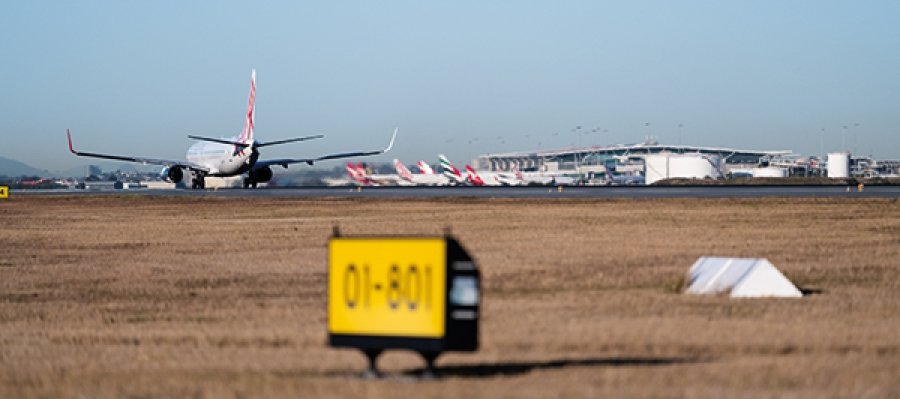
ENVIRONMENT, SUSTAINABILITY New solar power plant being built at Melbourne Airport 16 Sep 2020 Joe BatesA new 10 MW solar energy farm is taking shape at Melbourne Airport, which is set to produce enough clean energy to provide...
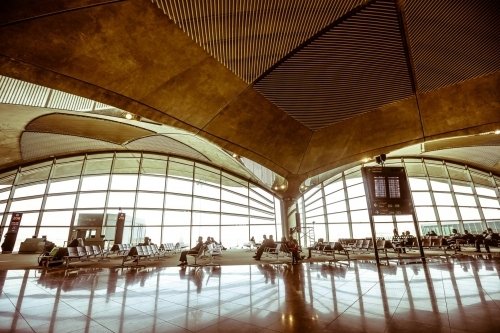
ASIA-PACIFIC & MIDDLE EAST, ENVIRONMENT Jordan’s Queen Alia International Airport renews carbon neutral status 15 Sep 2020 Staff reporterQueen Alia International Airport (QAIA) has successfully renewed and extended its Level 3+ ‘Neutrality’ status in ACI’s Airport Carbon Accreditation (ACA) programme. As...
ENVIRONMENT, SUSTAINABILITY BLOG: Reducing aviation’s emissions starts before take-off 9 Sep 2020 Thomas de BoerAviation has many benefits for our world. Arguably, no other industry has done more globally to connect people, power economies, and enable progress...
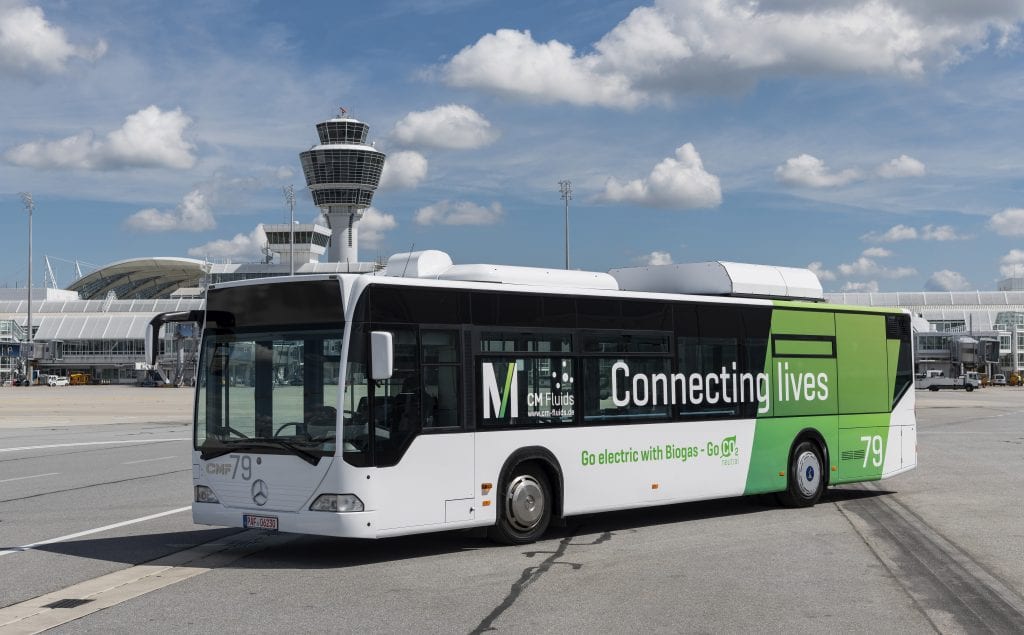
ENVIRONMENT, SUSTAINABILITY Munich Airport unveils CO2 eliminating renewable bio-methane powered bus 26 Aug 2020 Joe BatesMunich Airport (MUC) has introduced a A CO2-neutral passenger bus with an innovative drive concept as it strives to reduce its carbon emissions...
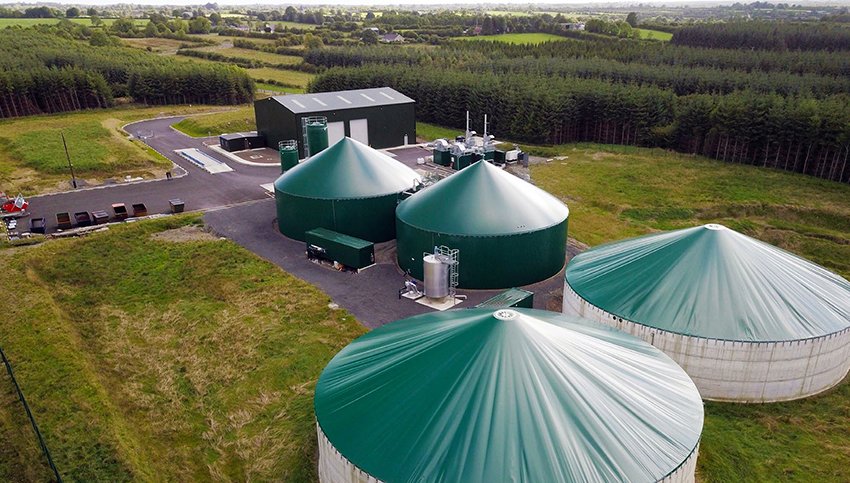
AW3 2020, ENVIRONMENT, SUSTAINABILITY Green energy 30 Jul 2020 Jocelyne BiaAnaerobic digestion can help airports become more environmentally friendly and reduce their carbon footprint, writes the World Biogas Association’s Jocelyne Bia. As countries...
Airport World APA2 2020, ASIA-PACIFIC & MIDDLE EAST, ENVIRONMENT View from the top 8 Jul 2020 Stefano BaronciDirector general, Stefano Baronci, reflects on the impact of COVID-19, ACI Asia-Pacific’s recent virtual Regional Board meeting and Assembly, new Strategic Plan and...
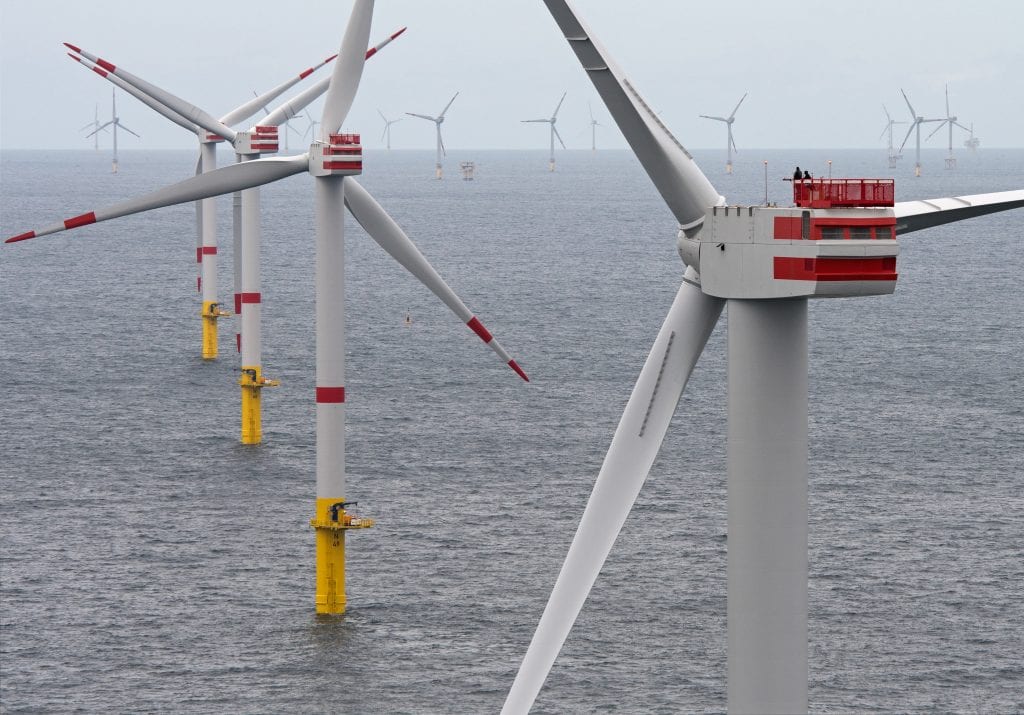
ENVIRONMENT, SUSTAINABILITY Frankfurt Airport unveils wind power plans as part of green energy strategy 9 Jun 2020 Joe BatesFrankfurt Airport is set to turn to wind power to provide the bulk of its electricity as part of its ongoing commitment to...
AW2 2020, ENVIRONMENT Going green 4 Jun 2020 Joe BatesAirport World turns the spotlight on the green initiatives of three North American airports – Québec City Jean Lesage (YQB), San Diego (SAN)...
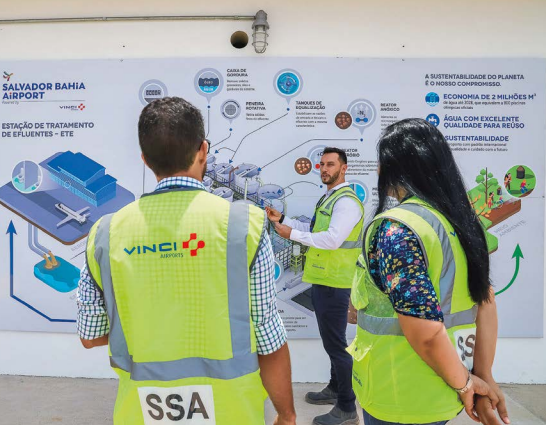
ENVIRONMENT, SUSTAINABILITY Salvador Bahia Airport is Brazil’s most sustainable gateway 18 May 2020 Joe BatesAccording to a new survey by the country’s National Civil Aviation Agency (ANAC), Salvador Bahia Airport is the most sustainable gateway in Brazil....
ASIA-PACIFIC & MIDDLE EAST, ENVIRONMENT NEIGHBOURHOOD WATCH 12 May 2020 Matt Mills-BrooksAirports across the world are actively working to reduce their noise footprint and engaging with their communities to create environmental capacity, writes Envirosuite’s...
Airport World ASIA-PACIFIC & MIDDLE EAST, ENVIRONMENT, SAFETY & SECURITY FLOOD WARNING! 5 May 2020 Vivek Sindhamani & Peter VorageVivek Sindhamani and Peter Vorage discuss the growing threat of flooding to airports and how some of the region’s major hubs are planning...
ASIA-PACIFIC & MIDDLE EAST, ENVIRONMENT AVIATION’S CHALLENGE 30 Apr 2020 Joe BatesLeonie Dobbie, aviation consultancy company WSP’s strategic aviation advisor, considers the benefits of embedding sustainability action into airport decision-making. From the 1991 Earth...