



Avian radar to protect birds at King Shaka International Airport

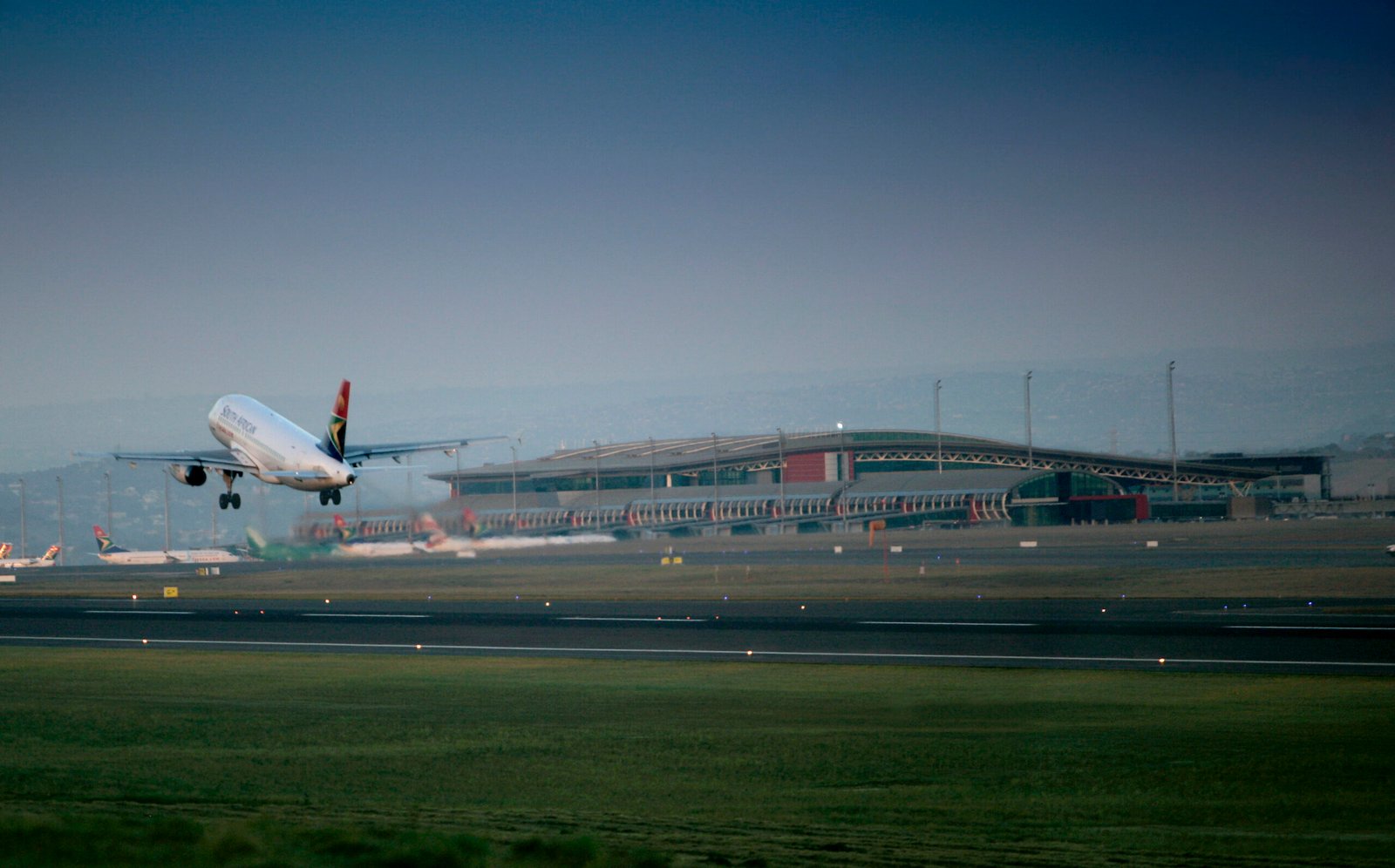
HENSOLDT South Africa and Robin Radar have joined forces to support Durban’s King Shaka International Airport in its mission to protect millions of migrating barn swallows while enhancing airline safety.
The barn swallow is an intercontinental migrant bird species that spends the austral summer mainly in the southern hemisphere, including southern Africa.
And with up to three million gathering each evening to roost from September to early March, though spectacular, these gatherings leave the swallows vulnerable to airstrikes and create safety challenges for the nearby airport, a few kilometres away.
In response, prime contractor HENSOLDT has enlisted Robin’s support in deploying the purpose-built full 3D avian radar, MAX, with a Bird Viewer web-based display system at Durban’s King Shaka International Airport.
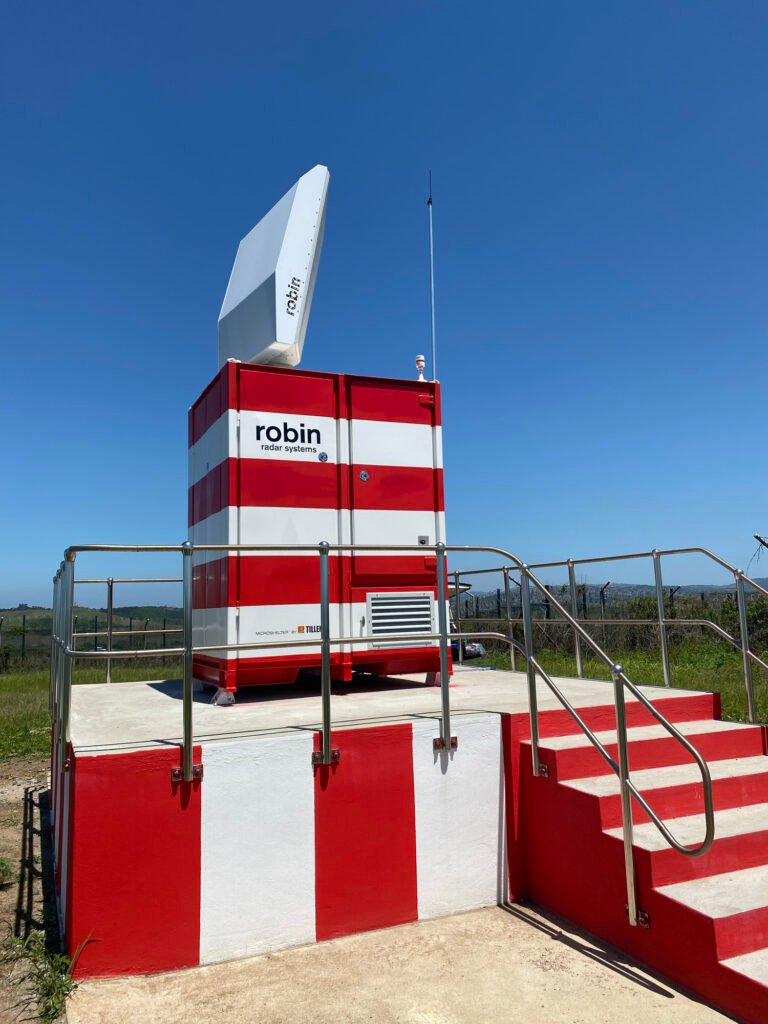
The deployment marks the first collaboration of its kind on the continent, with KSIA being one of only two airports on the African continent with this technology. This shows a growing need to find the balance between increasing safety and protecting biodiversity at airports.
MAX, which makes its debut in South Africa and brings its deployment tally to six continents, combines 3D (altitude information with 60° elevation coverage) with 360° horizontal coverage, and an instrumented range of 15 kilometres.
Capabilities include rotation at 60 revolutions per minute, the fastest in the market. This radar system enables airports around the globe to track bird movements in real time, all around them, all year round.
Researchers from the University of KwaZulu-Natal, Discipline of Biological Sciences, are contributing to the radar programme by gathering data, correlating field-identified birds with radar-detected birds, and loading observed bird species names into the database.
Correlating field and web-based data helps refine the radar technology to better understand the local environment.
Christiaan Pelser, head of ATM and services at HENSOLDT South Africa, noted: “The Durban deployment highlights a growing recognition across sectors that safeguarding ecosystems and ensuring safe operations are not opposing priorities. With the right technology and partnerships, they reinforce one another.”