


Next generation APM vehicles enter service at Hartsfield-Jackson Atlanta

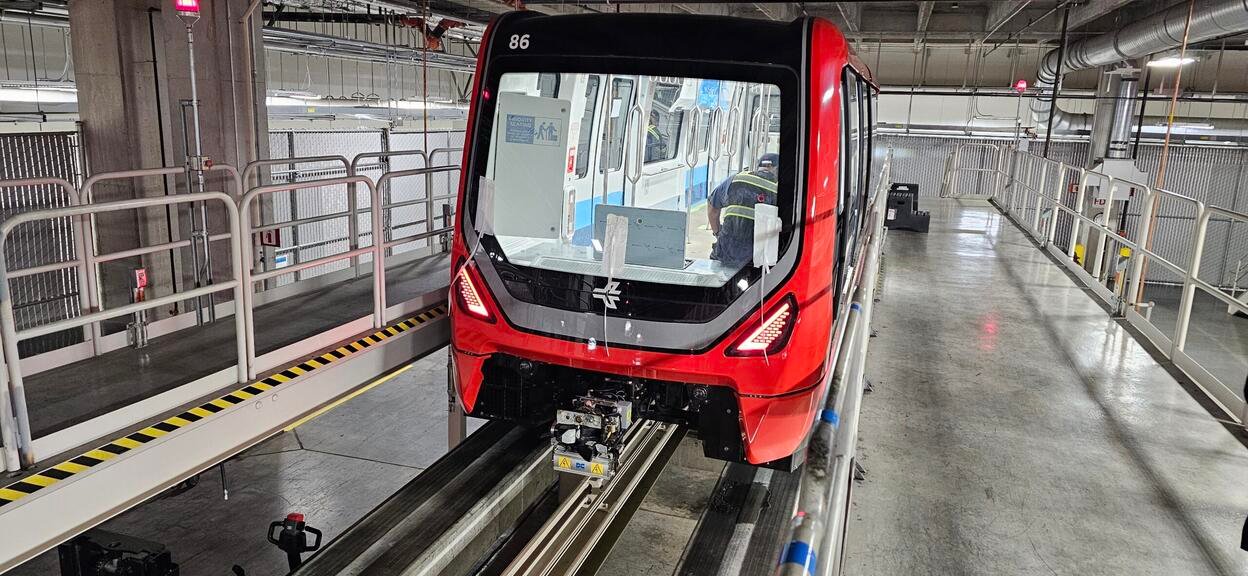
Alstom and Hartsfield-Jackson Atlanta International Airport (ATL) today announced the introduction of next-generation vehicles and strategic infrastructure upgrades to the Plane Train system.
The milestone marks a significant step forward to increasing the system’s capacity both for long-term growth and the short-term imperative of accommodating soccer-related traffic this summer.
Four state-of-the-art automated people mover (APM) vehicles entered passenger service on Friday.
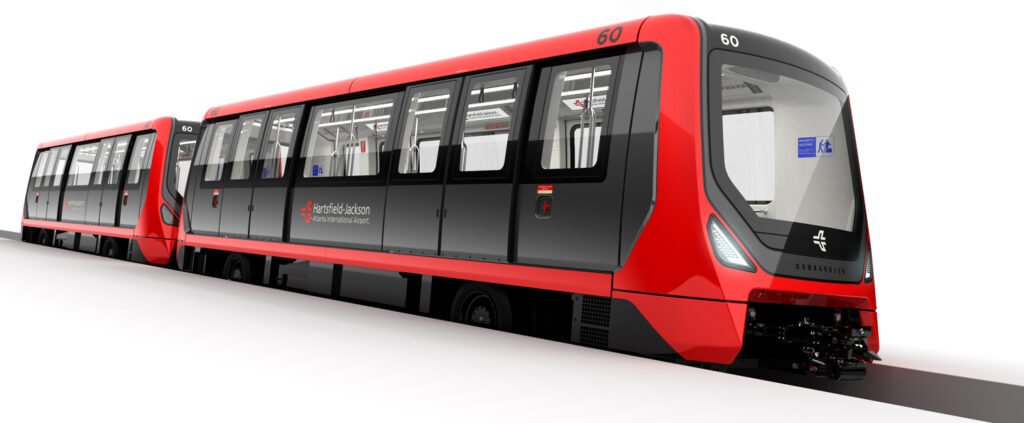
These are the first of 63 Innovia APM R cars that Alstom is manufacturing for the airport to modernise and expand its fleet. The larger fleet, combined with guideway improvements, will let the airport run trains more frequently, reducing wait times and crowding for travellers.
“We committed to increasing the capacity of the Plane Train before Atlanta began hosting soccer matches [FIFA World Cup] this month, and we are proud to deliver on that commitment,” said Michael Keroullé, president and CEO of Alstom Americas.
“Today’s news is another important milestone in our decades-long partnership with the City of Atlanta, and part of the transportation legacy of this tournament.
“This project will help passengers and employees move around the airport more quickly and comfortably for years to come.”
Alstom built and installed the Plane Train 45 years ago and has operated and maintained it ever since.
The fast, efficient, driverless Innovia APM system is critical for the functioning of the world’s largest airport, connecting seven concourses and two terminals across a 2.8-mile underground system.
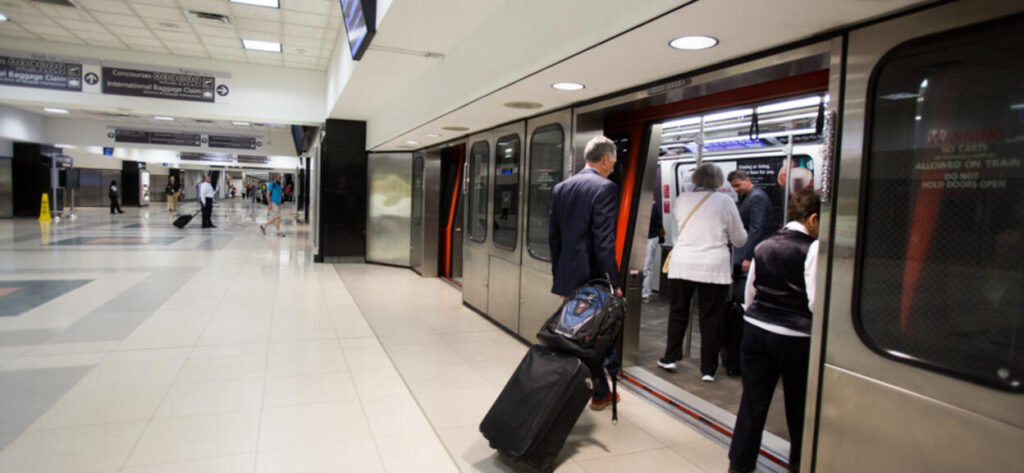
Running around the clock and every day of the year, the system transported a record 95 million passengers in 2025. Earlier this year, Alstom secured a new contract to continue to serve the system for at least another five years.
According to Alstom, the new cars are quieter, easier to maintain and more energy efficient than earlier models, and offer passengers improved lighting, updated video information screens, and advanced door safety systems with obstacle detection.
In tandem, Alstom completed key infrastructure upgrades to improve the system’s performance. A new turnback along the guideways lets trains switch direction without impeding the train behind it.
As a result, trains can safely run every 90 seconds during peak periods, compared to every 107 seconds as in the past.
Once the full fleet arrives, ATL will be able to operate as many as 15 trains at a time — up from 10 or 11 today — and transport more passengers per hour. Alstom also refurbished 13 guideway switches to increase their reliability.