


What a well-run airport can teach the world

Well-run airports make complex co-operation look ordinary. Economist, Abdeldjellil Bouzidi, explores what their everyday successes can teach businesses and public institutions about keeping a shared world working.
There is a café in Alicante that has no business being this clean. La Despensa Extremeña sits in Benalúa, a modest neighbourhood south of the city centre.
The coffee is strong and cheap. Then you use the bathroom. It is spotless. The tiles are old but scrubbed. The soap dispenser is full. The mirror is clear. Everything works.
In a small café, the person who notices a fault may also be the person who can arrange the repair.
An airport operates across a much greater distance: between departments, contracts, shifts and budgets. When care survives that distance, something remarkable has been organised.

A small, everyday object leads to a large institutional question: how do people who do not know one another keep a shared world working?
That question runs through The Airport Bathroom Test. The book follows it through banks, bridges, cockpits and governments, examining why strong systems break and what builders do differently. A well-run airport offers a place to study the conditions that allow them to hold together.
Thousands of people, most of whom will never meet, depend on others to keep promises. A working lock, a reliable departure screen, an accessible route: each is a small commitment delivered through an organisation the passenger cannot see.
Standards have survived a change of shift. Supplies have arrived. A fault has reached someone able to act. The result looks ordinary because the work has succeeded.
WHAT ORDINARY SUCCESS REQUIRES
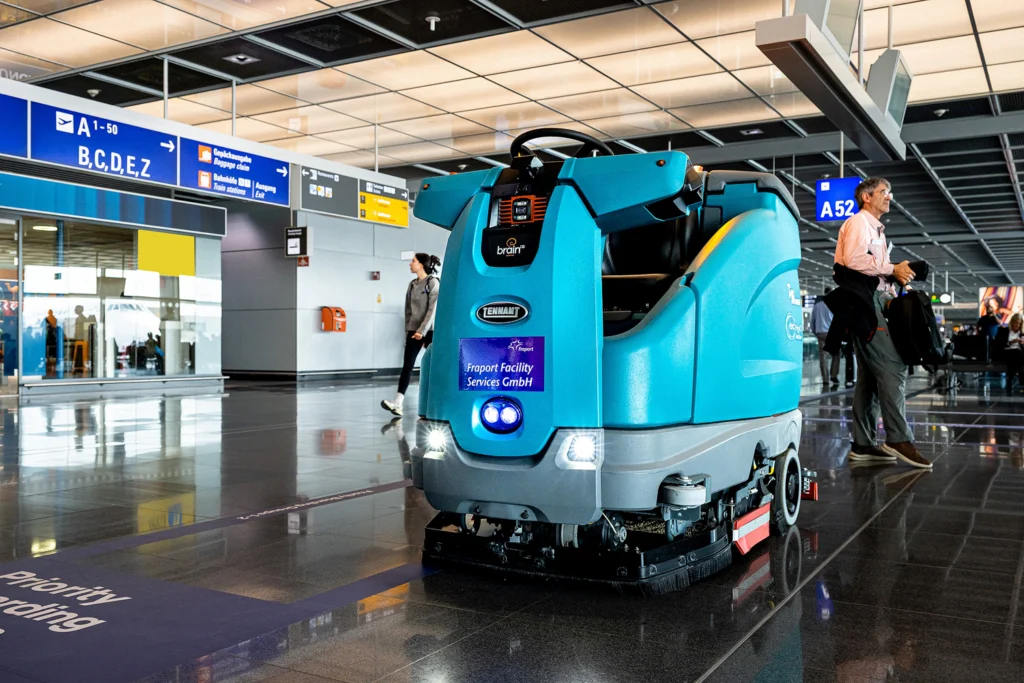
Airport World’s report on Queen Alia International Airport offers a concrete example. Its Smart Cleaning System links data to resource allocation, with a cleaning control centre inside the airport’s operations control centre.
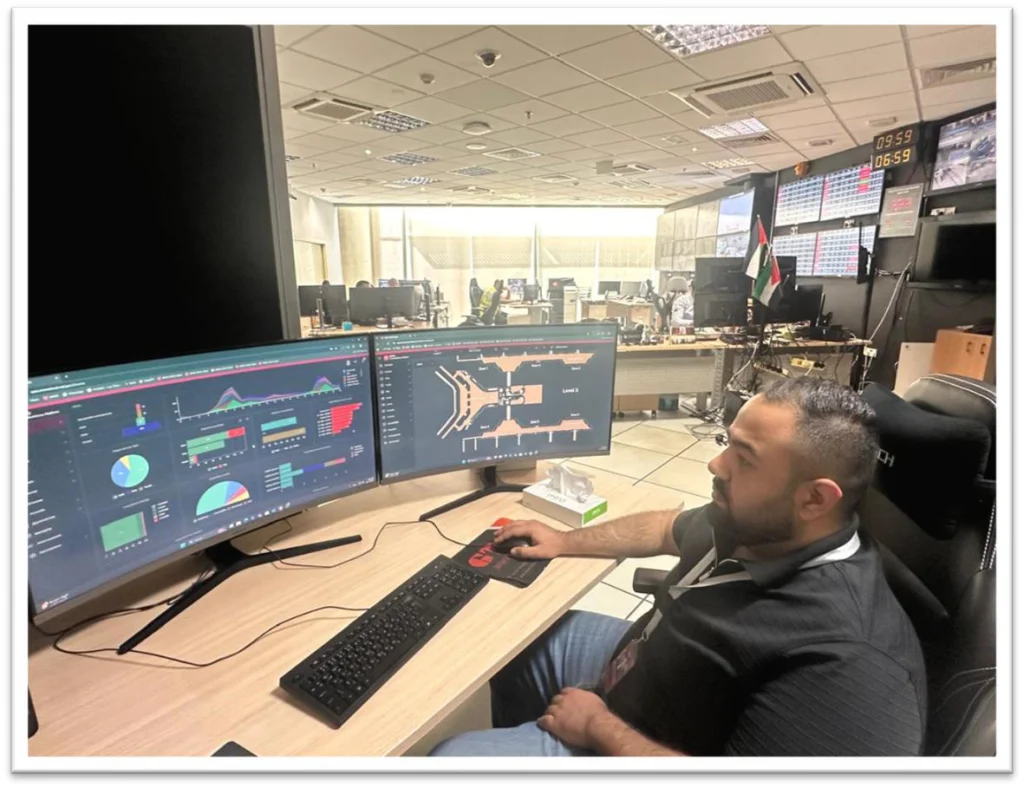
The report records an 80% decline in complaints about missing paper towels and soap. Passengers encounter the result as a dispenser that has what they need.
The report has also highlighted the difficulty of managing capacity dependent on multiple parties. That makes consistent performance especially instructive.
The cleaning contractor, maintenance team and operations staff may work to different contracts and schedules. The passenger experiences their combined result. Success requires those arrangements to meet at the point of use.
The book organises these conditions around time, trust and co-operation. Time means protecting the capacity to inspect, replenish and repair before the next wave of demand.
Trust means reliable signals: staff can report what is actually happening, and a completed task means what the record says it means. Co-operation means that people holding different pieces of the answer can act together.
The lesson travels. In a bank, the crucial interval may lie between a risk report and the decision to reduce an exposure. In government, it may lie between a reliable statistic and a change in policy. An airport that connects observation to action offers a practical example of the institutional capacity both require.
WHAT THE PASSENGER CANNOT SEE
Imagine the opposite: a tap repeatedly fails, a cleaner reports it, a technician attends, and the ticket closes. The following week, the same fault returns. The system has recorded activity. Has it achieved a repair?
Follow that report across the organisation. The cleaning contractor can replenish soap but cannot replace the sensor. Maintenance can diagnose the sensor but needs approval for a replacement.

Procurement manages the supplier agreement. Operations decides when the facility can close. Each team may fulfil its own obligations while the passenger continues waving wet hands under a silent tap.
Equipment fails even in excellent organisations. What distinguishes them is whether the failure changes what happens next. This is where an airport leader can learn something that a satisfaction average will conceal.
Who owns the outcome across those handovers? Who can authorise the work? If the fault returns, does its earlier history return with it, or does the organisation begin again with a fresh ticket?
There is a further test. Perhaps a cleaner keeps checking which basins still work, while another employee directs passengers elsewhere. Their ingenuity protects the service. It can also make the underlying defect easier to postpone.
A maintenance backlog can be larger than the list of broken assets suggests. Part of it may be carried in the working day of people who have learned to cope.

So ask whose time is paying for apparent continuity. Sustained excellence requires enough capacity for people to maintain the standard without exhausting themselves. This is a question for any institution that congratulates its employees on repeatedly rescuing the same process.
WHAT BUILDERS PROTECT
In the book, I call the two competing habits Sprinters and Builders. The Sprinter concentrates attention on the next visible achievement. The Builder protects the conditions that allow it to last.
A terminal opening attracts attention on a particular day. Keeping its facilities working requires decisions that survive thousands of ordinary days afterwards.
A maintenance budget is a cost to cut, or an investment to protect. A whistleblower is friction, or early warning. The objects do not change. Only the architecture of attention does.
For an airport leader, the exercise can begin with a service that consistently works. Trace the routines behind it: who notices, who acts, what time is protected, and how the next team receives what it needs. Make that achievement visible. Other institutions can then ask which of those arrangements their own services lack.
There is much to learn from a system that earns our confidence so quietly. The hidden architecture of civilisation becomes visible in a very ordinary act: a stranger washes their hands, trusting that people they will never meet have done their part.
• Abdeldjellil Bouzidi is an economist and the author of The Airport Bathroom Test. This article is adapted from the book, with additional material written for Airport World.