


Predictability is boring!

Share
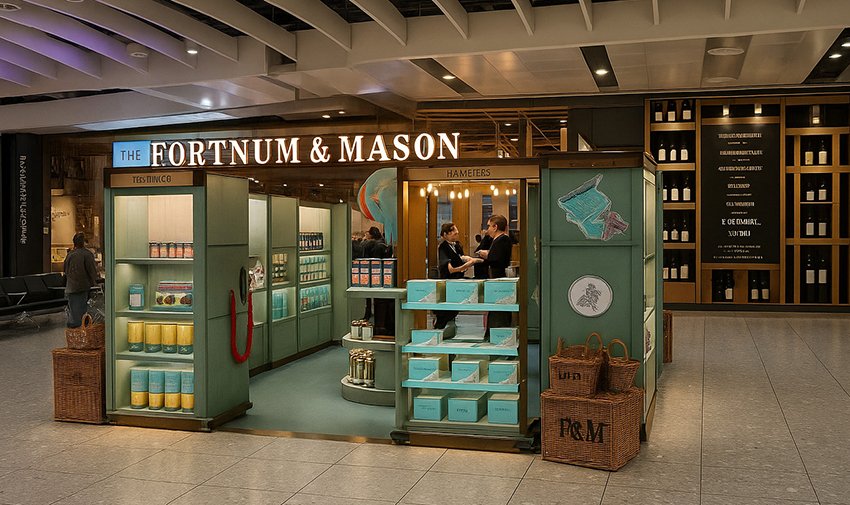
BDM’s David Cooke explains why he believes pop-up stores will have an important role to play in the reimagining of airport retail.
Airports are some of the most heavily foot-trafficked environments in the world. Yet, when it comes to retail, they often feel stuck in the past.
Walk through almost any major UK airport today and the experience is eerily familiar: the same brands, the same shopfronts, the same layout. It’s predictable. And in the ever-evolving world of consumer expectations, predictability rarely drives growth.
Having spent over two decades shaping high-performance commercial spaces, I’ve come to a simple conclusion: airports are missing a trick.
Airport terminals aren’t just transit hubs, they are high-potential commercial real estate with a captive, time-rich audience.
So why are we still designing them around long leases and rigid layouts that have barely evolved in years? This is clearly static retail in a dynamic and spirited environment.
The infrastructure for change already exists. I’ve worked on airport projects where the architectural bones support flexible, short-term usage – yet it is underutilised.
Reasons for this include compliance hurdles, design conservatism, and fear of operational disruption. But the opportunity cost is enormous.
One of the simplest ways to inject life, flexibility and commercial agility into these spaces is through pop-up retail because these outlets are:
- Quick to deploy
- Relatively low risk
- Highly visible
- Custom-designed to drive impact and ROI in compressed timeframes
BDM have been the digital twin go-to experts for several luxury brands over the years such as Mulberry, Cartier, Harrods and Dior.
We’ve provided the infrastructure for pop-ups at Heathrow Airport, providing the power, data, and services provision for them, and we designed the pop-up for the airport’s Terminal 3 Reserve & Collect service.
The latter pop-up was part of Heathrow’s online shopping platform, which was operational in a matter of days. The result? Performance that exceeded expectations, both in brand awareness and sales per square foot.
ASIAD (Aviation Security in Airport Development) is the UK counter-terrorism programme that mandates specific design elements to protect airports from terrorist attacks – meaning the bar for safety and preparedness at airports is high, and rightly so. Much of an airport’s retail space is airside, located beyond security screening, so staff and departing passengers are considered lower risk.
In contrast, shopping centres are open access by nature, meaning the public can enter without any screening. This makes them inherently higher risk, as individuals could potentially carry weapons or hazardous materials into densely populated areas.
While some may see this as limiting agile or short-term retail formats, ASIAD shares key principles with Martyn’s Law: embedding security in design, taking a risk-based approach, ensuring operational preparedness, and maintaining compliance.
High-footfall, publicly accessible airports are directly relevant to these guidelines, and as a result all of our staff, and staff and contractors requiring airside access, are trained in GSAT (General Security Awareness Training).
To those who say this stunts their ability to implement more creative or short-term offerings, I offer these answers.
1. COMPLIANCE COMPLEXITY
ASIAD requires airport developments, including retail spaces, to follow stringent security and risk-based design principles. This naturally adds layers of complexity and cost and can limit design flexibility.
Solution: Adopt a proactive, compliance-first approach. By integrating security infrastructure and procedural planning from the concept stage, you will avoid mid-project disruptions.
For example, when designing flexible retail units, you must model different layouts against ASIAD compliance checklists, ensuring they can adapt without breaching regulations.
While this may increase initial costs, it prevents expensive redesigns or retrofits later, balancing compliance with creative freedom.
2. DESIGN CONSTRAINTS VS BRAND IDENTITY
Security and operational constraints in airports can clash with a retailer’s need for brand expression and immersive experience, especially in short-term activations where every second and square metre matters.
Airport pop-up design must balance safety, accessibility, and visibility. Compliance with the Fire Safety Act 2021 and management of combustible loads is essential. Structures must withstand crowd forces while maintaining clear accessibility and avoiding pinch points.
Pop-ups should also preserve sightlines, ensuring signage, permanent facilities, and shop fronts remain visible.
Solution: Good design reconciles tension. It is essential to work closely with both landlords and brands to build modular systems that respect airport constraints while maximising creative impact.
For pop-ups, this could mean lightweight, rapidly deployable units with built-in digital storytelling, adaptable to various terminal zones without invasive installation.
Early alignment with stakeholders like airport security and FM teams is also vital, ensuring everyone is on board, not just at sign-off, but from inception.
3. LANDLORD RISK AVERSION
Many airport landlords resist short-term leasing models due to fear of operational disruption, inconsistent revenue, and lack of tenant familiarity with airport protocols.
Solution: Mitigate risk by offering turnkey solutions: a fully packaged approach that includes design, compliance, fit-out, and operational handover.
When landlords know the pop-up won’t interfere with terminal flow or security, and that the build team understands airport-specific restrictions – in turn, confidence increases. Further, you must benchmark success with data from previous installations.
In the Bulgari project at Heathrow, we optimised the pop-up space, applying the design considerations necessary.
This included expanding the types of units that could safely use the area, from low-risk offerings to medium-risk categories such as food and beverage, perfumes, and other combustible materials, turning what initially seemed restrictive into a proven, profitable model within a limited timeframe.
TIME FOR A MORE FLEXIBLE RETAIL MODEL?
The traditional model of locking in familiar brands on five-to-ten year leases may feel safe, but don’t provide the flexibility airports need to compete with high streets, e-commerce, and travel apps for every traveller’s attention and spend.
Short-term, flexible formats offer a rotating, dynamic retail experience that keeps passengers engage, opportunities for smaller brands to enter premium real estate and the ability to test concepts rapidly, without long-term commitments.
Retail thrives on discovery and novelty, and these are two qualities that, in my opinion, are sorely lacking in today’s terminal experience.
The airport of tomorrow isn’t just a space of transit; it’s a space of experience. It should surprise, entertain, and convert – and its retail environments within it must do the same.
I’m passionate about making retail work harder and smarter, even in the most constrained environments. With the right foresight, strategic design, and stakeholder collaboration, airports can become adaptive ecosystems, and not static shopping centres.
We have the tools. We have the knowledge. We have the data. Now it’s time to rethink the possibilities.
About the author
David Cooke is founder of Building Design and Management (BDM) and an expert in design, retail, and design management, ensuring projects align with goals and enhance customer experiences.


