

The UK Government’s recent Aviation Bill vowed to improve access to air travel for disabled people. While this is a welcome step, accessibility shouldn’t end with ensuring someone can physically get from check-in to their gate.
The accessible tourism market represents more than two billion potential travellers, while an estimated 15-20% of the global population is neurodivergent.
Add older passengers and families with young children, and a significant proportion of travellers experience airports differently from the passengers they were designed around.
Yet too often, these travellers are accommodated rather than included. In the UK, 42% of people with accessibility needs or a family member with them said they had avoided travelling abroad in the previous year because of accessibility concerns.
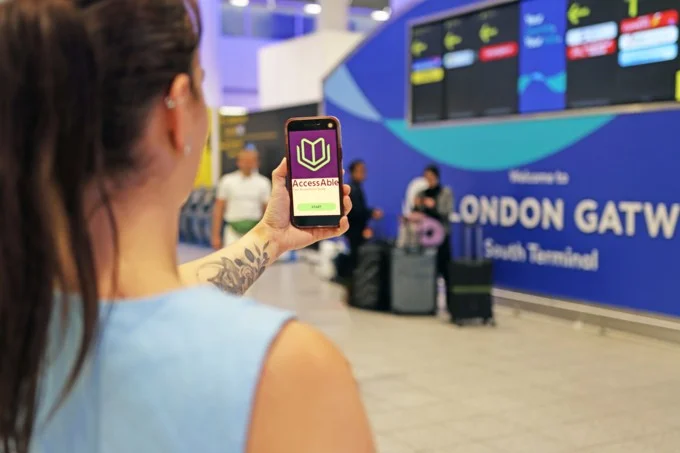
Even when facilities successfully get someone from A to B, they may never have the same opportunity to browse, eat or simply relax before their flight.
That isn’t just an inclusion problem; it’s a missed commercial opportunity. For many passengers, the airport is the beginning of their holiday, and making that experience enjoyable for more people can increase dwell time and spending, as well as loyalty.
BRING THE EXPERIENCE TO THE PASSENGER
Airport retail has traditionally been designed around the assumption that passengers will move through a particular sequence of spaces. You pass security, walk through duty free and choose whether to browse, eat or drink on the way to your gate.
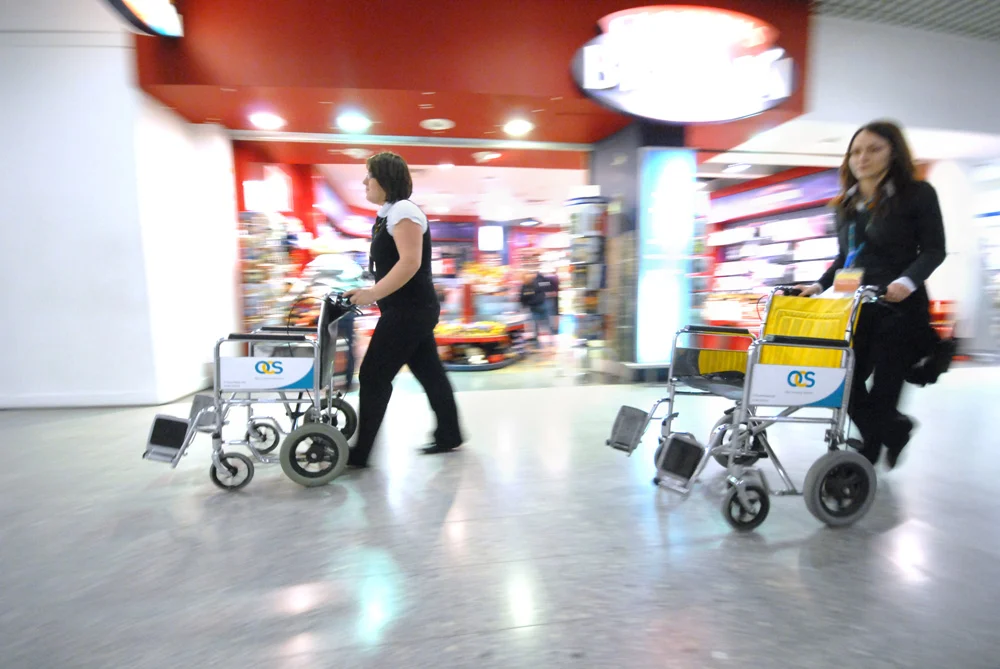
An older passenger or someone with limited mobility may be escorted directly to the gate. Someone using a wheelchair may not want to navigate a crowded store. Parents travelling with small children may prioritise finding somewhere to sit over exploring the retail offer.

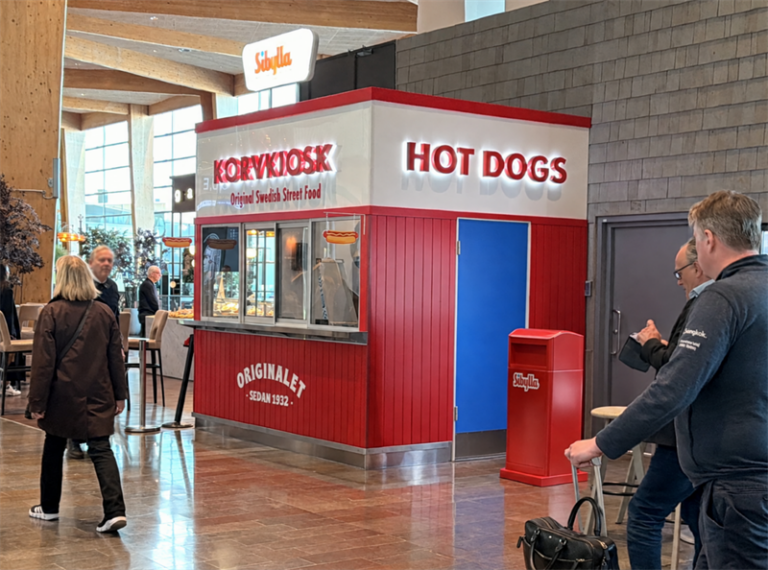
Airports should think more creatively about how retail and food can meet passengers where they are. That could mean smaller modular kiosks along accessible routes, grab-and-go offers or mobile pop-ups at gates. Passengers could also order food or duty-free products from their seat and have purchases brought to them.
Some gateways, such as Dubai International Airport (DXB), are already experimenting with this model.
While at Rome Fiumicino, passengers in Terminal 1 can order food, drinks and products from participating retailers and have them delivered directly to their gate by autonomous robots. If a passenger has already flagged that they require assistance, an airport app could offer food delivery to their gate or help with shopping.
Because why shouldn’t an older passenger being assisted through an airport be able to buy a bottle of whisky for their holiday simply because they don’t want to carry it through the terminal? A personal shopping or delivery service creates a better experience for that passenger while opening a sale that otherwise might never happen.

GIVE PASSENGERS A CHOICE OF ENVIRONMENTS
Physical accessibility is only one part of inclusion. Airports can be intensely stimulating environments, full of noise, crowds, advertising, announcements and increasingly enormous digital screens.
For some neurodivergent passengers, that can be overwhelming. But they aren’t alone in wanting a calmer experience. A parent with an exhausted child or someone simply nervous about flying might appreciate it too.
Istanbul Airport recently impressed me because, despite its enormous scale, it feels spacious and considered in how digital screens are positioned rather than simply filling every available surface with content.
It has also introduced quiet spaces for passengers sensitive to noise and crowds, alongside services designed for people with visible and non-visible disabilities.

Across the Middle East, higher staffing levels and heavy investment in immersive experiences, particularly around luxury retail, show what is possible. That same ambition should extend to considering who might find these environments overwhelming and what alternatives we can offer them.
That doesn’t mean stripping airports of energy or excitement. It means offering choice: quieter areas, less visual clutter, considered lighting, natural daylight and greenery alongside more immersive environments.
Airport food has already moved in this direction. We no longer assume every passenger wants fast food; operators increasingly provide different cuisines, healthier choices and offers for different dietary needs. We should apply the same thinking to the spaces around them.
BUILD INCLUSION INTO THE COMMERCIAL MODEL
The biggest obstacle is that inclusion is still too often approached as ticking a box for the mandatory accessibility requirements and moving on.
Going further requires investment: personal shopping needs staff, technology requires outlay, gate delivery creates logistical challenges and redistributing retail may require changes to operations and masterplanning.
But these services can enable a significant group of passengers to participate more fully in the airport economy.

When airports tender for operators to manage retail or food and beverage across a terminal, inclusion and wellbeing should be part of the brief. Ask bidders how they will serve passengers with different mobility and sensory needs.
Ask how those passengers will access the commercial offer, and how the proposed solution can be made commercially viable.
Most importantly, talk to those passengers. Understand where the existing experience excludes them, what they actually want and what would make them more likely to browse, eat, sit or spend. Those insights should determine the solution and then be embedded into the design brief.
Somebody has to lead this shift. The airports and operators that do won’t simply create more accessible terminals. They will turn passengers who have traditionally been moved efficiently from A to B into people who can participate in everything an airport has to offer.
The goal should be to move beyond access towards genuine inclusion, giving more passengers the opportunity to enjoy – and participate in – everything an airport has to offer.
ABOUT THE AUTHOR
Queenie Lo is president of spatial design at FutureBrand.