



High values

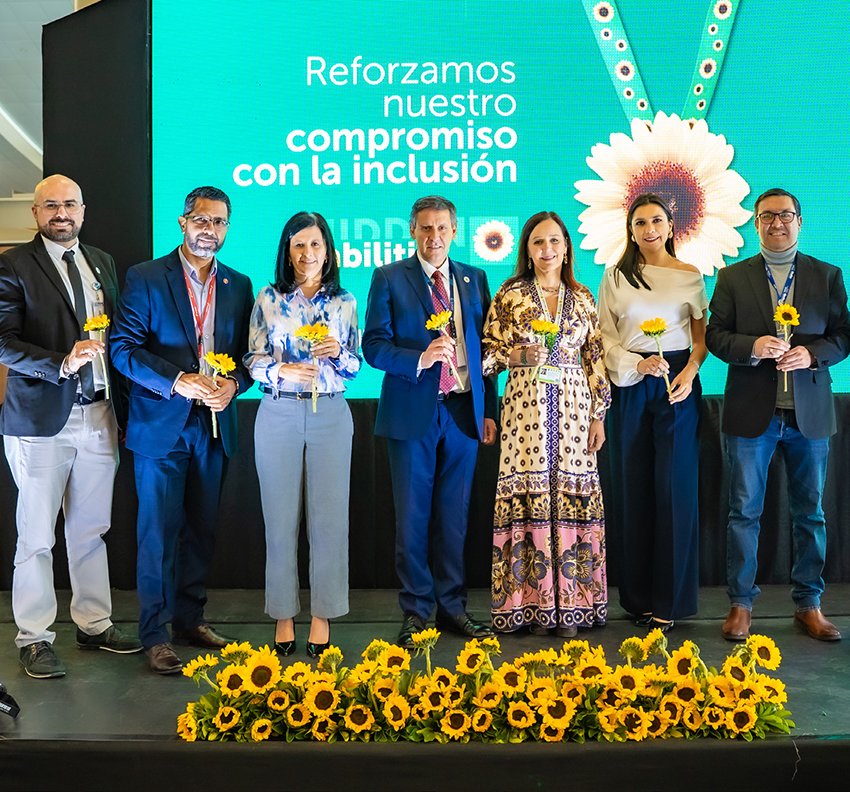
Embracing sunflower lanyards for passengers with hidden disabilities and a new look Arrivals area provide examples of how high Quito International Airport values good customer service.
Quito’s Mariscal Sucre International Airport has become one of the latest gateways to embrace the Hidden Disabilities Sunflower.
The initiative is aimed at improving accessibility and travel experience for people with non-visible disabilities such as autism, anxiety, epilepsy, fibromyalgia, diabetes, among others.
Airport operator, Quiport, notes that the programme is important in dynamic environments like airports, where people with non-visible disabilities may have special needs that are not always obvious to those providing passenger assistance.
Ramón Miró, president and CEO of Quiport, enthuses: “One of the greatest satisfactions I take from implementing the Hidden Disabilities Sunflower programme is witnessing that the entire airport community is genuinely committed to learning how to effectively engage with individuals with hidden disabilities.
“We believe that true excellence in service is rooted in empathy. We are proud to have a team that is incentivised and trained to provide real support to those living with non-visible conditions. This programme not only transforms the way we serve but also the way we understand inclusion.”
At Quito airport, individuals who may need assistance can request a sunflower lanyard, which is available at the information desk in the departures area.
The lanyard is provided free of charge and without the need to present medical documentation. Recognised across the globe, the discreet sunflower symbol signals to airport staff that the wearer may require more time, detailed explanations, or simply more empathetic treatment.
While it does not grant benefits such as priority lines nor exempts passengers from going through all processes and controls, it facilitates more conscious and adapted service to the passenger’s needs.
Quiport admits that the implementation of the programme has only been possible because of the collective buy-in of the airport community, which it says recognise that enhancing customer service and improving the passenger experience is a shared responsibility of all employees.
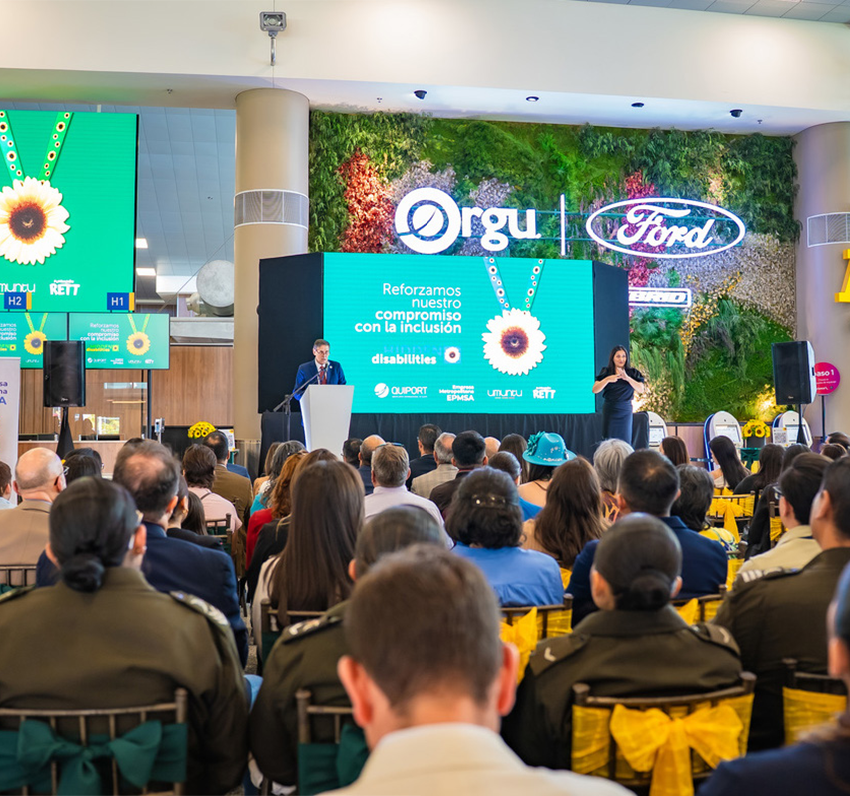
This commitment, notes Quiport, extended to over 900 staff from 15 different companies across the airport, including representatives from the airlines, security, immigration and commercial tenants who agreed to undergo training to learn more about the programme and its benefits for passengers with hidden disabilities.
And as part of its development at Quito airport, a tour of the facilities was carried out with people with different disabilities, in collaboration with the Rett Ecuador Foundation, to identify possible opportunities for improvement in signage, infrastructure, and customer service.
“The participation of people with disabilities in all spaces is key to guaranteeing their rights. We applaud and congratulate this initiative, which marks an important step toward more conscious, empathetic, and accessible care,” notes Isabel Maldonado, executive director of the Rett Foundation.
Input was also incorporated from the initiatives of the Metropolitan Public Airport Services Company (EPMSA), which had been working on care protocols for people with autism at security checkpoints.
Flavia Callafange, regional director for Latin America of Hidden Disabilities (Sunflower), says: “We are very happy that Quito Airport has joined this important initiative. This is a significant step towards a more inclusive city and country. I appreciate Quiport’s continued commitment and collaboration to this project.”
And the incorporation of the sunflower programme is not an isolated achievement at Quito airport as the terminal has previously been recognised with the Progressive Inclusive Seal from the Municipality of Quito and is the first in Ecuador to obtain Level 1 Accessibility Accreditation for Airports (AEA), granted by ACI World.
NEW ARRIVALS AREA
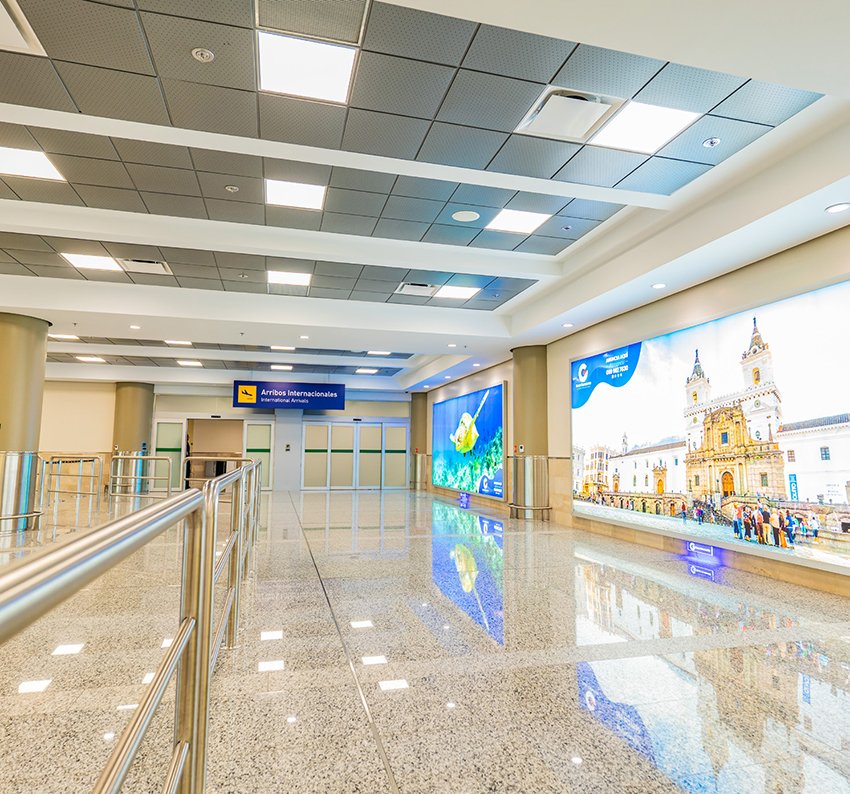
Earlier this year, Mariscal Sucre International Airport unveiled its new and improved International Arrivals area as part of a $74.2 million upgrade.
The newly opened area is 3,500 square metres bigger than before providing much needed extra space that operator, Corporación Quiport, says allowed it to “optimise the arrival process for international passengers”.
In effect this means that the customs area, X-ray screening, and public Arrivals hall have been expanded to make the entry process more comfortable, faster, and more efficient.
In addition to the new Arrivals area, the upgrade has already added a new boarding bridge and an extra 35,000sqm of apron for parking aircraft up to the size of the B777, B787 and A330.
The airport notes that “advanced electrical systems” have been installed as part of the upgrade, including a main generator, over 3,000 metres of fibre optics, and 16 communication rooms.
A new baggage handling system and technical systems such as HVAC and fire protection networks are said to be progressing rapidly ahead of the opening of a new Departures Hall with 20 check-in desks for international airlines and a new 1,800sqm boarding lounge.
Quiport believes that the investment in new facilities reaffirms its commitment to the development of Quito Airport, ultimately “offering greater capacity, improved services and more spacious areas for passengers”.
Speaking at the time, Quiport’s Miró said: “This expansion is not just an investment in infrastructure – it is a commitment to the future of Ecuador’s connectivity.
“We want every passenger arriving or departing from the country to enjoy a smooth, comfortable, and safe experience, and to leave with a good impression.”