




Industry coalition calls for ‘Digital Omnibus’ to enhance biometric journeys

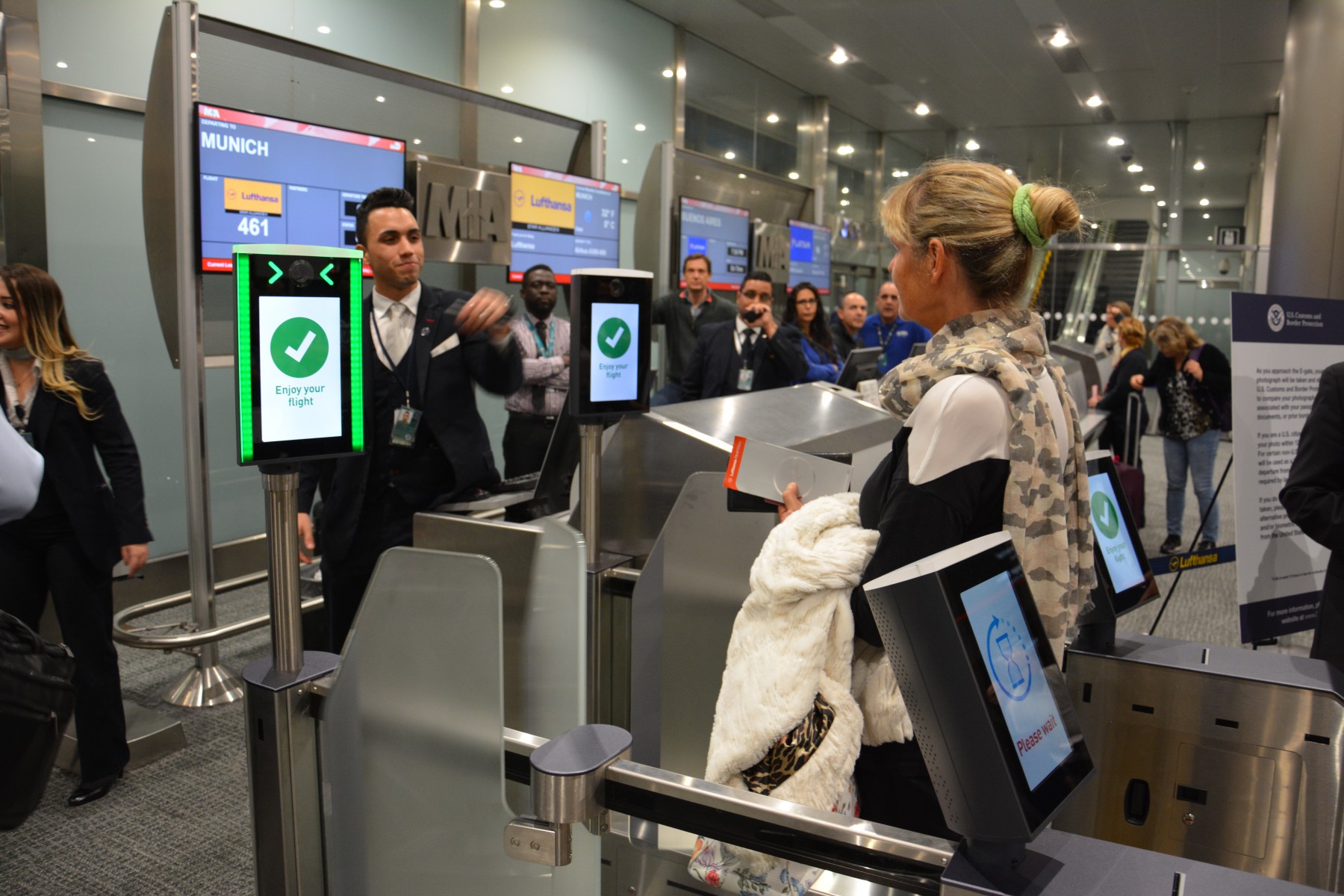
ACI EUROPE, Amadeus, IATA, IDEMIA Public Security and SITA today announced the formation of the Responsible Biometrics Travel Industry Coalition, calling on EU policymakers to ensure the Digital Omnibus actively supports the voluntary and secure use of biometrics in travel while protecting passenger choice and privacy.
The aim is to ensure the Digital Omnibus supports a tech neutral, balanced regulatory approach to biometrics, with the aim of changing laws around how biometrics are used, all the while protecting privacy of individuals.
Current biometric practices only support 1:1 matching, but the industry would like to expand its use for things like matching against a whole flight manifest. This would, in theory, make the experience of travel much smoother.
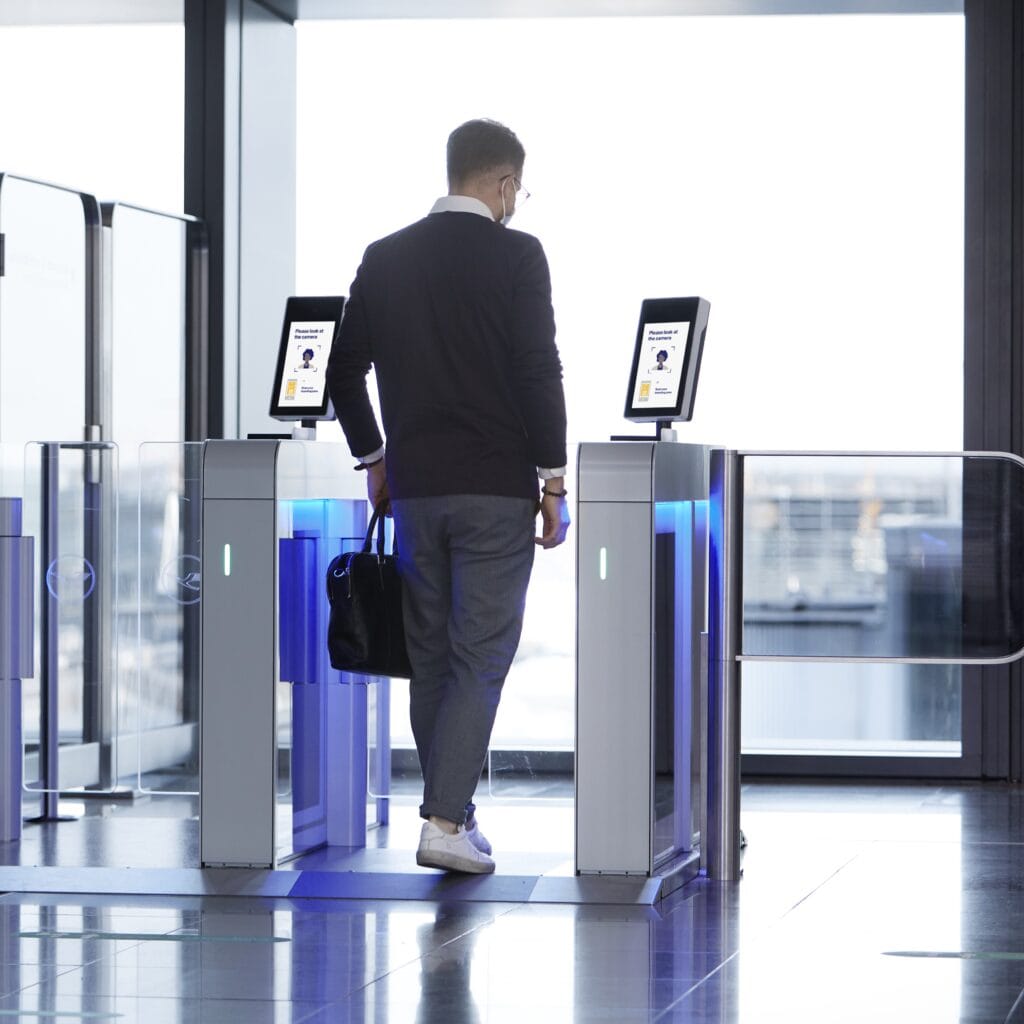
They claim that Digital Omnibus is intended to simplify Europe’s digital rulebook, support innovation and strengthen competitiveness.
It also preserves high standards of data protection and cybersecurity. Yet the legislative proposal could place unintended restrictions on the voluntary use of biometrics by passengers across Europe.
The coalition is urging policymakers to ensure the Digital Omnibus preserves passenger choice and allows citizens to benefit from the opportunities that biometrics can offer.
WHY BIOMETRICS MATTER
Biometrics make travel more seamless for passengers and deliver significant operational benefits for airports and airlines. By reducing repeated manual document checks, biometric verification increases throughput, improves passenger flows and helps airports use existing terminal infrastructure more efficiently.
It also helps airports better manage peak periods and traffic growth, allowing staff to focus on passengers who need assistance or additional attention.
Combined, these benefits boost Europe’s competitiveness by promoting efficient, well-connected airports and innovation across the travel and technology sectors.
A clear regulatory framework, the coalition claim, can encourage continued investment and enable European technology companies to innovate and scale trusted solutions in their home market.
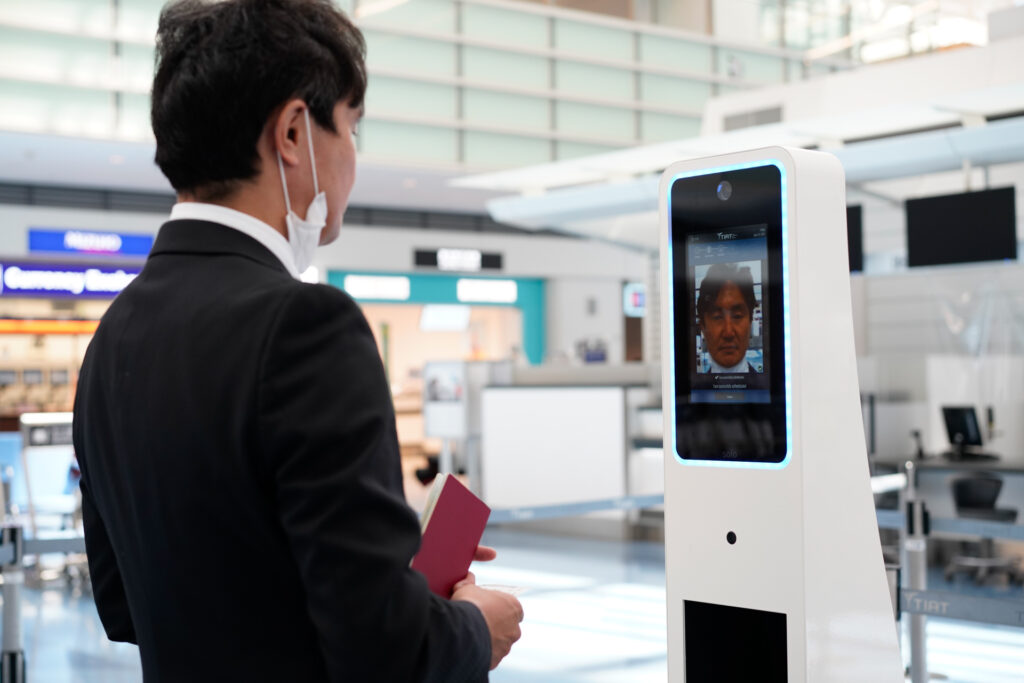
To unlock the full potential of biometrics in European air travel, the coalition calls for the Digital Omnibus to adopt technology-neutral rules that allow the voluntary use of biometric data (where appropriate safeguards are in place) and offer passengers non-biometric alternatives.
PROTECTING PRIVACY AND PASSENGER CHOICE
The coalition firmly believes the benefits of biometrics should go hand in hand with strong protections for passenger privacy and passengers’ ability to choose whether to share or request to delete their data at any time. The use of biometric solutions should be voluntary, secure and limited to a defined journey.
Research cited by the coalition found that 74% of travellers surveyed were willing to share biometric data in place of showing a passport or boarding pass, according to IATA’s Global Passenger Survey.
The coalition states: “EU policymakers have the opportunity to put Europe in the global lead on biometric regulation. The benefits of the latest technologies are clear: they can protect passenger data privacy and open a more seamless and efficient travel process. This will enhance the region’s overall competitiveness.
“At the same time, biometric journeys should always be based on passenger choice and voluntary participation. Today we are publishing a manifesto that cements industry commitments to responsible use of biometrics and sets out a regulatory call for action to adopt rules that facilitate a secure and seamless future for more than a billion European air travellers each year.”