




New Smart Airside Safety System at Bengaluru Kempegowda

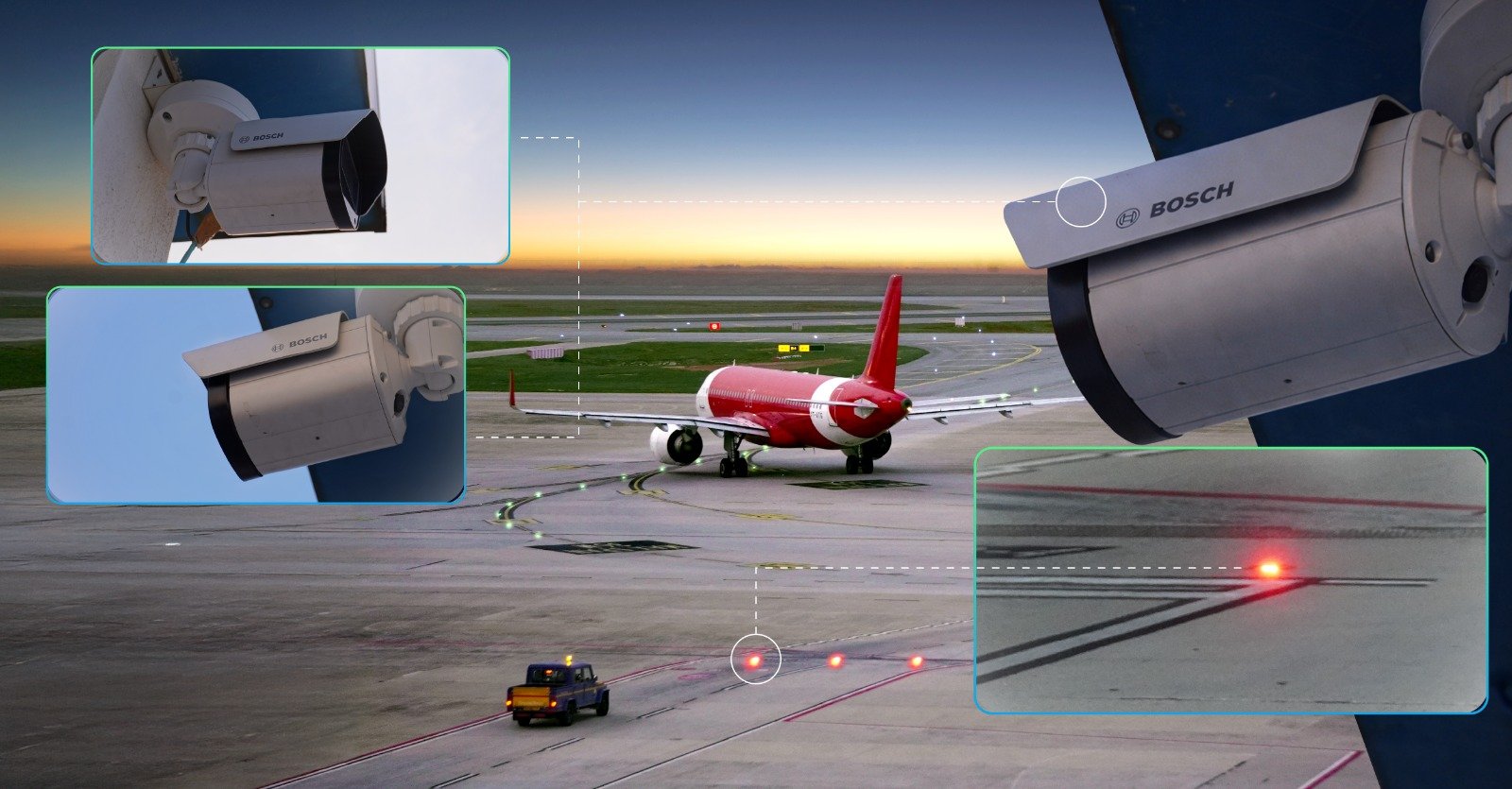
Operator BIAL has introduced an integrated Smart Airside Safety System at Bengaluru’s Kempegowda International Airport, marking a significant step forward in strengthening operational safety and control across critical airside zones.
Designed to enhance safety at Cross Service Roads (CSRs), where aircraft and ground vehicle movements intersect, the system brings together AI‑based computer vision, intelligent automation and centralised control to support safe right-of-way management, improve operational efficiency and enable greater precision in airside operations.
Cross Service Roads are among the most sensitive areas within airport operations, requiring precise and seamless coordination between aircraft and ground vehicles.
Traditionally, right of way protection at these intersections relied on manual or semi manual inset light activation, creating dependencies on human intervention, increasing the risk of delays and limiting operational visibility.
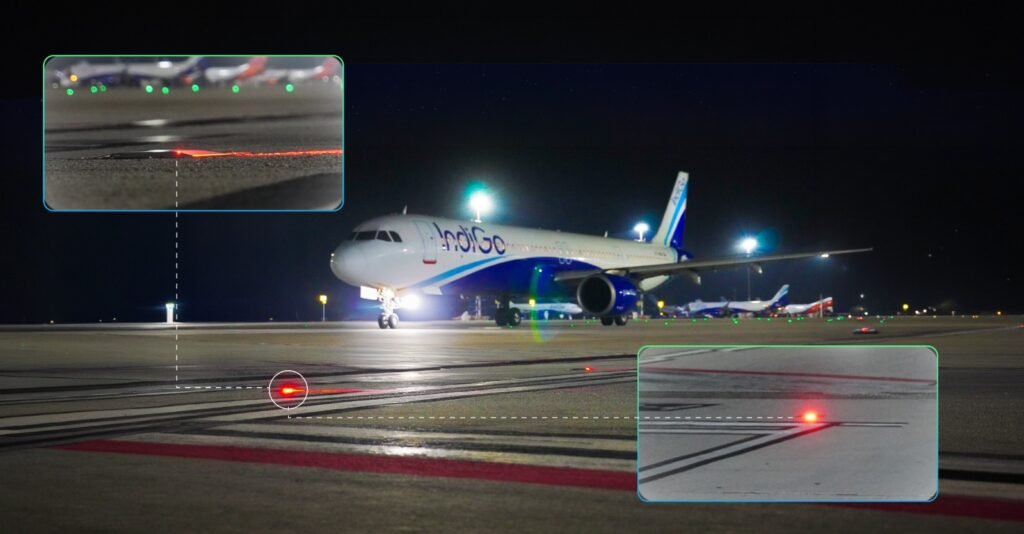
To address these challenges, the system uses a real‑time situational intelligence framework that combines computer‑vision‑based detection of vehicle movement, contextual risk assessment, and automated signalling into a unified operating model.
AI‑enabled cameras interpret activity at CSR intersections, identify potential right‑of‑way conflicts, detect non‑compliant movements, and validate zone clearance in real time.
Based on these detections, the system triggers automated inset light activation to protect aircraft right‑of‑way and restores normal signalling once the intersection is confirmed clear. A centralised monitoring and analytics platform digitally logs all events, strengthening governance, compliance, and operational control.
“By embedding technology into operations, the system creates a data-driven separation layer between aircraft and ground vehicles, significantly reducing human error, especially during night and low-visibility conditions,” says BIAL.
“Precision-led signal activation improves traffic flow, minimises unnecessary stoppage and enhances turnaround efficiency. It also establishes a scalable foundation for predictive safety analytics, enabling trend analysis, peak-hour optimisation, compliance mapping and risk forecasting to support continuous improvement and stronger airside governance.
“This initiative further strengthens BIAL’s commitment to leveraging advanced technology to enhance safety, drive operational excellence and shape the future of next-generation airport operations.”