


Airport expansion: All options on the table

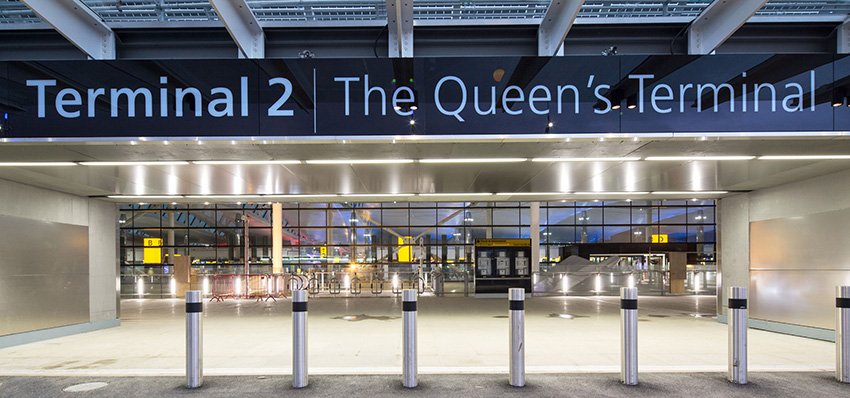
Arup’s aviation business leader for EIMEA, Alan Newbold, considers how the industry is rethinking airport expansion, and that raising capacity goes beyond the physical.
Airports across the UK, Europe, and the US are actively investing to increase capacity as the aviation industry enters a transformative era, with global air traffic expected to double by 2045.
These hubs play a vital role in global aviation by enhancing connectivity, streamlining airline operations, and supporting economic growth. Yet for many operators, expansion is not a blank-sheet exercise. It must take place within some of the most operationally constrained environments in global infrastructure.
The challenge is not simply to build more. Airports must increase capacity while maintaining passenger throughput and preserving the experience travellers now expect.
Many major airports are expanding while fully operational. Terminals are being upgraded, security processes modernised, and airfields reconfigured, all while flights continue to depart every few minutes. In these environments, growth and operational performance cannot be treated as separate conversations.
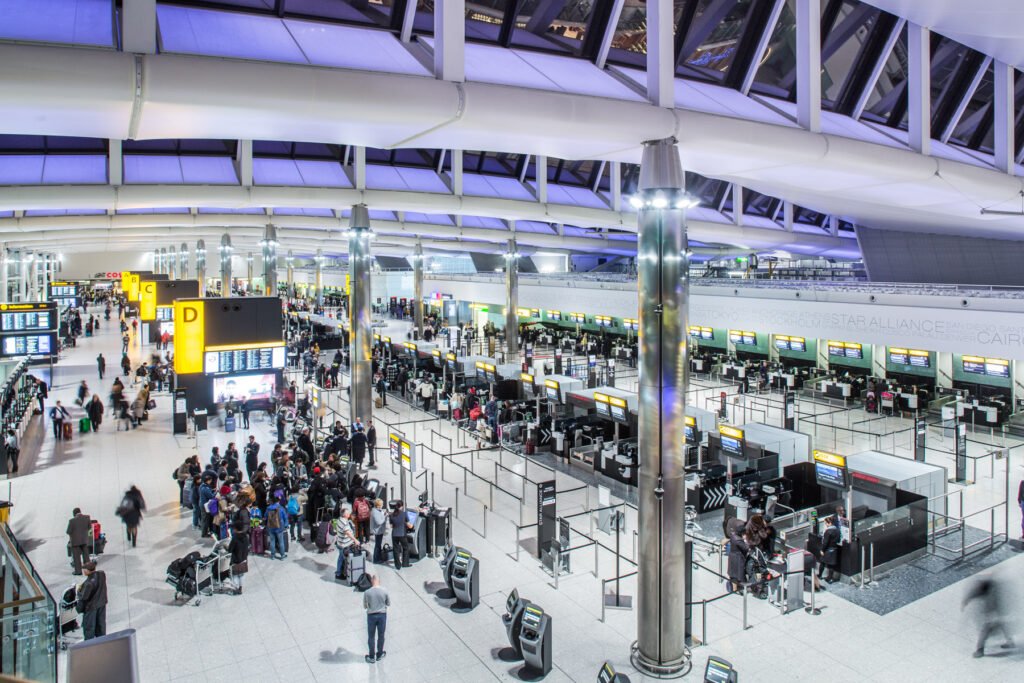
During the delivery of Heathrow Airport’s Terminal 2, Arup’s transformation programme demonstrated that operational readiness is as critical as physical construction.
Co-ordinating stakeholders, delivering over 175 operational trials, including simulations with thousands of participants, and training tens of thousands of terminal staff in new procedures ensured systems functioned effectively from day one.
The Queen’s Terminal set new standards for airport design and operational planning. As designers for the passenger experience and baggage programmes, Arup ensured each intervention responded to Heathrow’s evolving needs and wider vision.
This included developing a digital operations blueprint for baggage handling. By mapping end-to-end process flows and integrating technology, the team helped create a more efficient, seamless baggage experience.
With Heathrow currently operating at capacity, small efficiencies can have a significant impact. Using advanced simulation, Arup developed digital airfield models to improve performance and resilience. Analysis of an enhanced airfield layout showed it could save an average of 30 seconds per departure, reducing taxi time by around 2,000 hours annually.
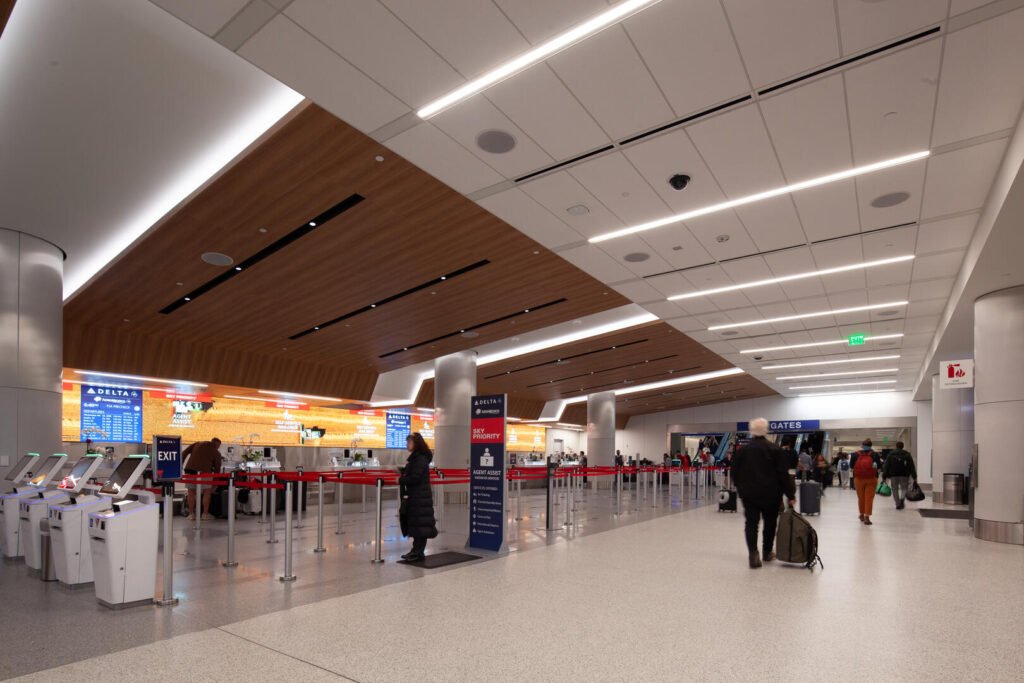
At Los Angeles International Airport, the Delta Sky Way project demonstrates how operational strategy and design can work hand in hand. Arup led the design for the consolidation and modernisation of Terminals 2 and 3, improving passenger experience and airline operations.
Delta Airlines first needed to move their base of operations from Terminals 5 and 6 before construction could begin. A complex relocation of operations, completed in just three nights, enabled the move to be completed without disruption.
Beyond upgrading terminal and airfield infrastructure, operators must also plan for the passenger experience, ensuring journeys through the airport remain seamless even as capacity grows.
As one of the largest infrastructure projects ever undertaken at Luton Airport in the UK, the DART light rail link was designed not only to improve connectivity between rail and the terminal, but also to support the airport’s long-term growth.
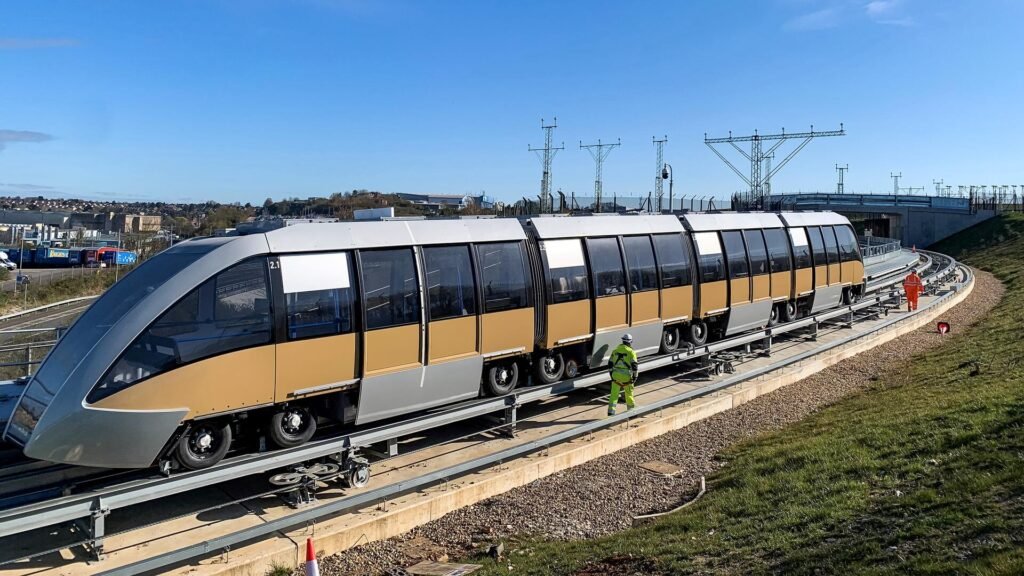
Arup considered the airport’s evolving requirements over the life of the asset, including expansion, increased train frequency, additional passenger facilities and operational readiness, supporting scalable capacity growth without requiring major future intervention.
Carriages can be added to the DART as passenger numbers increase, with platforms designed to facilitate longer trains and minimise the need for future disruption.
The scheme comprises two stations, a viaduct, a landmark bridge and a ‘cut-and-cover’ tunnel beneath a live taxiway. The Arup team aimed to create a sense of place for passengers, with intuitive and easy-to-navigate spaces.
DART Parkway and Central Terminal stations are characterised by a simple and functional style that deliver a consistent, high quality and unified experience from start to finish.
Optimising existing processes can also deliver significant capacity gains. At Dublin Airport, a user-centred approach to terminal design and ongoing modernisation of security and processing systems has improved efficiency and passenger flow, while maintaining flexibility for future demand.
At Birmingham Airport in the UK, master planning, from runway developments to baggage studies, is strengthening operational resilience while supporting future investment and passenger growth.
Security processes, baggage systems, airfield movements, and passenger flows are interdependent. Expanding one element without understanding the others can create bottlenecks.
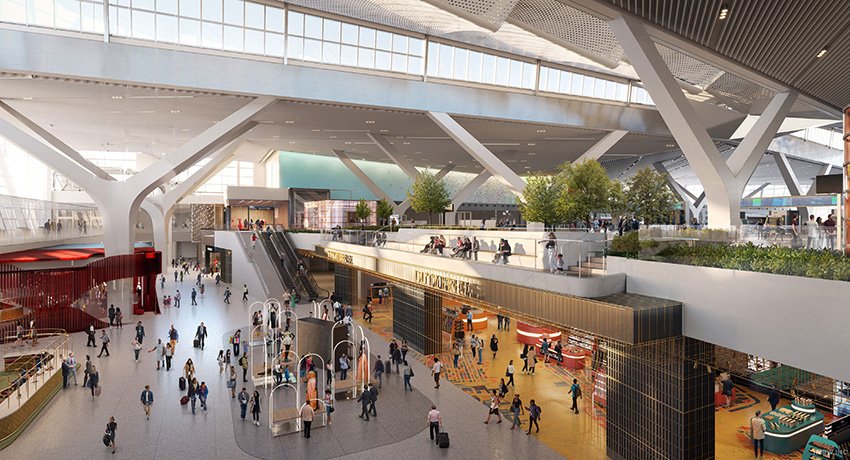
Increasingly, airports are looking beyond the visible passenger journey, rethinking logistics, security, and back of house operations to improve efficiency.
These examples reflect a broader industry shift. Capacity is no longer defined purely by physical space. It is defined by how intelligently that space is used. This shift is also shaping how passenger experience is designed.
At JFK Terminal 1, Arup collaborated with the JFK airport team and leading creative professionals to develop art, branding, film, and digital media collectively to enhance the passenger experience in the 2.6 million-square-foot terminal.
Rather than treating the elements as separate steps, the project integrated them to reflect the energy and character of New York City, creating a passenger experience within the terminal that encourages travellers to arrive early and enjoy the amenities as they prepare for long flights.
By embedding cultural experience into the core of the terminal design, the project demonstrates how passenger-focused strategies can support growth in international travel while creating a distinctive sense of place.
The industry often frames expansion as a balance between growth and experience, but in reality, the two are inseparable. Poor passenger experience is frequently the symptom of operational friction. Conversely, well-optimised systems create smoother journeys, even in high-demand environments.
As global traffic increases, airports face a simple truth, building more is the visible part of expansion, but operational strategy determines whether that investment succeeds.
Capacity growth without operational readiness creates congestion. Capacity growth with integrated planning creates resilience.
Airports that recognise this distinction will be best placed to expand without compromising the journeys they are there to serve.