

We provide a snapshot of the latest news stories from companies that support the growth and development of the world’s airports.
SEA-TAC ADVANCES EVOLUTION PROJECT FOR S CONCOURSE
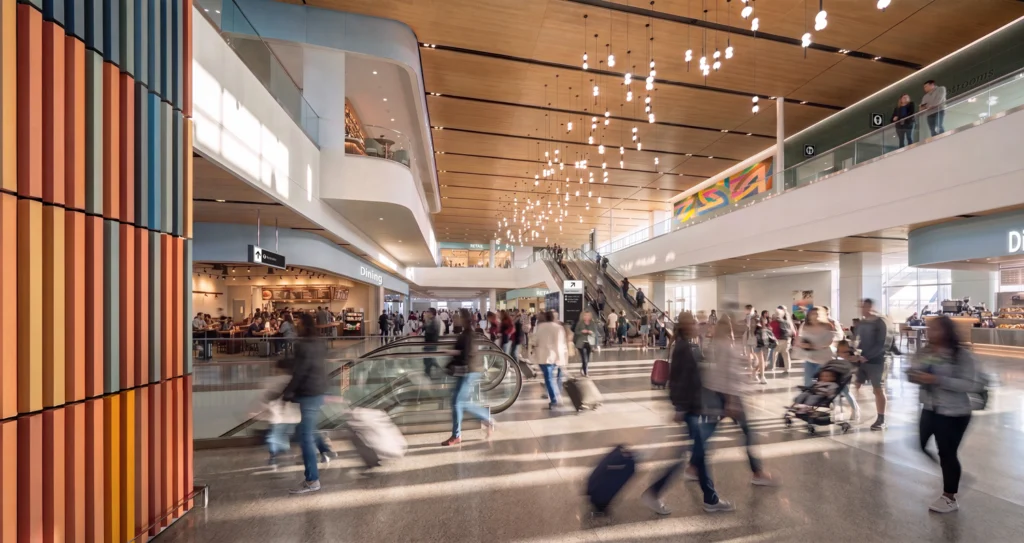
International travellers flying through Seattle-Tacoma International Airport (SEA) can look forward to a more spacious, intuitive and amenity-rich experience as the airport moves forward with plans to transform its S Concourse.
The Port of Seattle Commission recently authorised initial funding for the S Concourse Evolution project, advancing the next major phase of the airport’s long-term modernisation programme. Major construction is scheduled to begin in 2027.
HOK is serving as lead designer for the project in collaboration with prime consultant and lead architect AECOM. Together with the Port of Seattle and a multidisciplinary consultant team, HOK is helping reimagine the 1970s-era facility into a more resilient, efficient and passenger-centric gateway for international travellers.
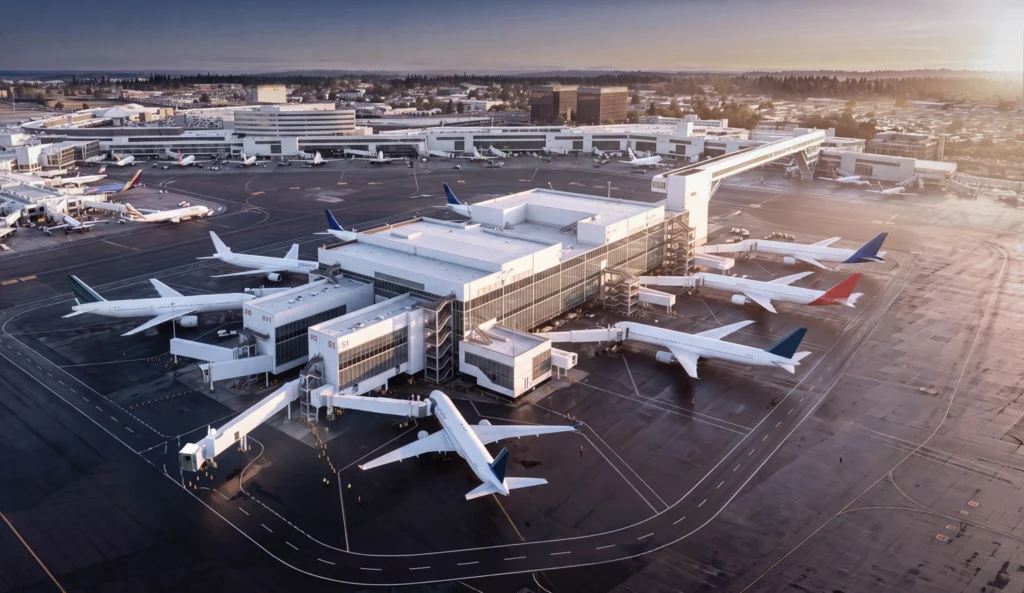
The project will modernise the S Concourse by adding 150,000 square feet of space, including a new upper concourse level, enhanced dual-level boarding operations for select gates and expanded dining, retail and lounge space. It also includes structural, seismic and building systems upgrades.
Guided by principles of connection, openness and a strong sense of place, HOK’s design vision draws inspiration from the distinctive geography of the Pacific Northwest and its rich cultural history to create a welcoming and intuitive travel experience.
The project will repurpose portions of the former customs facility vacated by the International Arrivals Facility, allowing the airport to accommodate future growth while improving comfort, circulation and operational performance.
“The S Concourse Evolution project is an opportunity to transform international travel at SEA through spaces that create a more comfortable and intuitive journey that is deeply connected to the Pacific Northwest, while supporting diverse traveller needs with inclusive layouts,” said Keith Hui, HOK’s regional leader of aviation and transportation.
The facility is targeting LEED Silver certification and is expected to reduce annual operational greenhouse gas emissions by 58% while lowering annual energy use by 16% compared with Port standards.
NEW TRANZEET DELI OPENS AT DXB
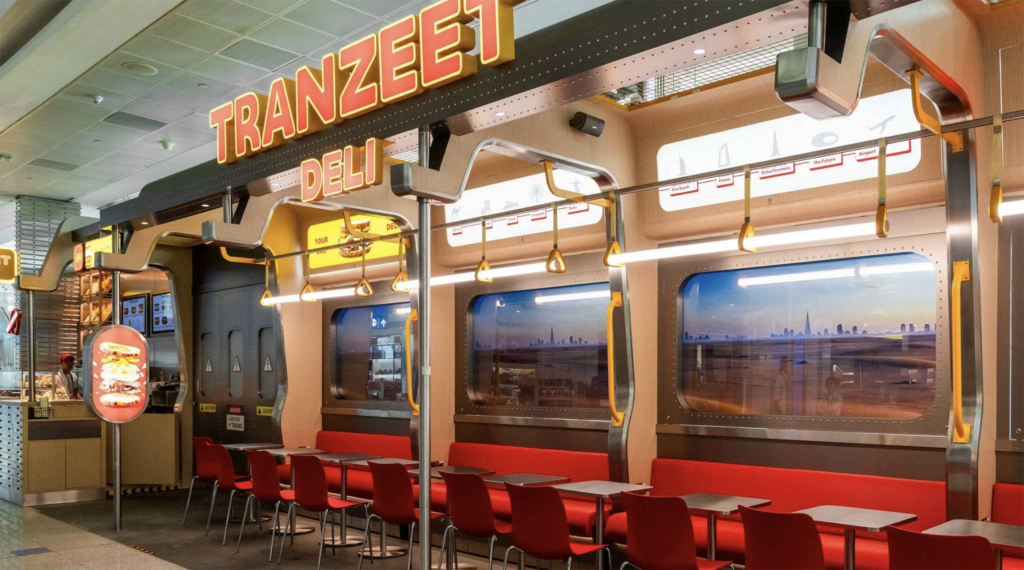
Lagardère Travel Retail has opened a Tranzeet Deli in Terminal 3 at Dubai International Airport (DXB), a distinctive new dining concept created exclusively for the airport environment.
Inspired by the energy and character of New York’s legendary delis and influenced by the design of urban transit networks, the concept combines handcrafted sandwiches and beverages with a design-led setting.
Drawing on the energy and movement of urban rail travel, the concept incorporates elements of both metropolitan transit networks and DXB’s airport train system to create a distinctive airport dining experience.
Design cues including carriage-style seating, overhead handrails and grab handles, riveted metal finishes and transit-inspired wayfinding evoking the atmosphere of a modern train journey, while menu boards, signage and packaging continue the theme throughout.
Alison Macdonald, vice president for commercial concession management at Dubai Airports, enthused: “The addition of Tranzeet Deli brings another high-quality dining option to DXB, reflecting our continued focus on keeping the airport experience fresh, relevant and engaging for our guests.”

YETI MOVE TAKES PART IN NORDIC AVIATION RESILIENCE PROJECT
Airports are critical infrastructure for Nordic societies. They safeguard mobility, security of supply, and the ability of authorities to respond effectively during crises and exceptional circumstances.
At the same time, airport maintenance operations face growing challenges: labour availability is increasingly uncertain, weather conditions are becoming more demanding, and disruptions to satellite navigation systems pose new risks to critical operations.
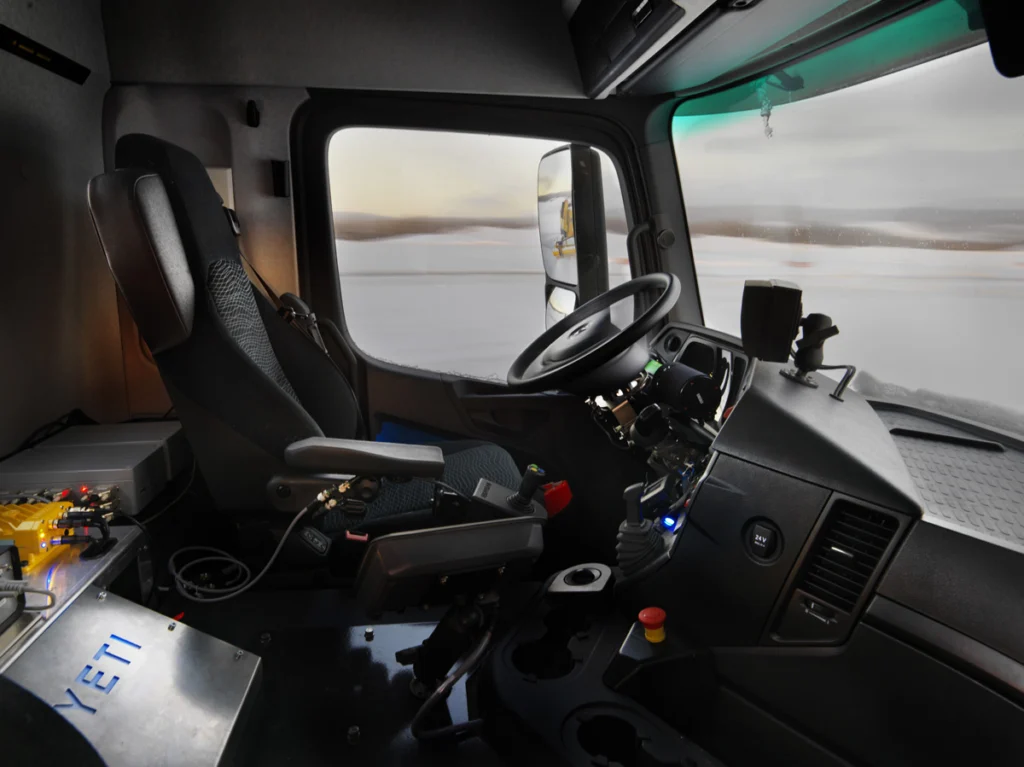
The new Nordic Aviation Resilience (NAR) project is developing the next generation of autonomous and remote-controlled solutions to enhance the operational reliability and resilience of airport maintenance operations.
The project builds on autonomous maintenance solutions already deployed across the Nordic region, including Yeti Move’s technology, which is currently operating at Oslo Airport in Norway and Stockholm Arlanda in Sweden.
Its main objective is to strengthen the resilience of Nordic aviation infrastructure and ensure the safe operation of airports even during disruptions.
“Robust aviation is essential to Nordic resilience. At the same time, airports are vulnerable to disruption and new challenges,” says Sindre Bornstein, CEO of Nordic Innovation, which is funding the project.
“The Nordic Aviation Resilience project plays a key role in strengthening the Nordic region’s long-term resilience, which is an objective of Nordic Innovation.”
The project is led by DIMECC AS, a Norwegian subsidiary established by DIMECC Ltd. Nordic Aviation Resilience (NAR) is the new company’s first project and a strong opening for a new era of Nordic collaboration.
“The NAR project brings together Nordic stakeholders to develop practical solutions for strengthening the resilience and operational reliability of airports,” explains DIMECC AS CEO, Eja Tuominen.
“For us, the project represents an important step towards scalable solutions that support preparedness and resilience across the entire aviation sector.”
The NAR project brings together Finavia (Finland), Yeti Move (Norway), GIM Robotics (Finland), and RISE CyberNode (Sweden).
It also draws on the expertise of airport operators Swedavia and Avinor in Sweden and Norway respectively along with Finnish tech company Boldyn.
The project builds on experiences gained from existing autonomous airport maintenance solutions and develops a next generation of technologies capable of operating even when Global Navigation Satellite Systems (GNSS) are degraded or completely unavailable.
During the project, the solutions will be tested in real airport environments together with operators. The goal is to create a scalable operating model that strengthens preparedness and competitiveness across the Nordic aviation sector.
“Yeti Move has extensive experience deploying autonomous and driver-assistance technologies at airports,” enthuses CEO, Emil Lindegaard.
“We are proud to contribute to this project and further improve operational resilience and support wider adoption of autonomous technologies. The Nordics are perfectly positioned to be a global frontrunner in autonomous airport operations.”
Yeti Move believes that the NAR project will lay the foundation for a large-scale Nordic demonstration and create new business opportunities around autonomous airport solutions.
It is also expected to strengthen the Nordic region’s position as a global frontrunner in autonomous airport operations.
SHAPING PASSENGER JOURNEYS
Emanuele Macarra, custom interiors director at Poltrona Frau, explains why seating should be considered an integral part of the passenger experience.
Waiting, working, resting and reconnecting are all part of the airport journey, and seating has become one of the elements that can most directly influence how passengers perceive a space.
Poltrona Frau has developed a very distinctive culture around seating: an understanding of materials, ergonomics, craftsmanship and the relationship between people and the spaces they inhabit.
That savoir-faire was born in the world of interiors, but over time it has evolved and expanded into very different environments. What remains constant is the level of care and research behind every project.
Airports are among the most demanding environments we design for.
A seat has to withstand intensive use, meet strict performance and maintenance requirements and respond to increasingly diverse passenger behaviours.
But performance alone is no longer enough. Airports are becoming places where people work, rest, meet, eat and spend significant periods of time. Seating therefore becomes part of the architecture and part of the passenger experience.
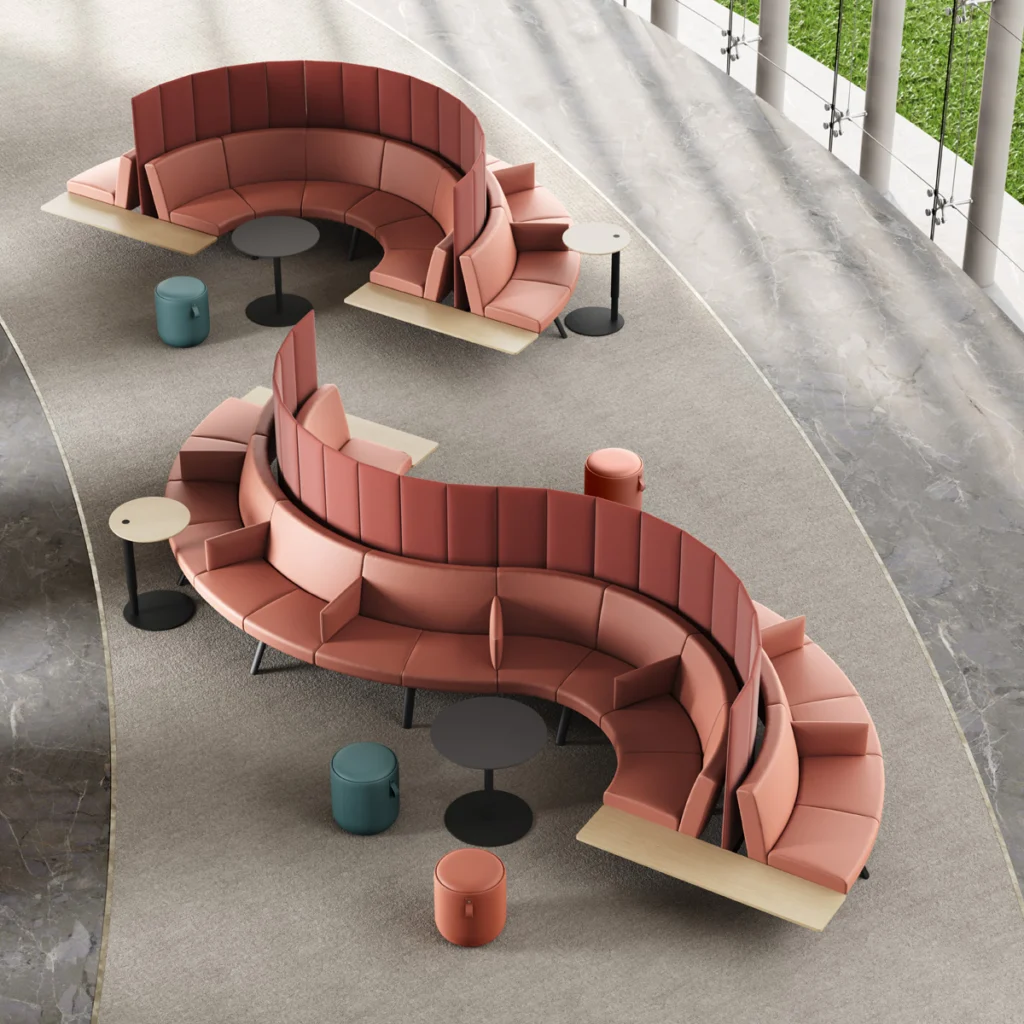
Our role is to reconcile these two dimensions: the technical complexity of a public environment with the sensitivity to comfort, proportion, materials and detail that belongs to Poltrona Frau’s DNA.
A seat is one of the most immediate points of contact between a passenger and an airport. It is where people wait, work, recharge a device, have a conversation or simply take a moment to themselves.
For this reason, seating can no longer be treated as a purely functional element. It contributes to comfort, to the identity of the space and, ultimately, to the quality of the journey itself.
THE EVOLUTION OF AIRPORT SEATING
The future is about adaptability. Passenger needs change, technologies evolve and airports need spaces that can be reconfigured rather than replaced.
Systems such as Bay, developed with Foster + Partners Industrial Design, respond to this through modularity, demount ability and the integration of services such as power and charging.
The goal is not simply to design a better seat, but to create environments that are more flexible, welcoming and responsive — because the passenger experience is shaped by every moment of the journey, including the time spent waiting.
SENSE OF PLACE SEATING
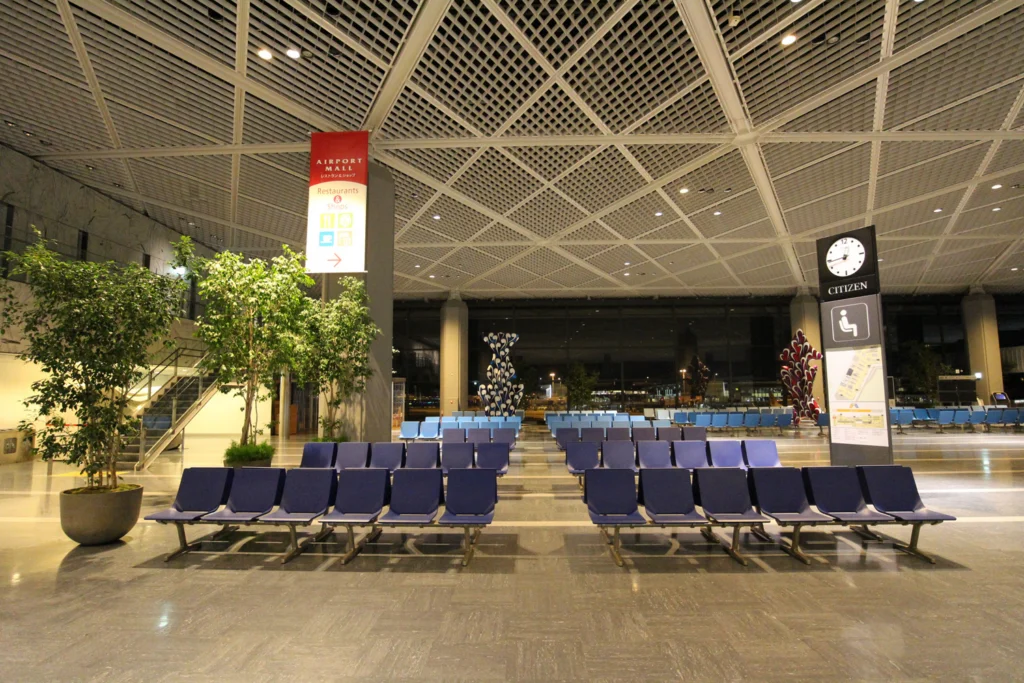
Narita International Airport in Japan is a good example. For its waiting areas, Poltrona Frau Custom Interiors supplied 8,691 Aetos seats and 300 FLY_AIR chaise longues in 24 colours inspired by the shades of the Japanese seasons.
The project shows how airport seating can do more than accommodate passengers: through colour, material and configuration, it can become part of the visual language of the terminal while still delivering comfort, connectivity and long-term performance.
AIRPORT LOUNGES
In a lounge, the relationship becomes even more personal. Passengers may spend longer periods in the space and move between different activities — working, dining, resting or seeking privacy.
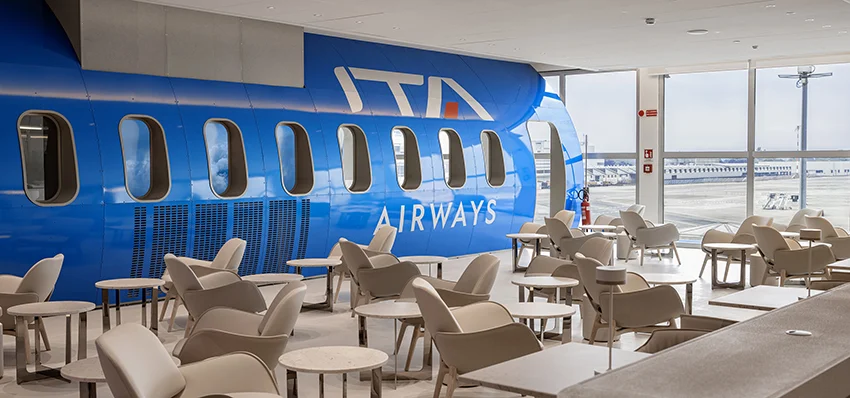
At Milan Linate, for example, we furnished ITA Airways’ Runway Lounge, where Jay Lounge chaise longues define the Silent Room, while Archibald and Martha armchairs contribute to a more domestic and refined atmosphere.
Here, seating helps create distinct moments within the same journey.
LANDMARK DIGITAL APRON OPERATIONS PROJECT
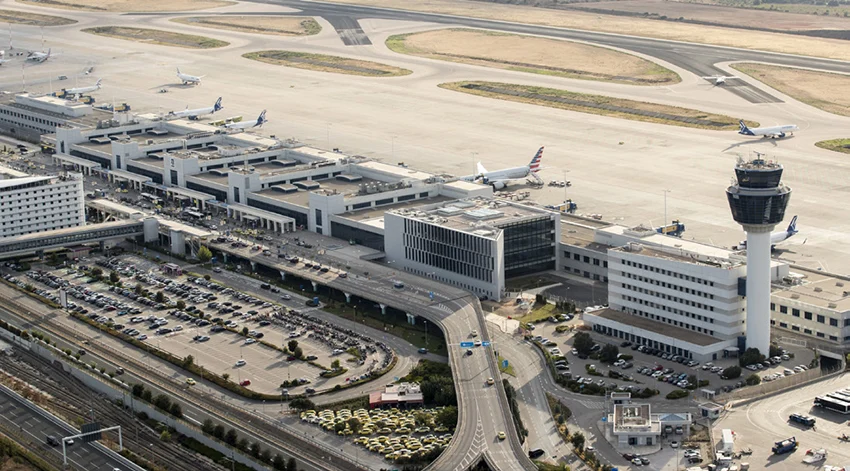
TK Elevator (TKE) has been selected by Athens International Airport (ATH) as a strategic partner for the comprehensive digitalisation of its apron operations.
As a result, TKE will replace its earlier generation Advanced Visual Docking Guidance System (A-VDGS) units at 24 contact stands and introduce the technology for the first time at 80 remote stands, significantly enhancing safety, efficiency and situational awareness at the apron.
All 104 ApronVision A-VDGS units will be fully integrated into MAX Monitor & Control, TKE’s real-time operating, monitoring and analytics platform.
According to TKE, ApronVision is the world’s most advanced visual docking guidance systems, using LiDAR technology to generate up to 2.6 million data points per second – far beyond traditional A-VDGS.
The solution offers all-weather capability through LiDAR and transponder redundancy, supports long range and 360-degree scanning with multiple gate capability, including dual aircraft docking, expanding apron control range and eliminating blind spots.
“This partnership shows how airports can turn data into real operational value: real time information, higher safety and more efficient use of gates and ground equipment,” says Ignacio Medina, CEO of airport solutions at TK Elevator.
While ATH’s chief operating officer, Alexandros Aravanis, notes: “We see this project as a key step in our long-term strategy to make our operations smarter, safer and more efficient.
“By partnering with TK Elevator, we are shifting towards an integrated digital ecosystem, enhancing the digital capabilities of our apron operations through improved real-time visibility, operational awareness and performance monitoring.”
HEINEMANN EXPANDS BERLIN BRANDENBURG PARTNERSHIP
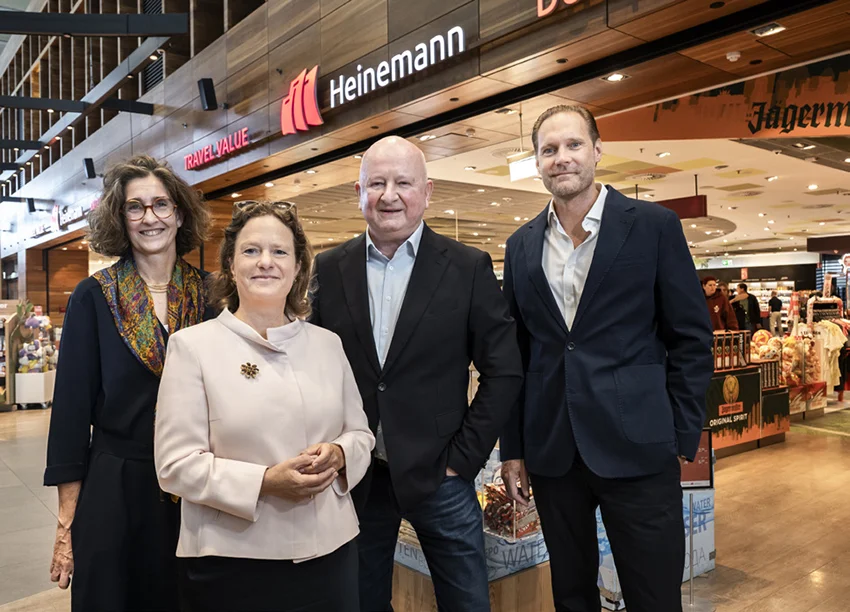
Gebr Heinemann has extended its contract with Berlin Brandenburg Airport (BER), laying the foundation for a significant expansion of the duty free and travel value offer in the security area of Terminal 1.
As part of the further development of the market place beyond security, the retail space will grow to around 3,800 square metres.
The project is said to underline the shared ambition of Heinemann and Berlin Brandenburg Airport to create a more attractive, convenient, and experience-driven environment for international passengers.
Steffen Jopp, managing director of Gebr Heinemann at BER, said: “The expanded space will allow us to introduce new concepts and create a more inviting atmosphere that encourages travellers to spend time in the market place.”
RELIABLE COMMUNICATION IS KEY
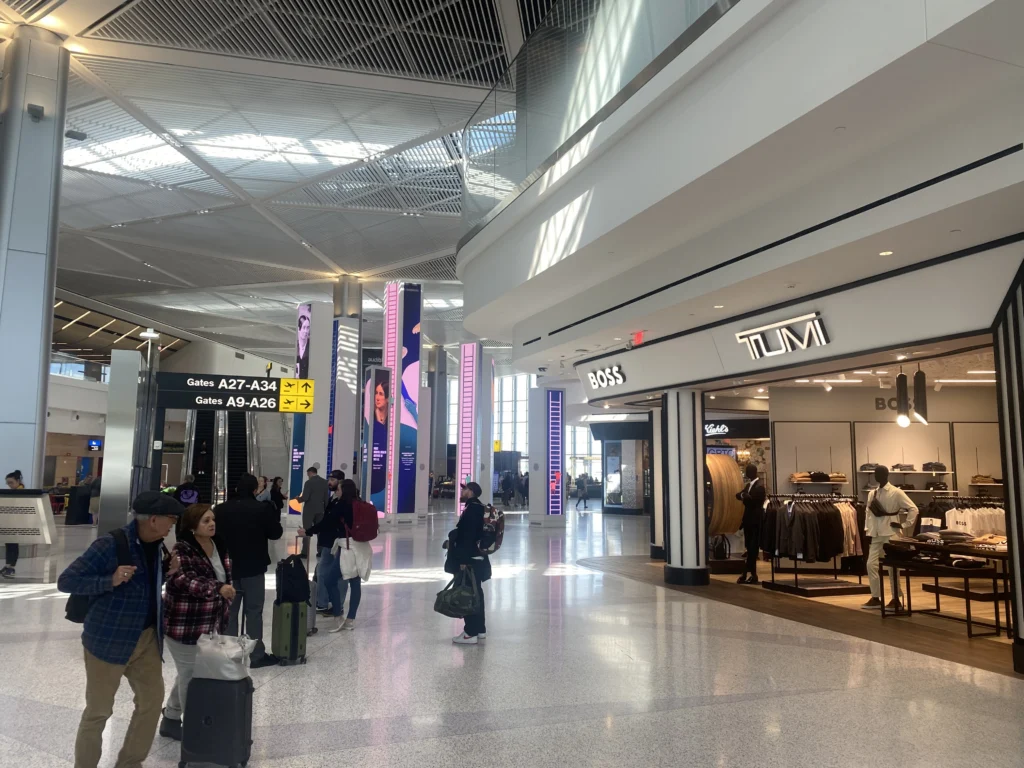
As North America’s busiest airports continue to raise the bar for the passenger experience, clear, reliable communication has become an essential part of that equation.
In the latest J.D. Power North America Airport Satisfaction Study, 24 of the highest-rated airports rely on AtlasIED’s public address and life safety communication technologies, arguably underscoring the company’s role in supporting seamless passenger communications across some of the continent’s top airports.
The study measured passenger satisfaction across mega, large, and medium airports using feedback from more than 30,000 travellers in the United States and Canada.
Of the 30 airports recognised in the report, AtlasIED communication systems are installed in all 10 top mega airports, six of the top 10 large airports, and eight of the top 10 medium airports.
“The air travel experience depends on clear, reliable communication,” commented John Goodrich, director of global installed systems, AtlasIED.
“Airports require communication platforms that deliver exceptional speech intelligibility, support multilingual messaging, and can scale to meet the needs of facilities serving millions of travellers each year.”
MENZIES EXPANDS NORTH AMERICAN FOOTPRINT
Menzies Aviation has completed the integration of G2 Secure Staff in under 12 months, creating a unified North American business with more than 12,500 former G2 colleagues fully integrated into its systems, operating processes and brand.
The integration programme was the largest in Menzies’ history and followed the $305 million acquisition of G2 Secure Staff in August 2025.
Hassan El-Houry, CEO of Menzies Aviation said: “The successful integration of G2 enhances our ability to meet demand and strengthens our position in the world’s largest aviation market.
We remain highly confident in the long-term growth of the US economy and aviation sector and will continue investing in our people, capabilities and customer partnerships to support that growth.”
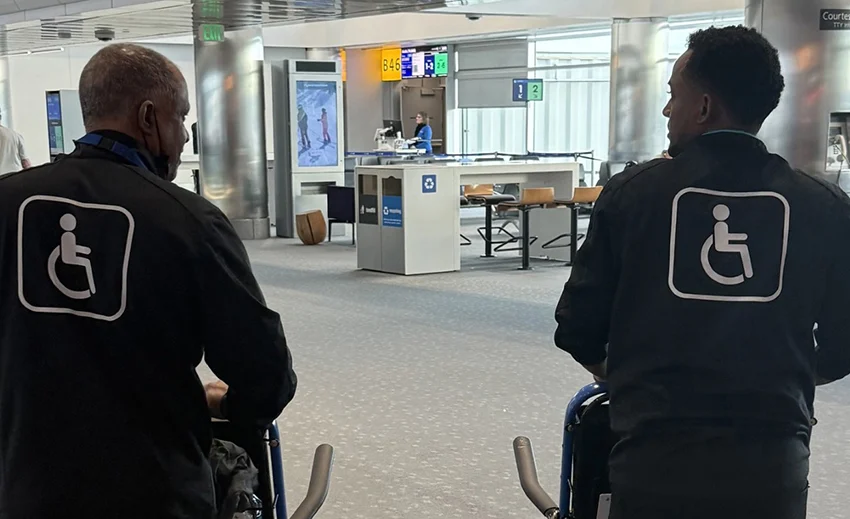
The integration created a combined 20,000-strong US workforce, which provides ground handling, air cargo and fuel services at 108 airports across the country. It also resulted in Menzies adding 70 new partners to its customer base and winning significant new business including cabin cleaning and passengers with reduced mobility (PRM) contracts – expanding Menzies’ service offering.
PPG’s ALLWAYS SERVICE ARRIVES AT LONDON HEATHROW
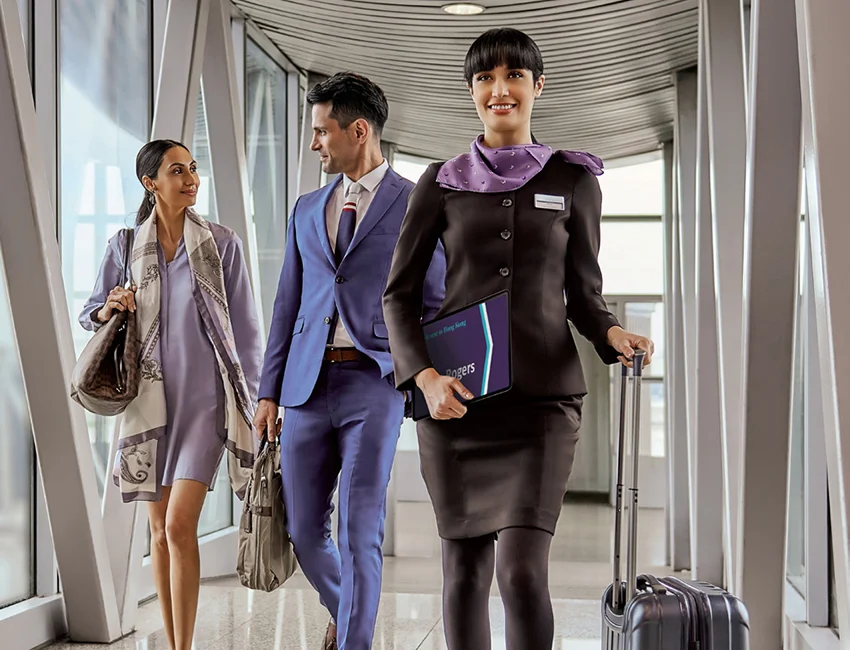
Plaza Premium Group has launched ALLWAYS, its premium meet & assist service, at London Heathrow (LHR).
Designed to help travellers move through the airport with greater ease, confidence and comfort, ALLWAYS provides personalised assistance across arrival, transit and departure journeys.
According to PPG, the expansion directly addresses shifting traveller expectations highlighted in ACI World’s 2025 ASQ Global Traveller Survey, which revealed a growing demand for more personalised and convenient airport experiences.
Bora İşbulan, PPG’s deputy CEO, noted: “ACI World’s latest Global Traveller Survey confirmed our observations on the ground in airport hospitality: passengers no longer measure their journey by speed alone and increasingly look for support that feels personal, intuitive and reassuring — not simply transactional. ALLWAYS was developed directly in response to that shift.
“For business travellers, that means a dedicated point of contact to ease tight connections, support schedule certainty, reduce airport stress and help them move efficiently between meetings, flights and ground transport.
“For families and leisure passengers, it offers the reassurance of a personal guide through a busy, high-pressure environment. As one of the world’s busiest hubs, LHR is precisely where this human element matters most – making it the natural next home for ALLWAYS.”
Beyond meet and assist services, travellers can customise their experience with add-on services including porter assistance, buggy transfers, fast-track access, and Plaza Premium Lounge entry.
PAVING THE WAY FOR GREENER RUNWAY RESURFACING
Material innovations are making runway resurfacing quicker, easier and more environmentally friendly, writes Dr Paul Phillips, technical director at Associated Asphalt.
By 2050 it is estimated that upwards of 250,000 commercial flights a day could be operating across the globe.
In an era marked by environmental urgency and the need for rapid decarbonisation, this presents modern airports with a complex challenge – meeting soaring demand while working towards net zero.
While renewables, smart technology and even the promise of electric planes continue to dominate the narrative, it’s equally important not to forget the fundamentals – such as asphalt.
Every 20 years or so airport runways need to be resurfaced to meet safety regulations. For busy commercial airports this can even be as frequent as every ten years.
Inherently, this resurfacing process has involved numerous direct and indirect carbon sources. This includes the construction methods used and embodied carbon in asphalt, binder and other materials used – all of which can weight up to a considerable carbon impact.
Thus, as the industry transitions to a more sustainable future, it is important that this process becomes more environmentally friendly.
A BREAKTHROUGH IN BITUMEN
Alongside advances in recycled materials and smarter production techniques, part of the answer lies in reconsidering one of the most key materials used in airside infrastructure – bitumen.
Traditionally derived from crude oil, bitumen acts as the binding agent in asphalt. Finding a viable, low-carbon alternative to conventional binders has therefore been a long-standing ambition for the sector.
However, historically many of the bio-based alternatives developed to date have struggled to consistently match the demanding performance requirements of asphalt, particularly in the highly challenging environment of aviation infrastructure.
Today that changes. The result of extensive research and development, this is seen in the arrival of AA Pure – which uses a by-product from commercial nut processing industry alongside a naturally occurring hard bitumen to produce an incredibly low-carbon binder.
Crucially, its EPD demonstrates a 60% carbon footprint reduction across product and logistics compared with standard oil-based binders.
PROVEN PERFORMANCE
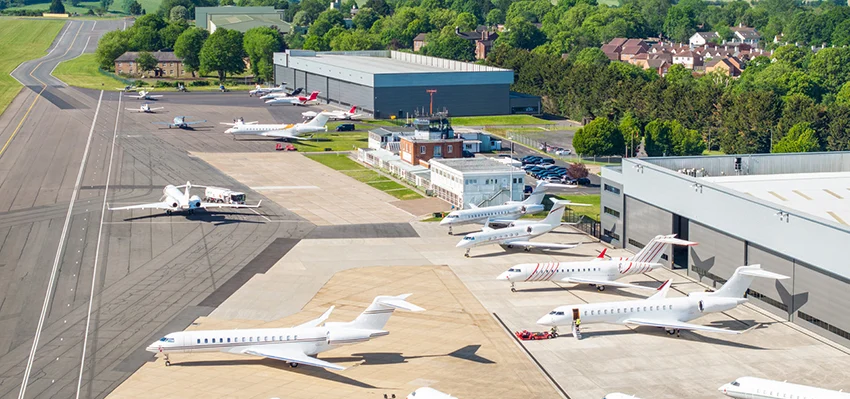
A powerful example of this opportunity can be found in our recent work with one of Europe’s busiest business aviation gateways, London Biggin Hill Airport.
As part of its progressive plans to reach carbon neutrality by 2029, last year saw the airport become the first UK facility to integrate AA Pure into its operational pavements across its taxiway and main apron.
One year on from the pilot – which saw a total of 120 tonnes of asphalt mixed with AA Pure – and extensive field trials confirm that it delivers superior fuel resistance and reduced temperature susceptibility compared to traditional alternatives, verifying its structural resilience against intense aircraft wear.
Airport World has previously reported on how organic cashew-based bitumen has been used to build and test a 200-metre long section of road on the apron at Frankfurt Airport.
Alongside other sustainability initiatives, it’s important that the approach to runway construction keeps up with its own bold and rigorous climate-relevant action.
By taking advantage of the latest material innovations now, airports can make a huge carbon reduction impact today and help pave the way for a greener future.