




Strong half year of growth and development for Irish airport operator

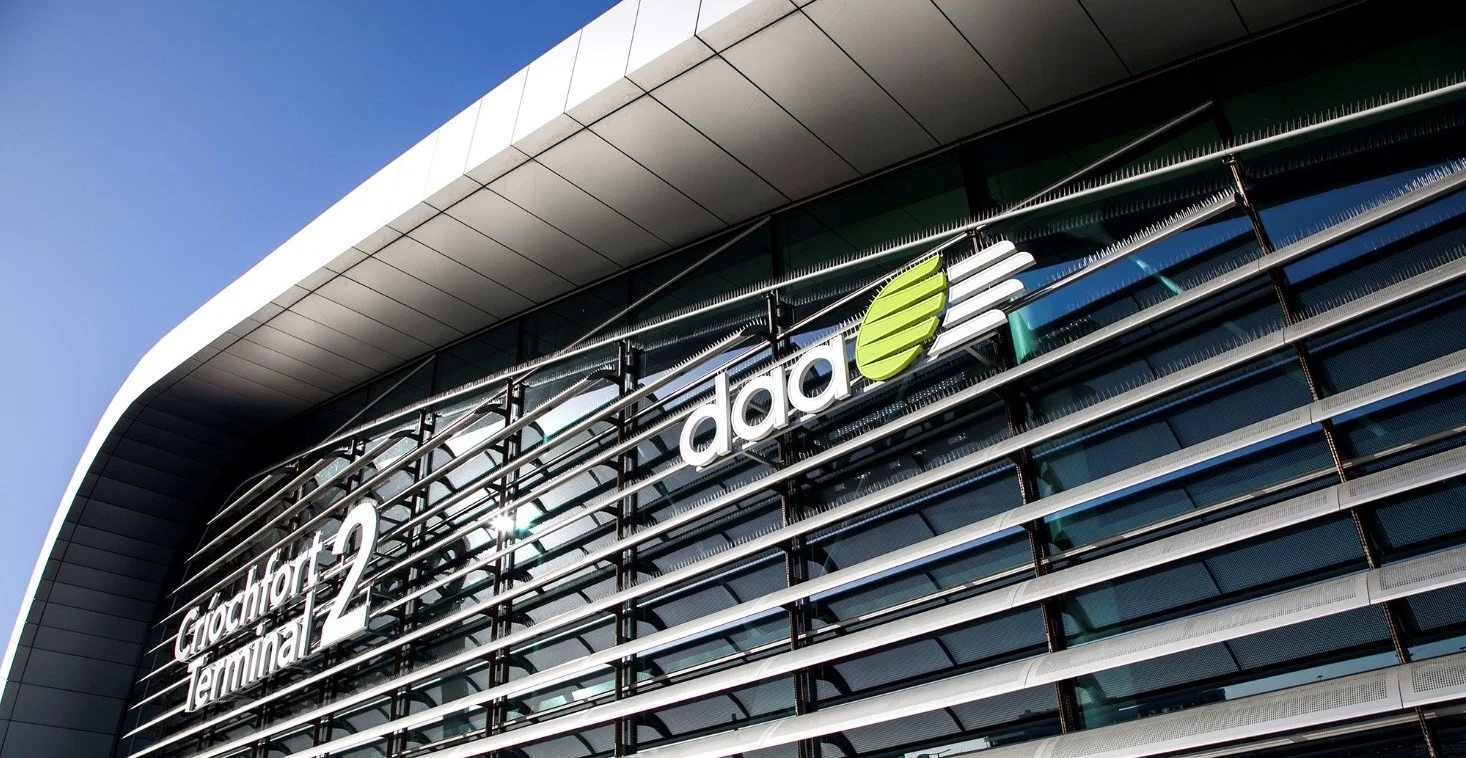
Irish airport operator, daa, has reported a strong financial and operational performance for the first six months of 2026, driven by continued passenger growth and a resilient commercial performance across its airport portfolio.
A total of 19.6 million passengers travelled through Dublin and Cork airports during the first half of the year, an increase of one million passengers (+5%) compared with the same period in 2025.
It was also a good half year for the group financially, with its turnover increasing by 5% to €561.9 million, leading to a profit after tax before exceptional items of €72.9 million.
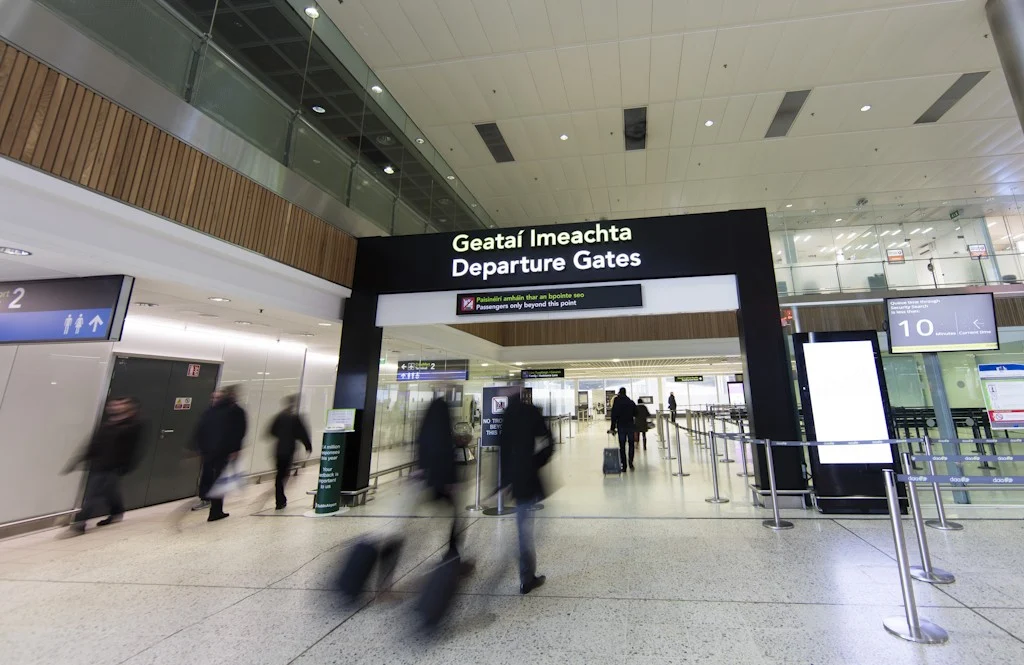
It notes that daa’s international businesses “continued to perform strongly” in the first half of 2026, enjoying a 13% rise in revenues.
Highlights include a good half year performance in Saudi Arabia, and securing a new contract in Vietnam that reinforces daa’s growing international presence.
Subsidiary ARI secured the travel retail contract at Terminal 4 at New York JFK Airport, a significant commercial win that expands its presence in the North American market.
During the first half of 2026, daa invested €153 million in capital expenditure across the Group. This included improvements to airfield infrastructure, passenger facilities, food and beverage offerings and operational resilience at Dublin Airport, together with the continued delivery of Cork Airport’s €200 million multi-year capital investment programme.

Dublin Airport Authority Picture Conor McCabe Photography.
Gary Owens, chair of daa, said: “The first half of 2026 has seen continued strong demand for travel through our airports, reflecting Ireland’s growing connectivity and the importance of aviation to Ireland’s economy.
“Our international businesses have also performed strongly, exporting Irish airport management, operational and commercial expertise to markets around the world.
“Looking ahead, daa is entering a significant period of investment as we continue to expand capacity, enhance resilience and improve the passenger experience.
“Delivering that investment will require a supportive regulatory framework and sustainable access to capital so that Ireland’s two busiest airports, alongside our growing international businesses, can continue to support economic growth, tourism, trade and Ireland’s global aviation reputation.
“The Board is committed to continued engagement with our stakeholders and ensuring that daa continues to operate with strong governance, transparency and accountability.”
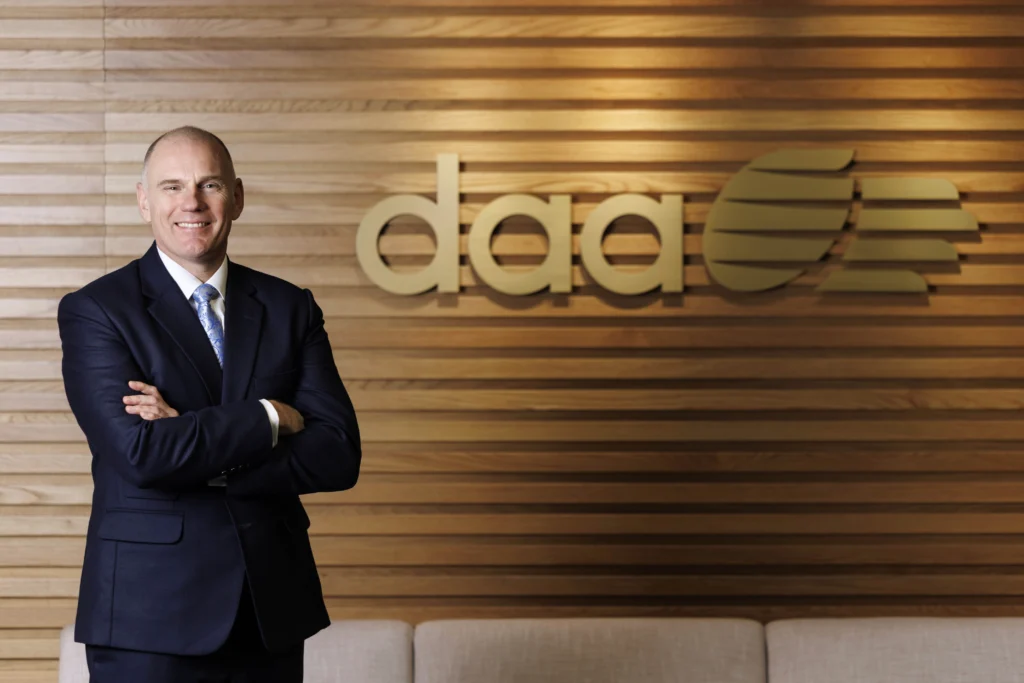
Nick Cole, Deputy CEO, DAA Picture Conor McCabe Photography.
Nick Cole, daa’s deputy chief executive officer, noted that the removal of the annual 32 million passenger cap at Dublin Airport and upcoming review of airport charges will play a major role in the future success of the gateway.
He said: “We have delivered a strong first half performance while continuing to improve services for passengers, invest in our infrastructure and support Ireland’s international connectivity.
“Our priority now is ensuring Dublin Airport can continue to grow and meet future demand.
“We continue to progress both the Infrastructure Application and the separate statutory process to lift the cap at Dublin Airport. Recent developments, including ANCA’s draft decision and our continued engagement in the statutory process, represent important progress towards securing the capacity needed to support Ireland’s future growth.
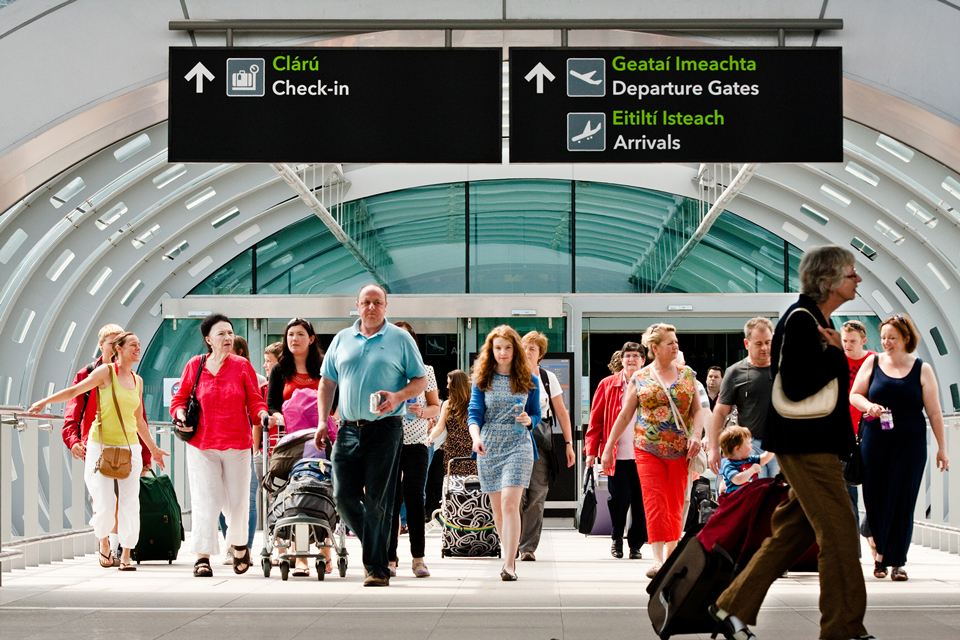
“The outcome of the Irish Aviation Authority’s review of airport charges for the 2027-2031 period will also be critically important. The regulatory framework must support continued investment in capacity, resilience and service quality at Ireland’s national airport.
“Over the coming years, daa will undertake one of the largest infrastructure investment programmes in its history while also refinancing existing borrowings and maintaining safe, secure and resilient airport operations.
“Our concern is that the proposed reduction in aeronautical charges for the period will not support the funding of the record investment programme and the desired improvements in operational resilience.
“Ensuring the right balance between affordability, investment and long-term sustainability in the final decision will therefore be essential.”