



Milestone year for Hong Kong International Airport

Editor, Joe Bates, discovers more about the ongoing growth and development of Hong Kong International Airport.
Even by its own high standards, it’s been a busy and successful year to date for Hong Kong International Airport, which has seen it open new infrastructure, record close to a 13% upturn in passengers and build on its commitment to becoming the world’s greenest airport.
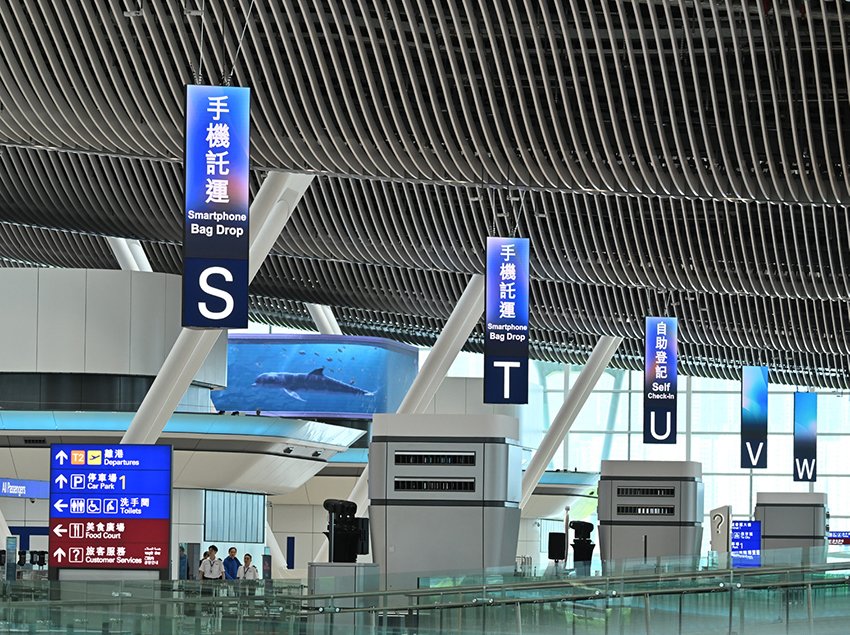
The May opening of its expanded and technology smart Terminal 2, which now covers a colossal 3.2 million-square-feet, has effectively raised the airport’s capacity to around 100 million passengers per annum.
The total means that the $1.65 billion (HK$12.8 billion) upgrade, carried out as part of Airport Authority Hong Kong’s Three Runway System (3RS) project – the third runway was commissioned in 2022 – has increased the gateway’s annual capacity by some 30 million passengers.
Sunny Tong.
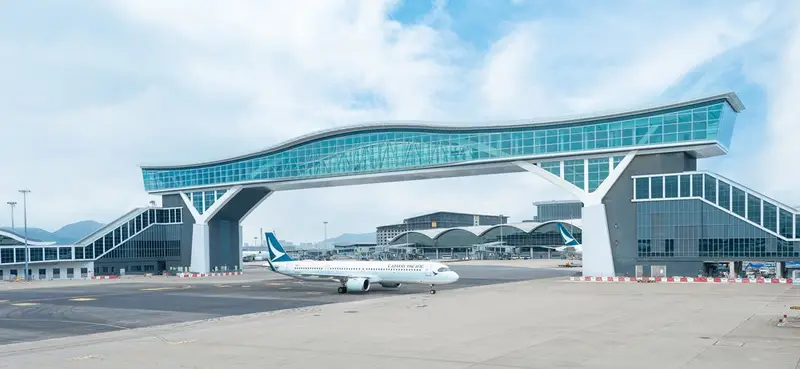
And things are expected to get even better late next year when the airport opens its new T2 Concourse (T2C), which will allow the terminal to handle both arriving and departing passengers, and most importantly mean that departing travellers no longer need to take an Automated People Mover to Terminal 1 to board flights.
Theoretically, this development and other ongoing infrastructure and technology enhancements will raise the long-term capacity of HKG – more commonly referred to as HKIA by the airport authority – to up to 120 million passengers per annum.
Early feedback from both passengers and the airlines show that HKIA’s new Terminal 2 has transformed the Departures experience for passengers boarding flights to mostly regional destinations.
AAHK CEO, Vivian Cheung, told Airport World: “Since the opening of T2 departures, we have received very positive feedback from both passengers and airline partners.
“Travellers – particularly younger, tech-savvy passengers –have highlighted the speed, convenience, and seamlessness of the check-in experience.
“Airlines have also noted smoother operations and improved passenger flow, contributing to overall efficiency within the terminal.
“Fifteen airlines are operating short-haul and regional routes in T2, which is expected to serve eight million departing passengers during its first 12 months of operation.
“Complementing T1’s long-haul and transfer/transit services, T2 is designed with a strong focus on smart and technology-enabled services for leisure and regional travel.
“Together, the two terminals strengthen HKIA’s capacity to meet growing passenger demand while enhancing passenger experience.”
She continues: “T2 incorporates thoughtfully designed, user-centric features.
“The bright, spacious, and modern design of the terminal further enhances comfort, creating a more relaxed and pleasant
pre-flight environment.
“The centrally located e-security gates shorten the journey into the airside area, enabling passengers – particularly those without baggage – to proceed quickly without walking through all the check-in counters before entering the security checkpoint.
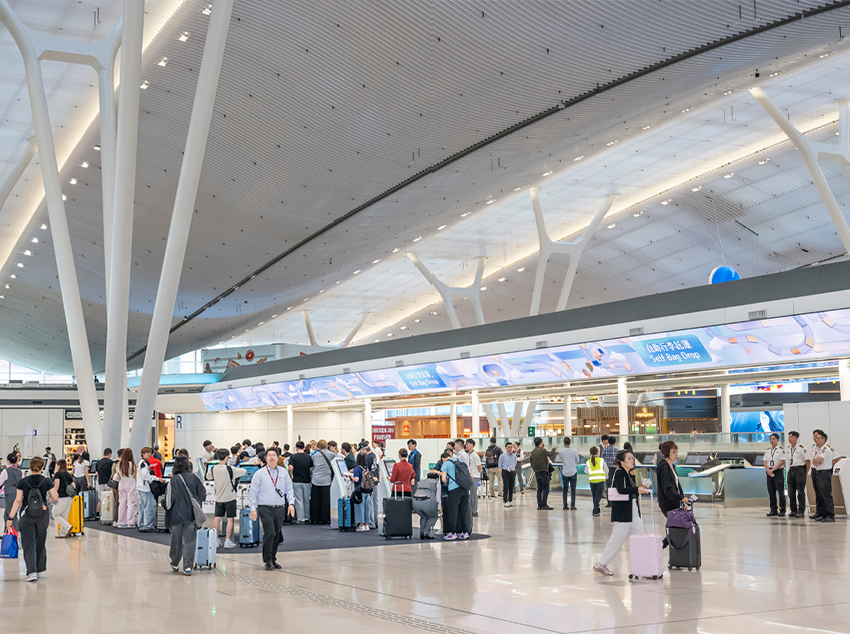
“The ultra-low baggage belt platform at bag drop counters makes the process more accessible for passengers of all ages.
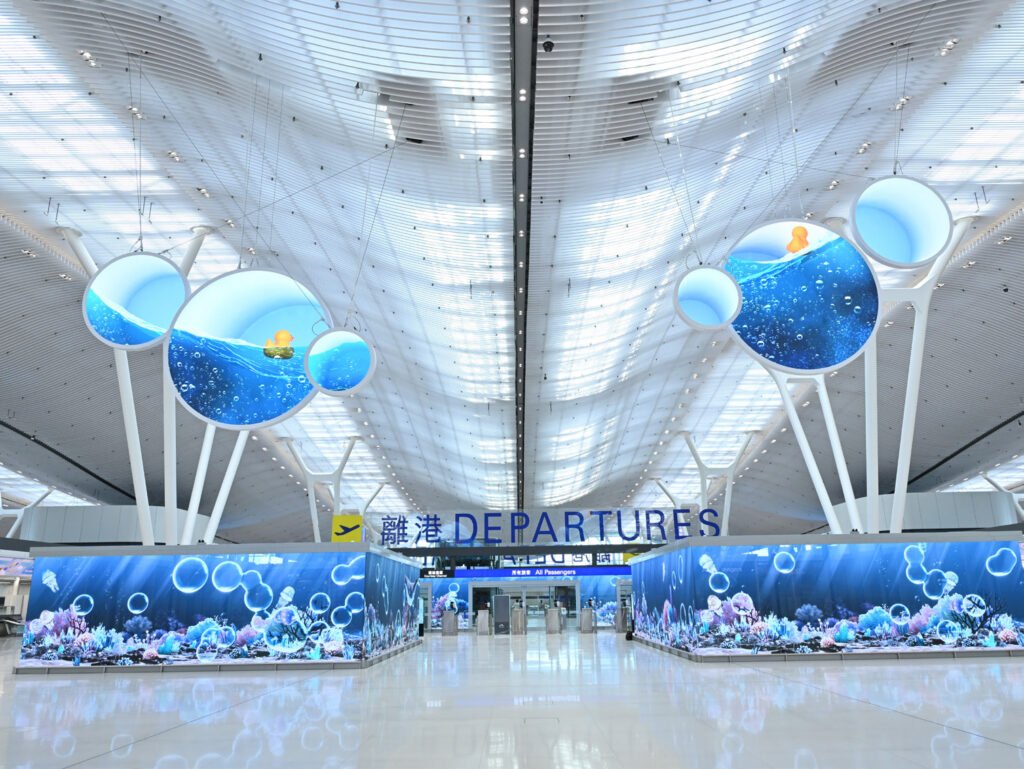
“In addition, the terminal features advanced automation and self-service technologies, including facial recognition, smart check-in, express bag drop.
“These innovations enable passengers to complete their departure processes in as little as five to seven minutes, significantly improving efficiency and reducing queue times.
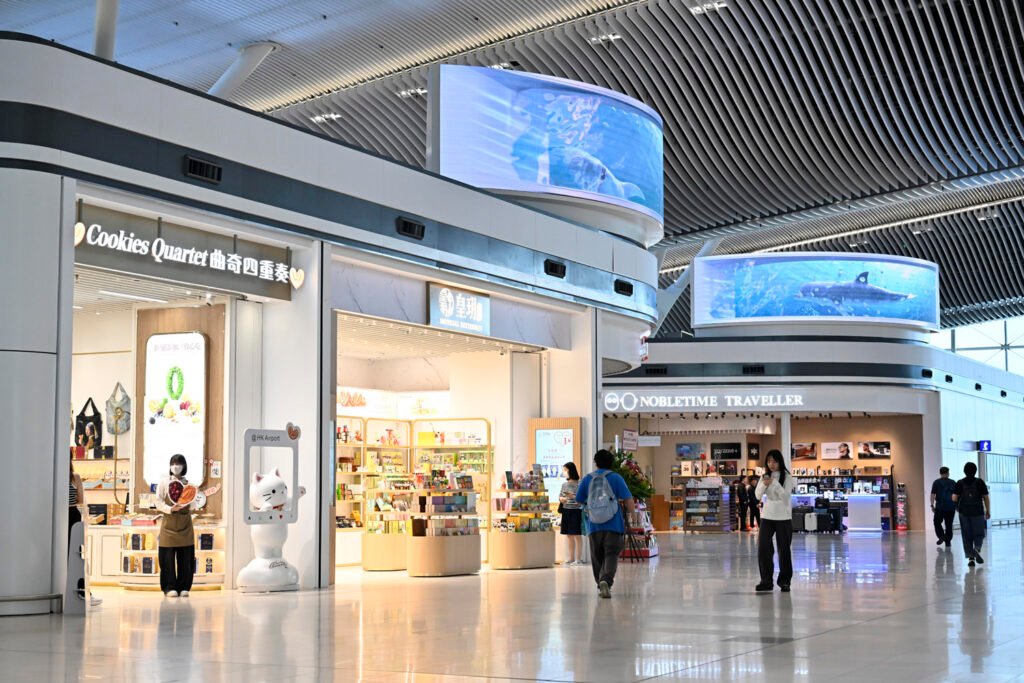
“Furthermore, the wide variety of retail and food and beverage offerings, including a number of outlets that operate round the clock, has further improved the overall airport experience, providing greater choice and convenience for passengers at any time of day.
“Together, these enhancements reinforce our commitment to delivering a smarter, faster, and more enjoyable airport journey for all.”
Lamb Ho.
TRAFFIC TRENDS
Hong Kong International Airport handled 61 million passengers in 2025, 15% up on the previous year but still quite a way below the record 74.6 million it handled in 2018 and 71.5 million it welcomed in pre-COVID 2019.
Last year’s improved performance was achieved on the back of a strong Christmas peak season which saw the gateway accommodate more than 200,000 passenger a day for eight days in December.
Annual aircraft movements increased by 8.7% compared to 2024, reaching 394,730 during the year, while yearly cargo throughput saw a 2.7% growth to 5.07 million tonnes.
Recently released figures for its fiscal year ending March 31, 2026, show a double digit increase in passengers to 63 million, while cargo volumes rose by 2.7% to 5.1 million tonnes and aircraft movements by 7.1% to 399,450.
So, how have traffic numbers held up so far this year and what are the expectations for traffic growth in 2026?
“We have enjoyed a good start to 2026 with passenger volumes up by around 13%, aircraft movements increasing by 4.8% and cargo by 3.6% during the first five months of the year,” enthuses Cheung.
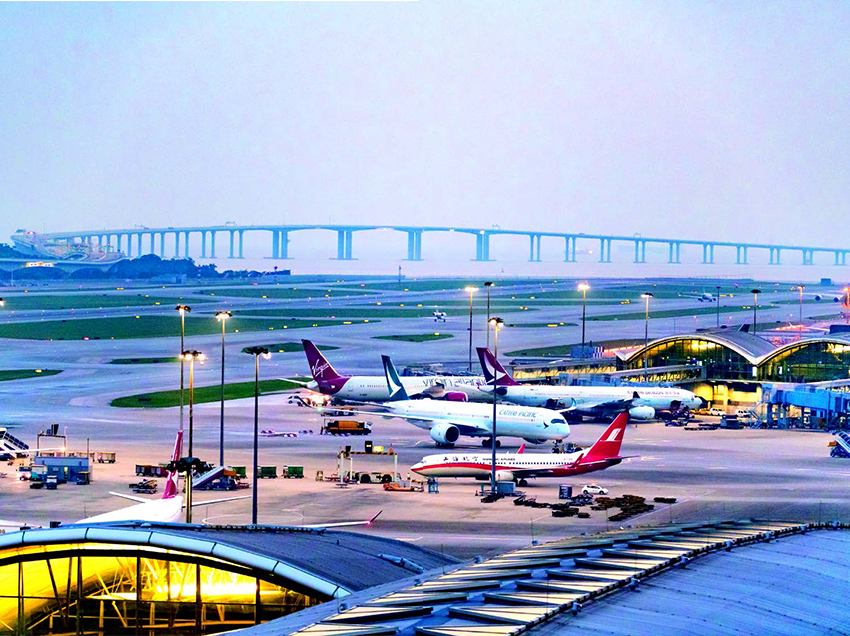
“We are on track to welcome around 70 million passengers in 2026, supported by continued recovery in flight capacity and strong travel demand.
“Overall, performance in the first half of the year is in line with our expectations, and we are confident of achieving our growth targets for both passenger and cargo traffic.”
The airport’s traffic figures for May show that it handled 5.34 million passengers, 33,655 aircraft movements and 435,000 tonnes of cargo during the month – representing year-on-year growth of 10.2%, 3.6% and 3% respectively.
According to AAHK, passenger growth in May was supported by a double-digit increase in transfer/transit passengers.
By region, most markets expanded in May, with growth led by Mainland China, Japan and Southeast Asia.
Overall cargo growth was primarily driven by transhipments, followed by imports, which recorded year‑on‑year increases of 23.2% and 1.2% respectively.
ROUTE DEVELOPMENT
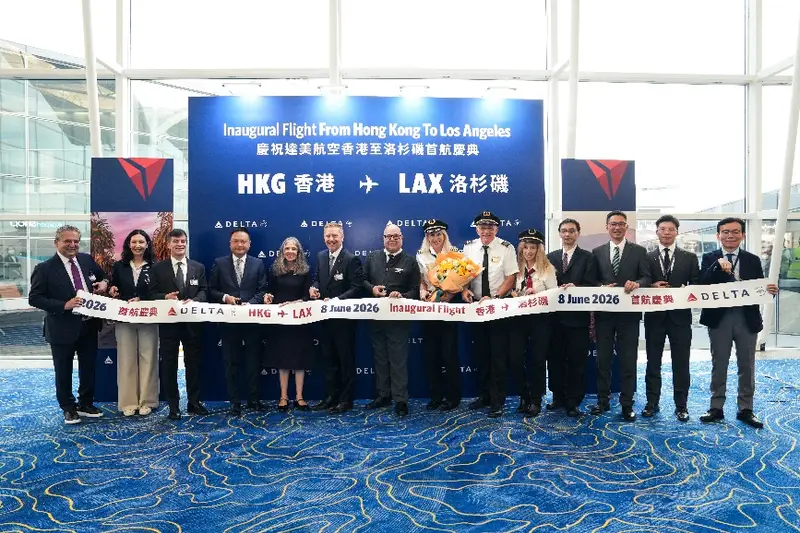
HKIA’s route network was recently boosted by the return of non-stop Delta Air Lines services between Hong Kong and Los Angeles (LAX) after an eight-year hiatus.
Delta states that its new daily service reconnects Los Angeles with “one of Asia’s most important markets with its premier US West Coast gateway”.
Other new services launched this year have included Cathay Pacific resuming operations to Seattle (SEA); HK Express inaugurating flights to Wuxi in Mainland China; Sun PhuQuoc Airways commencing operations to Phu Quoc Island in Vietnam and Hong Kong Airlines launching a new route to Lanzhou on the mainland.
Last year’s numbers ensured that HKG was the 24th busiest airport in the world for passenger traffic and the eleventh busiest in Asia-Pacific.
When it comes to cargo, however, HKIA is the undisputed No.1 in the world, a position it has held in ACI World’s annual global cargo rankings every year since 2010, with the notable exception of COVID impacted 2020.
CARGO POWERHOUSE
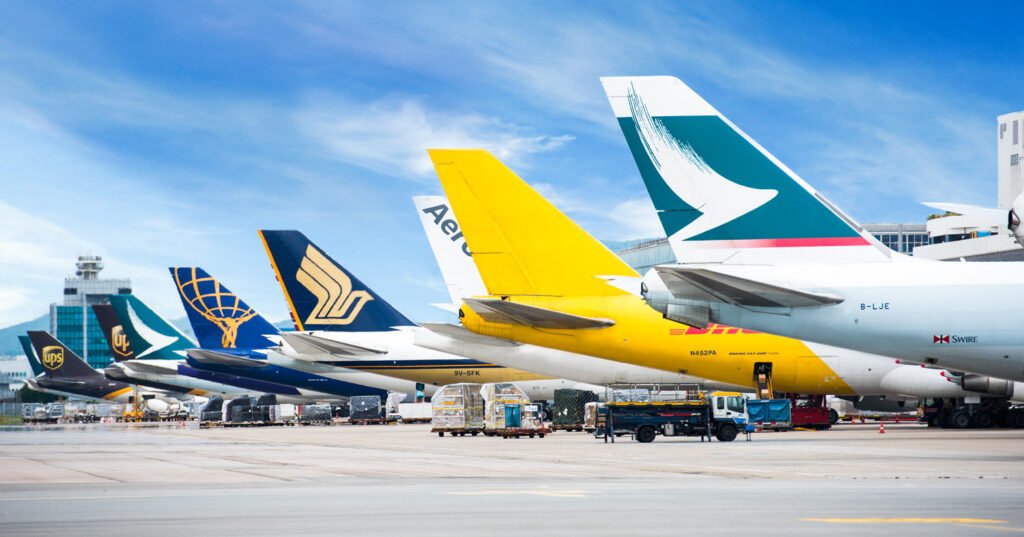
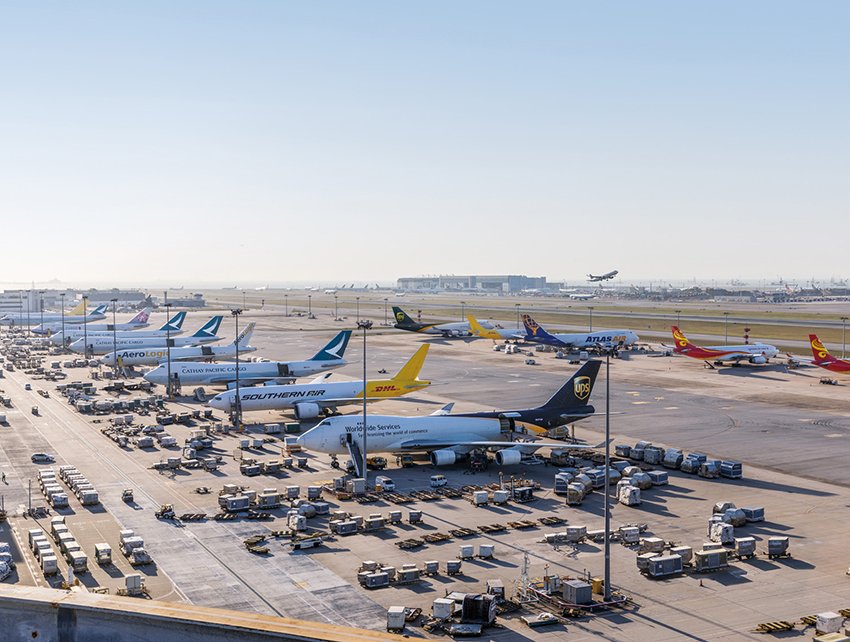
The airport’s prime location with access to Mainland China’s manufacturing base, expansive route network and ground connections, some of the world’s most technologically advanced cargo terminals/logistics facilities, and trade encouraging local government policies ensure a constant stream of cargo through HKG.
Indeed, the five million plus tonnes of cargo processed across the airport site in 2025 meant that it handled around a million tonnes more freight last year than second ranked Shanghai Pudong (PVG) to strengthen its position as the world’s biggest cargo hub.
Cheung notes: “We were greatly honoured to retain our position as the world’s busiest cargo airport in 2025 for the 15th time since 2010.
“Thanks to the collective efforts of the air cargo community and strong support from various government departments, we continue to expand our capacity and enhance capability in handling high-value cargoes, e-commerce fulfilment, and cross-boundary transhipments, all being strategic and high growth segments.
“Facing intense competition in the region and global economic uncertainties, we are redoubling our efforts to sharpen competitiveness and open new horizons for our cargo business.”
AAHK is quick to note that it has continued to roll out new initiatives to strengthen its air cargo capabilities.
UPS, for example, began construction of its new hub at the airport in March 2026, which will be capable of handling nearly one million tonnes of cargo annually upon completion in 2028.
To enhance cross-boundary transhipment efficiency, the Air-Land Fresh Lane – jointly established by AAHK in collaboration with authorities of Hong Kong and Guangdong in 2025 – streamlines customs procedures to enable premium perishables received at HKG to reach major cities in the Greater Bay Area within hours.
Meanwhile, the HKIA Dongguan Logistics Park has handled cargo valued at over RMB70 billion since the launch of its pilot scheme, with its first phase permanent facilities now under development and expected to raise its annual handling capacity to beyond one million tonnes upon full operation.
Complementing physical and process enhancements, AAHK adds that it is also pioneering the digitalisation of the air cargo supply chain with a view to further enhancing efficiency and enabling value-added services.
Initiatives include the award-winning one-stop digital platforms ‘HKIA Cargo Data Platform’ and ‘HKIA Cargo Connect’ which facilitate partnerships through innovative, intelligent and interconnected digital ecosystems, unlocking new business and collaboration opportunities.
SUSTAINABILITY
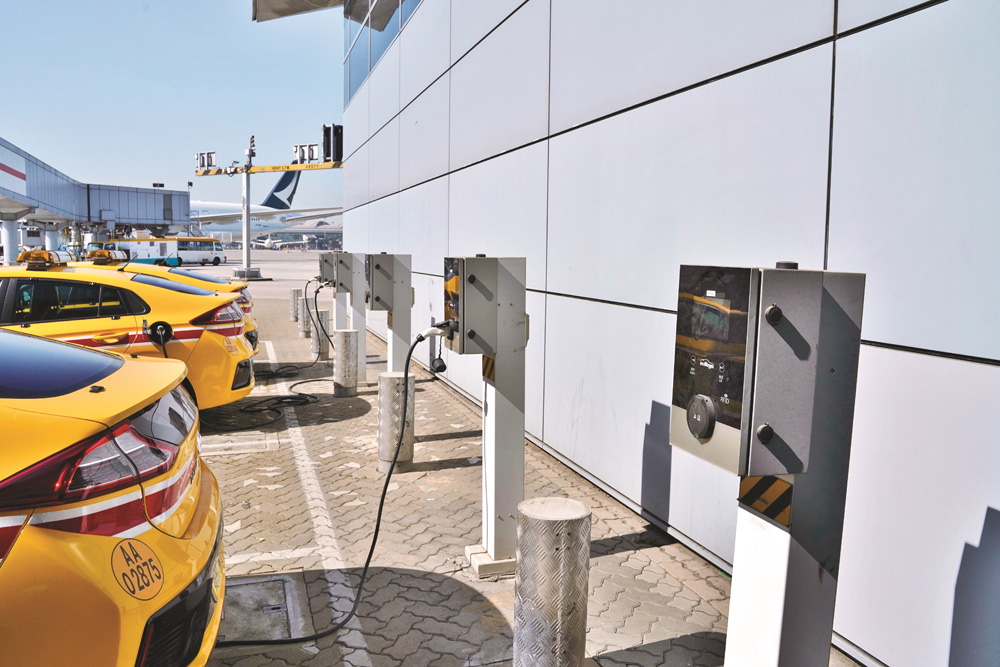
In 2012, AAHK pledged to make Hong Kong International Airport the ‘World’s Greenest Airport’, and Cheung insists that the airport remains as committed to this ambition today as it did when it made the announcement 14 years ago.
She says: “Sustainability has always been at the core of HKIA’s development and a central pillar of our long‑term strategy.
“Since 2010, we have worked closely with our airport business partners to reduce carbon emissions across the entire airport community. In 2021 we joined forces with key aviation partners to commit to achieving Net Zero Carbon Emissions by 2050, alongside an interim target to reduce absolute emissions by 55% by 2035 compared with 2018 levels.
“Recognising that sustainable aviation fuel (SAF) is a key initiative for reducing carbon emissions in the aviation sector, AAHK supports and promotes the uplift of SAF at Hong Kong International Airport.
“We have also completed a comprehensive study on the use of SAF in Hong Kong which developed a range of strategic options to promote SAF uptake for consideration by the HKSAR Government.
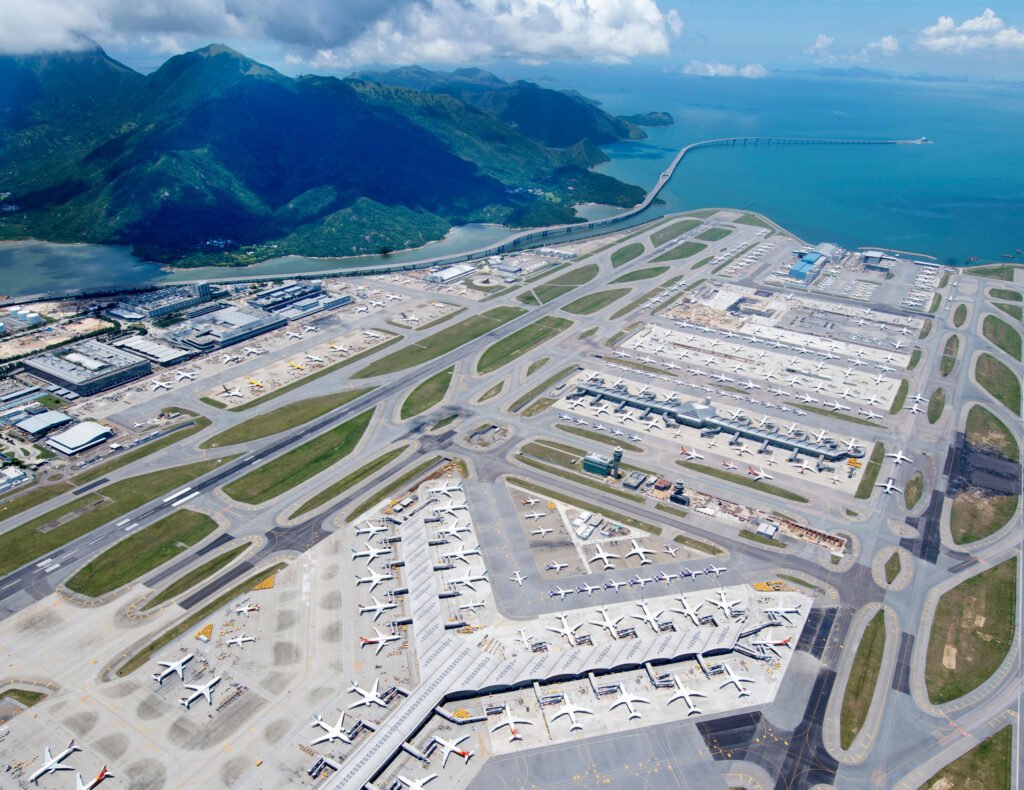
“Beyond carbon reduction, we are focused on enhancing biodiversity, particularly given HKIA’s unique location on Hong Kong’s western waters.
“In 2024, in collaboration with the HKSAR Agriculture, Fisheries and Conservation Department, we established the North Lantau Marine Park – the largest marine park in Hong Kong – to strengthen the conservation of Chinese white dolphins and protect the marine ecosystem in North Lantau waters.
“In parallel, we have implemented a range of proactive marine enhancement initiatives. These include deploying artificial reefs and oyster reefs in the waters around HKIA, as well as releasing juvenile fish and around one million shrimp fry to support marine biodiversity and fisheries resources.
“We also organise eco‑tours in Hong Kong’s western waters for students and stakeholders to promote environmental awareness.
“Taken together, these ongoing initiatives – spanning carbon management, ecological conservation and community engagement – are enabling HKIA to make meaningful progress towards its ambition of becoming one of the world’s greenest airports.”
For the record, HKIA has achieved Level 4 ‘Transformation’ status in ACI’s Airport Carbon Accreditation programme, and contributed to the development of the Levels 4, 4+ and 5 of ACA by supporting ACI APAC & Middle East in conducting a consultancy study on developing a climate adaptation approach for the region.
While its industry leading annual Sustainability Report – the next one of which is due for publication this summer –showcases AAHK’s progress on 24 strategic goals across four sustainability pillars, namely Environmental Excellence, Operational Excellence, Thriving Economies and Societies, and Thriving People.
Another sustainability high worthy of note is HKG’s Platinum Award in this year’s ACI Asia-Pacific & Middle East annual Green Airports Recognition programme for its robust approach to adapting to climate change and ensuring the airport’s flood resilience.
AAHK undertook extensive seawall and drainage studies for the entire airport island, which incorporated worst-case climate scenarios and involved sophisticated hydrodynamic modelling to assess HKIA’s resilience to flood risks.
And the studies not only confirmed that HKIA’s existing infrastructure is resilient until at least mid-century and operational at the end of the century with adaptation measures in place, but also enabled more effective flood management strategies for HKG.
SKYTOPIA
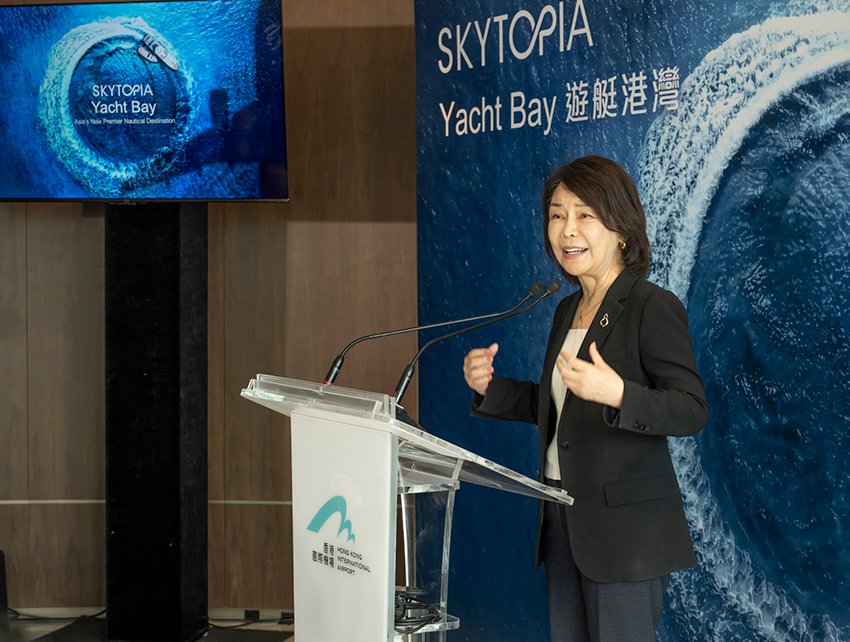
Last year AAHK stated that a key goal going forward for the gateway was to “press full steam ahead with its Airport City development under the newly unveiled SKYTOPIA brand”, and it has done just that, achieving several major goals this year.
Cheung says: “We have spearheaded and driven forward all the key projects of SKYTOPIA since its launch, with several important milestones already achieved this year.
“Among these, AAHK has signed the contract for the development and operation of the Art & Valuables Storage Facility, which is scheduled to commence operations in early 2027.
“AAHK has also initiated an Expression of Interest exercise to engage leading global industry players for the Yacht Bay project. In parallel, trials are underway for the first phase of the autonomous transportation system for the Airport City.
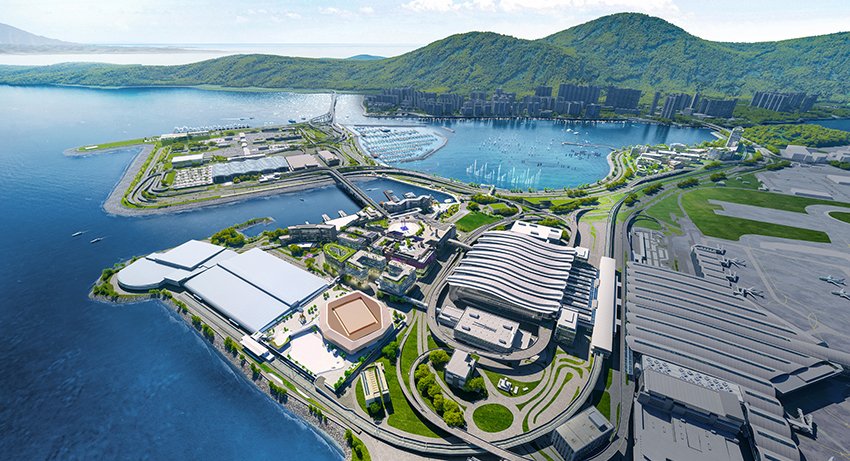
“Looking ahead, 2028 will mark a significant phase of delivery. The Yacht Bay facilities will be completed in stages starting from 2028, while the 20,000-seat performance areas at AsiaWorld‑Expo Phase 2 is targeted for completion in the same year.
“In addition, the autonomous transportation system that will link SKYTOPIA with the nearby mass transit railway station will also be completed in 2028.”
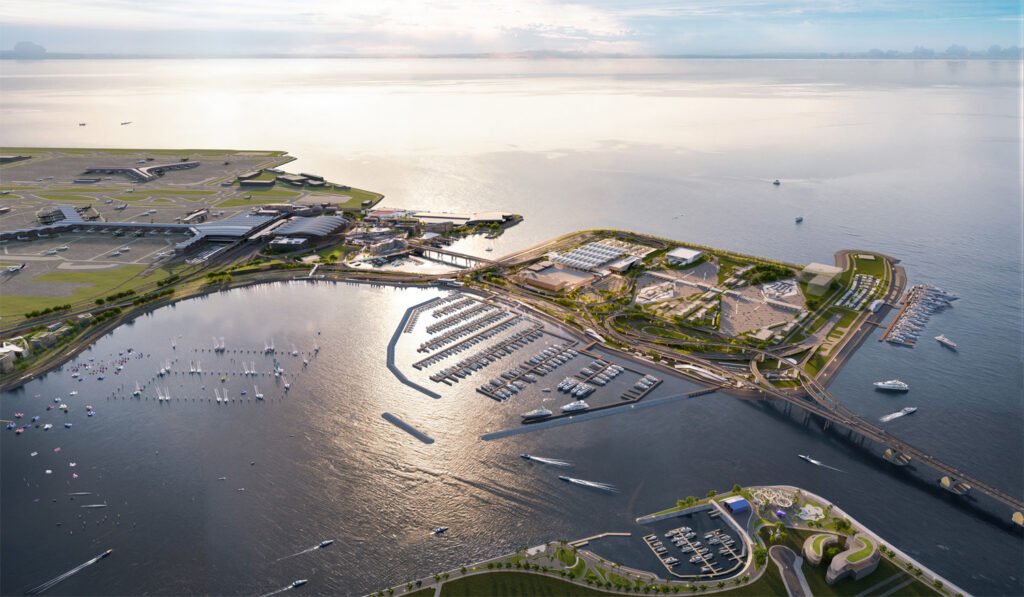
The Yacht Bay is set to become Asia’s new premier nautical destination featuring three key water-themed projects, namely the Airport Bay Marina, Marine Resort, and Water Recreation Area.
The Airport Bay Marina will be Hong Kong’s largest facility of its kind providing 500 berths for vessels up to 100 metres long.
The Marine Resort will comprise a hotel development with direct marina access and a lively promenade dotted with diverse dining and leisure options.
The Yacht Bay will also house Hong Kong’s largest aquatic entertainment and water recreation area that will host a wide range of activities for visitors of all ages.
According to AAHK, the Yacht Bay enjoys synergy with SKYTOPIA’s offerings in entertainment, art, convention and exhibition, food and beverages, tourism and more.
Cheung adds: “These developments underscore our commitment to realising SKYTOPIA as a world class destination that integrates air travel with entertainment and waterfront leisure.”
NEVER ENDING STORY
Like at most major hubs, the need to upgrade HKIA’s infrastructure to raise capacity, become more operationally efficient and enhance facilities for both passengers and its airline customers is a never-ending story.
In the case of HKIA, the project to reclaim land from the sea for its third runway has meant that major construction work has been going on across the airport site for more than a decade.
Will the opening of the T2 Concourse effectively spell the end of this phase of the development of the airport’s key aviation facilities or is there more to come?
Cheung says: “Subject to passenger demand, the T2 Concourse (T2C), located near the new Third Runway, is expected to commence operations in 2027.
“T2C’s opening will be accompanied by a new Automated People Mover and Baggage Handling System linking T2C with T2, while T2’s arrivals facilities will come into operation –completing its transformation into a full‑service terminal.
“T2 and T2C have been planned with flexibility to expand in line with demand, supporting the Three-runway System’s (3RS) capacity of handling 120 million passengers and 10 million tonnes of cargo annually.
“Beyond the 3RS, development will continue through HKIA’s Airport City vision. In particular, SKYTOPIA represents the next phase, leveraging the airport’s land and marine assets to deliver a mix of commercial, cultural and leisure developments.
“This will further strengthen HKIA’s role – not only as a leading aviation hub, but also as a destination in its own right.”