



Business exchange


We provide a snapshot of the latest news stories and features from some of the companies that support the growth and development of the world’s airports.
DNATA TO EXPAND CARGO OPERATIONS IN ZURICH
When it opens in early 2027, dnata’s new cargo centre at Zurich Airport will be capable of handling up to 90,000 tonnes of freight annually.
The extra capacity is likely to be needed within the next few years as the 56,000 tonnes of cargo dnata handled at the Swiss gateway last year was nearly 4% up on 2024.
Construction of the new dnata Cargo Centre is well advanced and forms part of dnata’s long-term investment in its Zurich operations.
Once operational, dnata’s annual cargo handling capacity in Zurich will increase by 50%, from 60,000 to 90,000 tonnes, marking a significant expansion of its operational capabilities at the airport.
The facility will include 8,330 square metres of warehouse space, of which 7,580 square metres will be dedicated to indoor cargo handling, complemented by 4,600 metres of covered outdoor handling areas.
It will replace the existing Fracht West warehouse, originally built in the 1960s, which has reached the limits of its operational and expansion potential.
The new facility is being developed by Zurich Airport at a cost of €44 million while dnata is investing around €6.6 million to equip the site, including the installation of its modern ULD material handling system.
EASY COME, EASY GO AT SYDNEY AIRPORT
Sydney Airport has partnered with global travel services provider WeKnow to deliver a new premium taxi and Uber booking service at the T1 International terminal.
The new service allows passengers to pre-book and pre-pay for onward travel via taxi and Uber through a single, easy-to-use platform.
Bookings can be made via multilingual digital self-service kiosks located in the international arrivals baggage reclaim area or at one of two staffed WeKnow desks in the Arrivals hall.
In the future it is anticipated that WeKnow will add additional services including limo transfers, shuttle services, public transport tickets and a broader range of travel services including tickets for attractions, city tours, concerts and theatres.
PILOT COFFEE ROASTERS LANDS AT TORONTO BILLY BISHOP
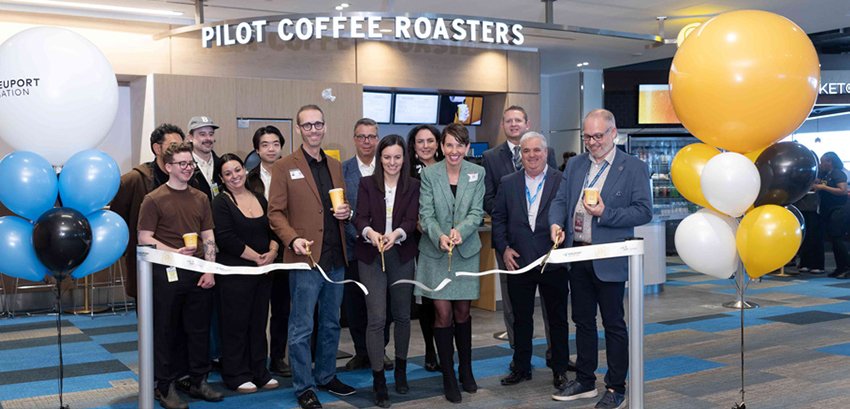
A Pilot Coffee Roasters outlet has opened in the transborder lounge at Billy Bishop Toronto City Airport.
Opened by SSP Canada as part of Nieuport Aviation’s ongoing investment in enhancing the traveller experience in the terminal at Billy Bishop Airport, the new addition is aimed at travellers heading south of the border.
“Pilot Coffee Roasters is one of those rare brands that feels unmistakably Toronto – crafted with care, rooted in community, and loved for a reason,” notes SSP Canada’s vice president for development, Jennifer Juul.

COMBINING OPERATIONAL EFFICIENCY, RESILIENCE AND SAFETY
Finnish airport operator, Finavia, and Siili Solutions have developed an Airport Operational Status (AOS) system that they describe as a customisable solution that enables organisations and communities to share real-time situational information with an unlimited number of users.
It notes that to minimise traffic irregularities and increase resilience in the event of disruptions, from 2027 onwards, major airports within the European Union must be able to provide situational information to the Europe-wide network, and this new regulation includes an Airport Operations Plan (AOP).
The AOP is a jointly agreed, continuously updated situational picture and operational plan for an individual airport, enabling all airport stakeholders to make co-ordinated decisions. Finavia’s AOS system, it states, can be easily integrated into the new requirements that European airports are now facing.
“We have spent several years developing the AOS together with Siili Solutions and now have hundreds of thousands of hours of operational experience with the system,” says Jani Ceder, head of Finavia’s Airport Operations Centre.
“We’re very pleased. It boosts our cost efficiency and helps us run our daily operations smoother. As European airports move to the next level of shared situational awareness, AOS offers a proven, ready-to-deploy solution to the challenges many airports are facing,”
AOS is a digital system owned by Finavia and developed by Siili Solutions. It is used not only across Finavia’s 20 airports, but also in Tallinn Airport in Estonia. Swedavia will be introducing an AOS at Stockholm Arlanda Airport in Sweden in early 2027.
SECURITY ENHANCING CONSOLIDATION CENTRE AT LONDON LUTON
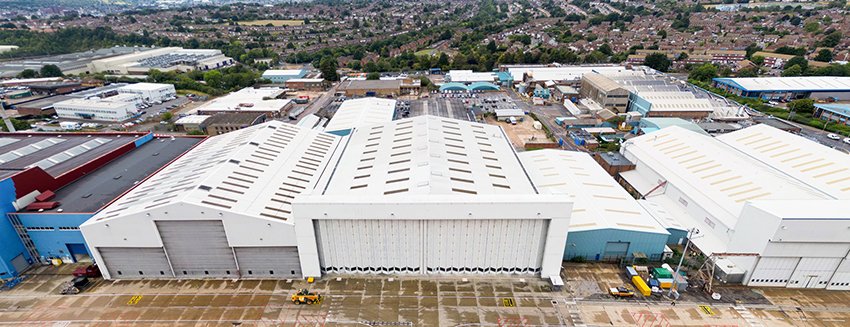
All airside deliveries to London Luton Airport are to be screened at a new consolidation centre at the gateway set up in conjunction with GXO Logistics, Inc.
The new initiative will ensure that everything from high-end fashion to perfume and cosmetics, consumer electronics and items for LTN’s shops and restaurants are securely checked by GXO before entering the terminal building.
The airport’s chief operations officer, Neil Thompson, commented: “The opening of a dedicated, purpose-built consolidation centre provides London Luton Airport with a smarter, more efficient and streamlined logistical approach to managing the hundreds of thousands of goods that are delivered to over 40 shops and restaurants across the airport each year.
“We’re delighted to be working with GXO to develop this facility that will allow us to accept deliveries into one central hub for secure and efficient screening.”
The consolidation centre will be located in one of three hangars that are being repurposed as part of an £11.5 million refurbishment programme.
As part of this partnership, GXO will also implement a bespoke IT system, STREAM (Secure, Technical, Real Time, Electronic Alerts and Messaging), to monitor, report and manage service levels.
Martin Cooper, GXO UK and Ireland’s managing director for technology and consumer, noted: “As air travel continues to grow, consolidation centres play a pivotal role in driving efficiencies and improving sustainability for airport groups.”
MEGA HEAT PUMPS: A GAME-CHANGING TECHNOLOGY
The energy transition is often reduced to electricity generation. Yet much of decarbonisation will ultimately be decided in the heat sector, writes Everllence.
District heating and process heat must move away from fossil fuels, while availability, economic viability and security of supply remain non-negotiable.
This applies not only to cities and industry, but also to energy-intensive infrastructure such as airports, where reliability and operational stability are key.
Everllence develops and supplies Mega Heat Pumps – key technologies for the heat transition. They provide climate-neutral district or process heat with exceptional efficiency, achieving coefficients of performance (COP) between three and five.
In practical terms, this means they generate three to five units of usable heat from one kilowatt hour of electricity – and, depending on the system design, can simultaneously provide valuable cooling.
Another decisive advantage is their scalability: applications range from large complexes such as hospitals and airports to entire urban districts supplied via heating networks.
Another often underestimated benefit is system integration. With the increasing feed-in of weather-dependent renewable energies such as wind and solar energy, fluctuations in the power grid become more pronounced.
Bottlenecks can occur during low generation, while surpluses arise during high supply. Beyond supplying heating and cooling, Mega Heat Pumps can contribute to stability by balancing electricity demand and fluctuating feed-in. Thanks to their dynamic operating behaviour, they can react flexibly to electricity prices and grid signals.
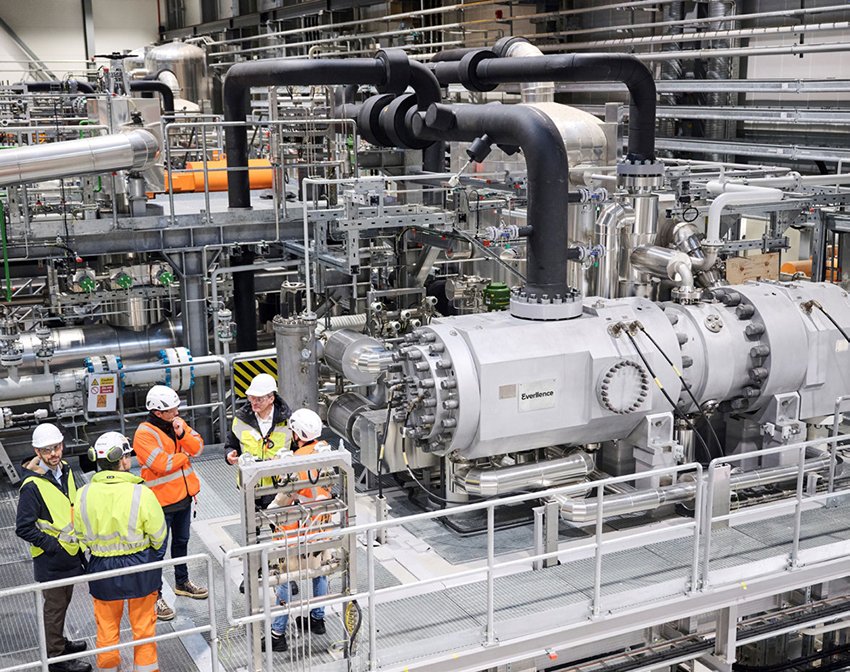
The choice of heat source is important for broad applicability. Depending on location, our Mega Heat Pumps can harness natural heat sources such as water, ambient air, or geothermal energy.
This flexibility allows the technology to be deployed in very different contexts – from urban heating networks to industrial processes.
One example from an energy-intensive production environment is the project with Scout Motors in the USA where Everllence is supplying a Mega Heat Pump system with two 12.5 MW compressors for the new production facility in South Carolina. The system will cover heating demand in winter and provide cooling in summer, using thermal energy extracted from the ambient air.
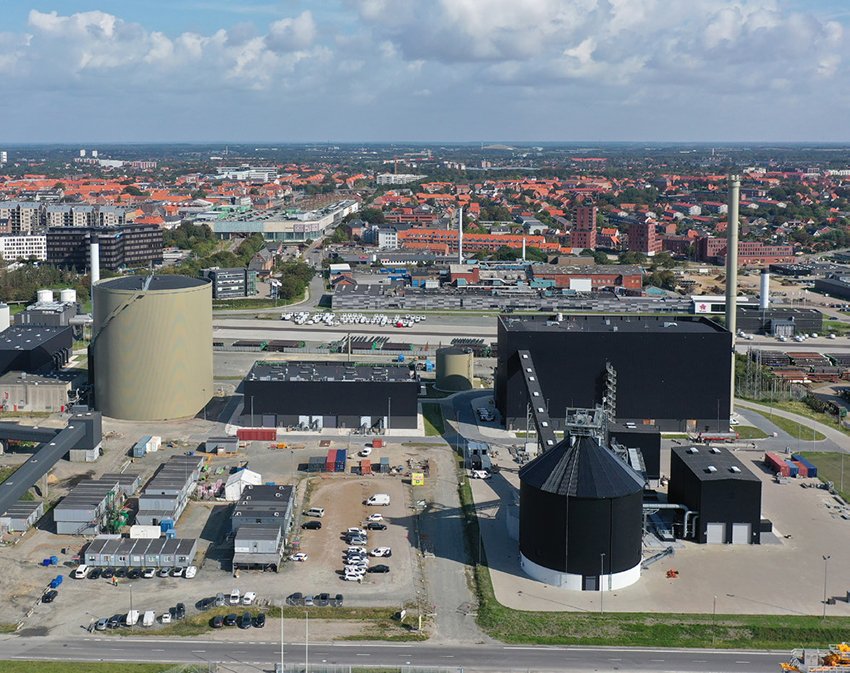
Esbjerg, Denmark, illustrates how effectively Everllence Mega Heat Pumps are already supporting urban heat supply. At the city’s harbour, Everllence commissioned two seawater Heat Pumps in November 2024 with a total heating capacity of 70 MW.
The plant, operated by the municipal utility DIN Forsyning, replaces a decommissioned coal-fired power plant and supplies around 280’000 MWh of district heating annually. This avoids up to 120’000 tons of CO2 emissions per year while providing heat for around 25’000 households.
The plant is also designed to deliver system services thanks to its high load flexibility. At the heart of the installation are two oil-free, hermetically sealed HOFIM® motor compressor units with high-speed motors and active magnetic bearings.
During testing in Zurich, a single compressor handled a load change of 8 MWel within 30 seconds. This allows the plant to ramp up or down very quickly, helping to balance fluctuations in electricity supply and demand.
CO2 is used as the refrigerant, an ecologically safe cooling medium that is neither toxic nor flammable and has a very low global warming potential.
Mega Heat Pumps will play a major role in the energy transition.
By converting renewable electricity and natural, climate-friendly heat sources into usable heat at large scale, they connect the power and heat sectors.
In this way, Mega Heat Pumps not only decarbonise heat supply but also strengthen the integration and stability of an increasingly renewable energy system.
GREEN LIGHT FOR TELENT TO MAINTAIN HEATHROW’S TRAFFIC SIGNAL NETWORK
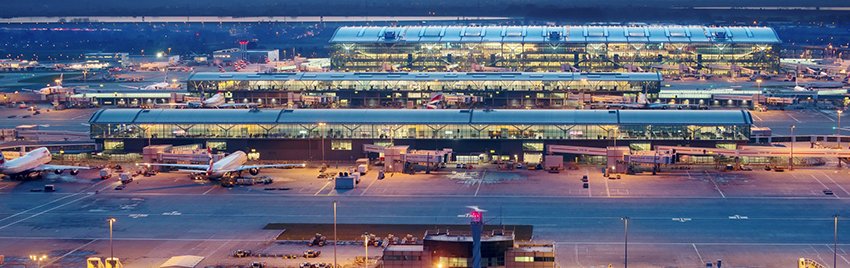
Heathrow Airport has selected Telent to maintain and support its complex traffic signal network – marking the start of a three-year partnership focused on keeping passengers, staff and services moving safely and efficiently across the airport campus.
The contract will see Telent take responsibility for all preventative and corrective maintenance of traffic lights, pedestrian crossings and monitoring systems that play a vital role in the safe and smooth flow of vehicles and people across the site.
And it notes that by combining 24/7 technical support with proactive trend monitoring and a vendor-agnostic model, it will help Heathrow reduce downtime, enhance safety across its roadside and airside network, and minimise disruption for passengers, staff and transport partners.
“Heathrow is a unique environment; fast-moving, safety-critical, and always on. Securing this contract is a significant milestone for Telent as part of M Group, reflecting the strength of our combined expertise and our shared commitment to operational excellence,” commented Reg Cook, Telent’s director of asset management.
“Our teams are built for high-stakes environments, and we’re proud to bring that capability to one of the world’s foremost transport hubs. This partnership is focused on preventing issues before they arise, minimising disruption, and helping Heathrow operate with greater reliability and resilience every single day.”
Due to go live in April 2026, initial site assessments have helped prioritise areas for investment, ensuring critical systems remain safe, reliable and fit for purpose in a 24/7 airport environment.
NEW CENTRALISED BHS FOR BORDEAUX AIRPORT
Bordeaux Airport is undertaking a major transformation of its infrastructure as part of its vision for the sustainable airport of tomorrow.
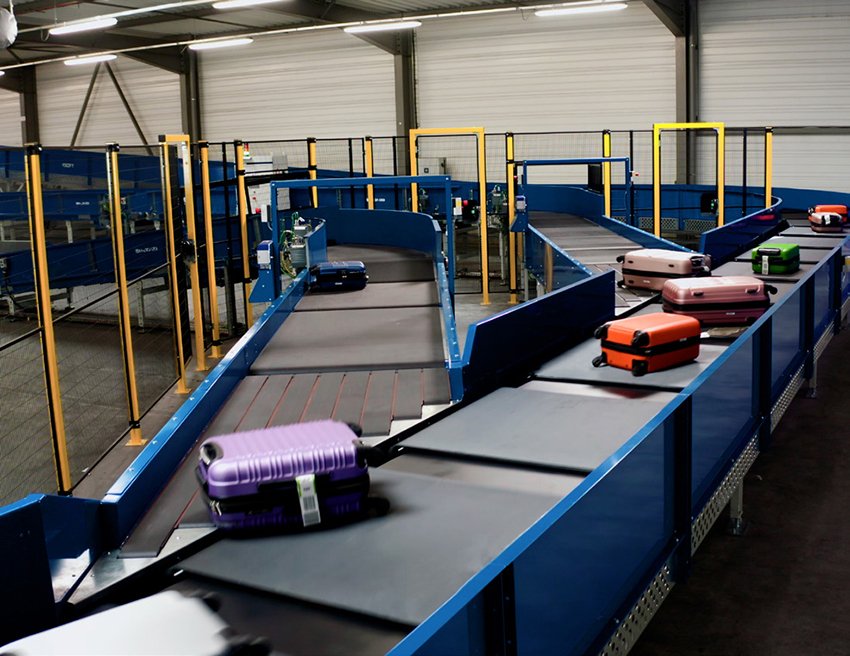
Key to the upgrade is the creation of a new central building, located between Halls A and B, that will enable the implementation of a fully centralised baggage handling system.
The new BHS, notes the French gateway, is being designed to pool resources, optimise operations, and sustainably support future traffic growth and evolving regulatory requirements.
In 2025, the airport welcomed 5.9 million passengers as, between them, its 26 airlines served 92 destinations across 30 countries.
The new centralised system is expected to play a key role in supporting this growth while enhancing operational resilience, flexibility, and efficiency.
Alstef Group has been selected to deliver the core baggage handling solution. The project includes the installation of an XSORT cross-belt sorter, equipped with five injection points, 11 sorting chutes, and three departure carousels.
The scope also includes the integration of a BagSort (SAC) system, the installation of a new arrivals carousel, and the upgrade of 19 check-in counters in Hall A and 26 in Hall B.
In addition, Alstef Group will provide a maintenance contract of at least two years to support operational continuity following commissioning.
A NEW VISION FOR MODULAR SEATING ROOTED IN ENVIRONMENTAL CONSCIOUSNESS
In the union of visionary design and environmental consciousness, the Bay System emerges as a beacon of inspiration in the world of modular seating solutions.
Crafted collaboratively by heritage Italian brand Poltrona Frau and the global architecture studio Foster + Partners Industrial Design, it transcends the ordinary, focusing not just on function but on a sustainable revolution in waiting space aesthetics.
Through its innovative design, Bay System opens up a new, enjoyable way of experiencing waiting areas in public spaces. It is a collection that imagines a world where waiting becomes an art, a moment of anticipation elevated by thoughtful design.
It is a collaborative effort that pioneers new design landscapes for public spaces, standing as a resilient testament to innovation and dynamic solutions in meeting the evolving needs of public spaces worldwide.
The entire system is fully demountable, allowing components to be separated, reconfigured and replaced, extending the relevance and lifespan of the range.
The end-of-life easy dismantling facilitates recyclability of each material. Its unlimited choice of layouts, broad palette of modular elements and materials, and ease of installation will make Bay System a compelling choice for designers, specifiers and transport terminal operators around the world.
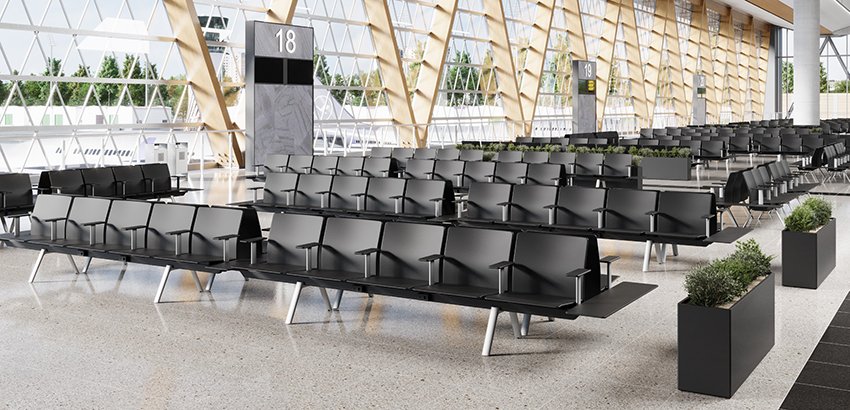
The collection envisions two main ranges: Bay Gate and Bay Lounge – each a manifestation of ergonomic brilliance and privacy design. The common structure binds them, twin central beams providing not just support but a canvas for the integration of future technologies.
Power sockets, induction charging for phones, personal screens, and ambient lighting seamlessly blend into this modular masterpiece, offering an experience that goes beyond the ordinary.
Constructed from durable, recyclable materials, it transforms boarding gates into a symphony of form and function, with an ergonomically moulded plastic seat and slender armrest.
Yet, the true brilliance of the Bay System lies not just in its design ingenuity but in its unwavering commitment to sustainability.
Every component is crafted for demountability, urging us to reimagine and reconfigure, extending the lifecycle and relevance of each piece. Its storage efficiency not only saves space but contributes to a reduction in transportation consumption, echoing a harmony with the environment.
The Bay System ultimately envisions a world where waiting spaces become not merely a necessity but an experience – flexible, welcoming and responsive to the evolving needs of contemporary public environments.
With its limitless configurations, modular elements and environmentally conscious approach, it invites designers, specifiers and transport terminal operators worldwide to rethink the way people inhabit transitional spaces.
Building on this vision, on the occasion of Milan Design Week 2025, Poltrona Frau further expanded the system with Bay Accessories, introducing seven new seating elements – two circular poufs, two curved benches and one linear bench – together with two round side tables, one fixed and one height-adjustable.
These additions enrich the collection’s modular vocabulary, offering even greater freedom in colour combinations, spatial compositions and functional configurations, while reinforcing the Bay System’s role as a dynamic and evolving solution for public, professional and contemporary living spaces.
The full Bay System collection, including the recently introduced Bay Accessories, was showcased together for the first time at the recent Passenger Terminal Expo in London.
MAG’S NEXT GENERATION MANAGEMENT SUITE
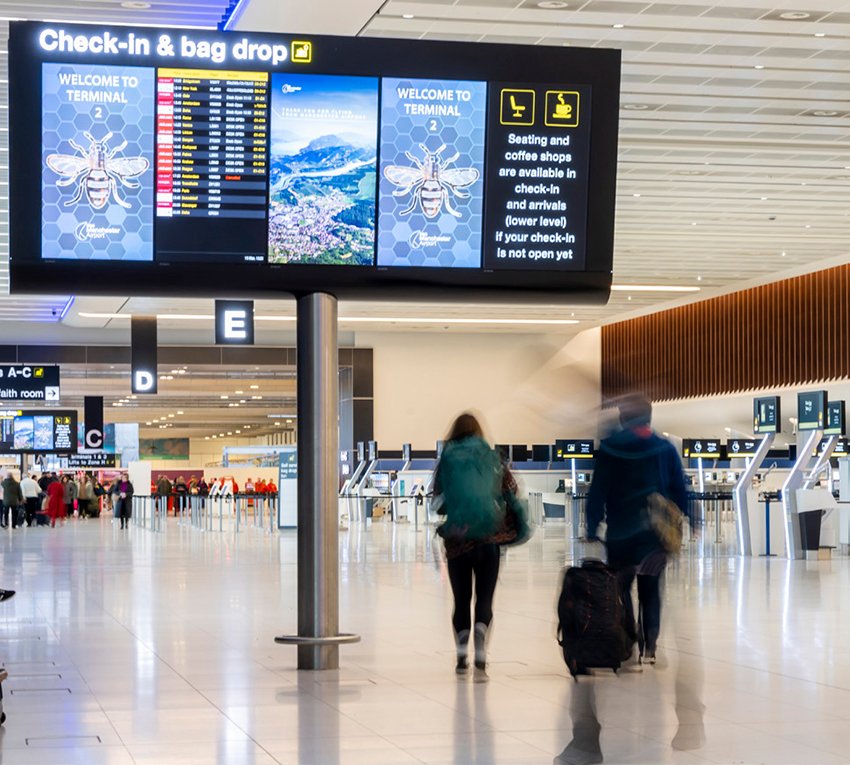
Manchester Airports Group (MAG), the UK’s largest airport group, has selected Azinq’s Airport Hive as its next generation airport management suite to provide the scalability, security, and resilience required to support one of Europe’s busiest airport groups.
This is a significant milestone for both organisations. MAG, which serves more than 65 million passengers annually, will deploy Airport Hive suite to unify and modernise its operational data infrastructure.
This creates a real time digital backbone that enables Total Airport Management, Airport Operations Plan (AOP) collaboration, and ensures AI readiness.
With a proven track record of collaboration, Azinq and MAG have been working together delivering measurable results across the group for integration and support services.
Chris Taylor, CEO of Azinq commented: “MAG has been a valued partner of Azinq since our inception. Our continued partnership together allows the opportunity for Azinq and MAG to set a new benchmark for operational performance and digital innovation within UK aviation.
“This contract represents the natural evolution of a relationship built on trust, innovation, and shared ambition.”
The comprehensive transformation will replace legacy operational systems with Airport Hive suite including flight data management, boarding management, A-CDM capabilities, aeronautical billing, reporting and seamless integration across all critical airport operations.
MAG’s product and services director, James Hill, noted: “The selection of Airport Hive will be an important step forward in our technology strategy, installing a platform at the heart of our intelligent airport ecosystem. This will support more integrated, data-driven operations and enable continuous improvements across the passenger journey.
“Through our continued partnership, we are strengthening the digital backbone of our airports, enabling us to continue to deliver efficient and enjoyable airport experiences for millions of passengers each year.”
ASSAIA UNVEILS GATE OPTIMISATION SOLUTION
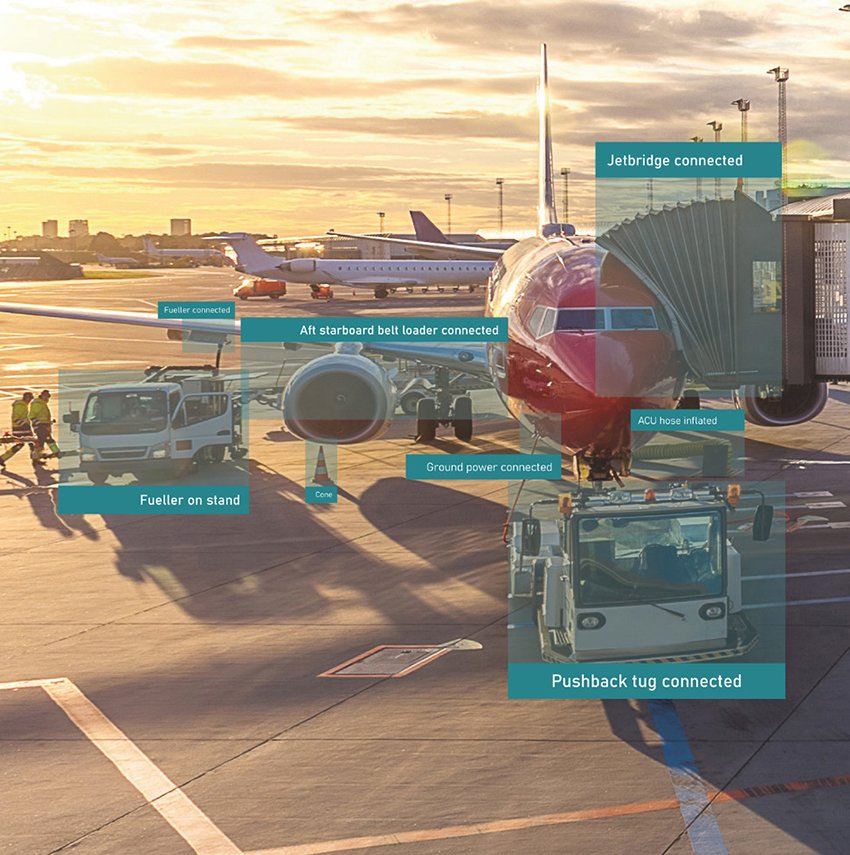
Assaia has announced the launch of StandManager, a Resource Management System (RMS) that leverages the latest AI technology to help airports determine where aircraft should park and for how long.
CEO, Christiaan Hen, said: “Airports historically allocated stands and gates using fixed buffer times, scheduled flight data, and manual processes. StandManager replaces this approach with a solution that continuously analyses live operational information to automate the stand and gate allocation process and calculate predictive buffers for each flight.
“For example, if the model identifies that a flight is likely to arrive 10 minutes early or late, the stand plan automatically reallocates gates to optimise within the airports rule set. By adjusting buffers dynamically rather than relying on fixed assumptions, airports can make better use of available capacity.”
ADB SAFEGATE TO FOCUS ON AIRSIDE OPERATIONS
ADB SAFEGATE has announced the divestment of its Terminal business line, reinforcing its strategic commitment to airside operations and accelerating its investment in next-generation airfield technologies.
As a result, the company says that it is advancing its roadmap across new-generation airfield lighting systems, intelligent power solutions, and digital platforms for Airfield, Apron and Tower applications.
It will also expand its research and development investments, including the continued growth of its ADB SAFEGATE LABS initiative. The programme accelerates co-creation with airport partners, enabling emerging technologies to be tested, validated, and scaled in live operational settings.