

Ambitious Antalya

Share
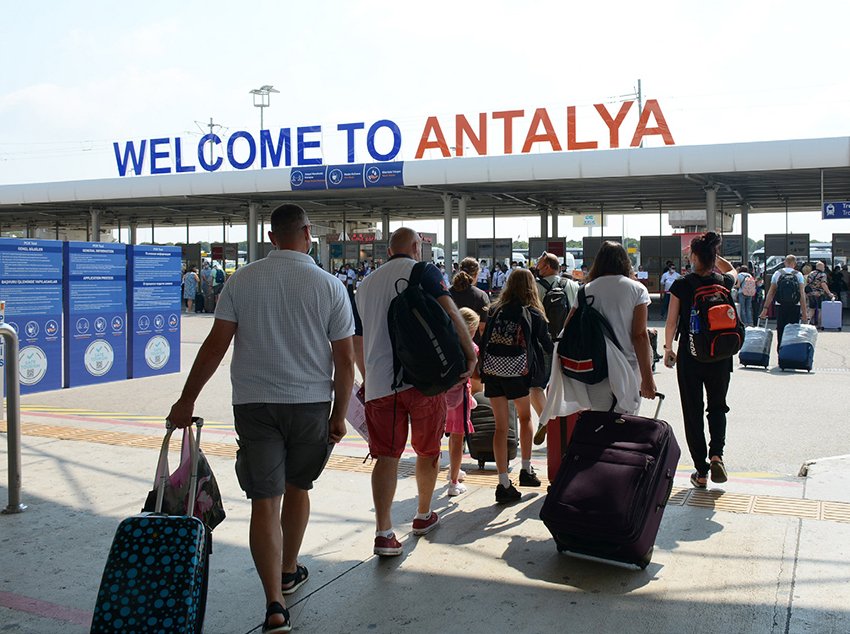
New infrastructure, all-time high passenger numbers and a growing route network ensure that Antalya Airport has begun 2026 in good shape, writes Joe Bates.
Antalya Airport (AYT), the main gateway to the Turkish Riviera, handled a record breaking 39.2 million passengers and 229,000 flights in 2025.
The new high – which is 3% more than the 38.1 million passengers that passed through its terminals in 2024 and an impressive 10% up on pre-COVID 2019 when it welcomed 35.6 million travellers – is even more remarkable considering it has done so despite the loss of significant traffic numbers to its two biggest markets – Russia and Ukraine.
And the upward trend has continued into 2026 with AYT recording its highest-ever visitor numbers for January and February, which it says reflects the growing demand for cultural, adventure and eco-focused tourism to the region.
AYT’s ability to bounce back and compensate for the downturn to two key markets says as much about the airport’s development under operator Fraport TAV Antalya Airport as it does the attractiveness of its Mediterranean coast location.
Fraport TAV Antalya Airport – a joint venture between Fraport AG and TAV Airports which holds the concession to operate and develop AYT until the end of 2051 – has, for example, invested more than €865 million on enhancing the airport’s facilities in the last three years alone, and continues to grow its route network.
The investment has effectively doubled the size of Terminal 2 and enhanced the airfield with the addition of new taxiways and 1.4 million square metres of apron to allow for parking for up to 202 aircraft.
Other facilities added as part of the first phase of the airport’s investment programme have included a multi-storey car park, new connecting roads, aircraft maintenance hangars and a general aviation terminal.
“The new infrastructure enables us to meet the rapidly increasing demand for air travel to the Turkish Riviera,” enthuses Dr Frank Quante, AYT’s Fraport AG appointed general manager.
TRAFFIC GROWTH
As stated above, a best ever 39.2 million passengers used Antalya Airport last year as it recorded its fifth successive year of traffic growth.
The upturn in traffic has, in part, been driven by its recovery from the COVID pandemic which saw its throughput fall from 35.6 million in 2019 to just 9.7 million a year later, but the efforts of senior management and its route development team to expand AYT’s connectivity cannot be underestimated.
As a result of these efforts, AYT’s route network has grown from 86 airlines serving 176 destinations in 49 countries before the conflict in Ukraine to 96 carriers flying to 230 destinations in 52 countries today.
These include newly introduced routes to Milan, Aarhus, Dubai, Abu Dhabi, Cairo, Riyadh and Jeddah by SunExpress, Pegasus, Flydubai, Etihad Airways, Air Cairo, Flynas, Flyadeal and Saudia respectively.
Having said all of that, AYT’s TAV Airports appointed general manager, Deniz Varol, admits that “seasonality” is probably the biggest challenge to the airport’s future growth.
He explains: “During the winter season, we have a daily average of 270 ATMs. In summer season, this average goes up to 910 ATMs.
“Together with our stakeholders, we must adapt operational resources to meet this fluctuation in demand, and it’s not always easy.
“I believe that in past years we successfully managed to keep operational efficiency and passenger satisfaction inline, and with the new infrastructure we will be able to achieve significant gains on both fronts.”
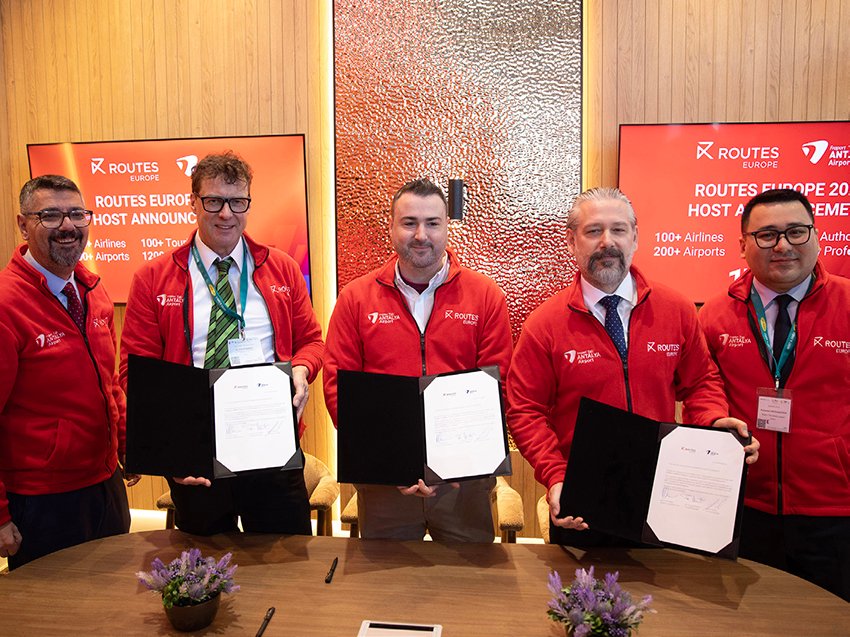
It was recently announced that AYT will host Routes Europe 2027, which according to Quante will give the airport a great opportunity to showcase itself to the world.
“Hosting this prestigious event will provide a valuable opportunity to engage with airline partners and industry stakeholders, showcase the strength of the Antalya market, and support the sustainable development of new air services,” he enthused.
“We look forward to demonstrating the long-term potential of Antalya as a year-round Mediterranean destination.”
While Routes director, Steven Small, said: “Routes Europe 2027 comes at a perfect time for the airport, having recently completed the first phase of the major expansion project.
“This significant investment has resulted in capacity for further traffic growth.
“With decision makers from over 110 of the region’s leading airlines in attendance, I am confident that this event will unlock new opportunities, drive sustainable growth and solidify Antalya’s position as a leading holiday airport in the Mediterranean region.”
Antalya hosts numerous national and international events every year, with the 2026 calendar including the UN climate change conference COP31.
The growing recognition of Antalya as a world-class conference destination has further supported visitor numbers outside of the traditional high seasons.
For the record, the five largest markets served from Antalya in 2025 were Germany, Russia, United Kingdom and Moldova.
Last year’s traffic total cemented AYT’s status as Turkey’s second busiest airport for international traffic after iGA Istanbul, which accommodates around a third of all passengers handled across the country.
NEW INFRASTRUCTURE
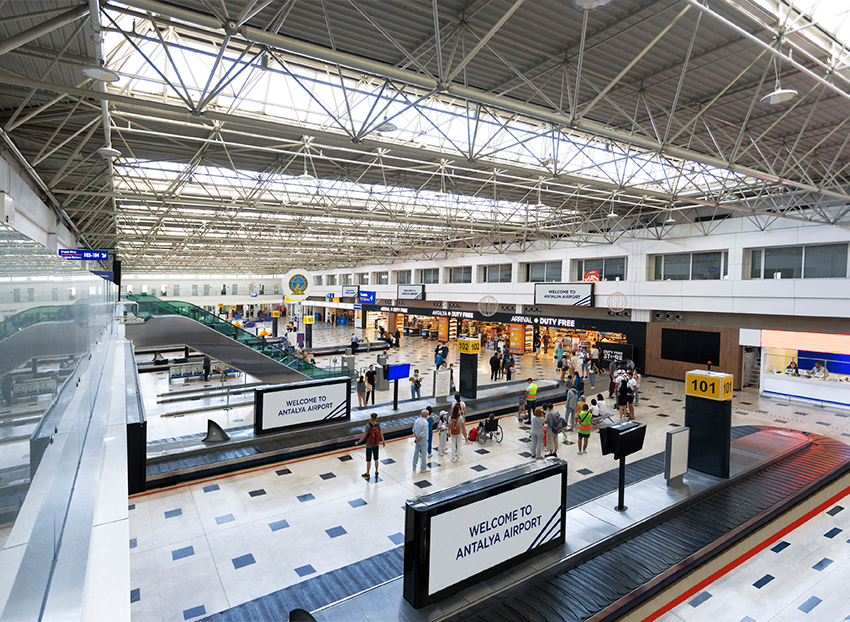
Located 13 kilometres northeast of the city of Antalya, AYT has three terminals that include the newly expanded Terminal 2, which has effectively equipped the airport to handle up to 65 million passengers per annum.
Completed in April 2025, the expanded Terminal 2 now covers a total floor area of 300,000sqm that has allowed the airport to almost double the size of the area used for handling international traffic and triple the size of its commercial offerings.
Indeed, AYT believes that the expanded terminal and new commercial facilities that include a new lounge, shops and F&B outlets have taken the airport experience in Antalya to another level.
Talking about benefits of its expanded Terminal 2, Varol said: “We are proud to have completed the massive expansion project in three years.
“This investment has significantly elevated the passenger experience and provided the capacity for expected growth.
“It has laid the ground for airlines to base more aircraft in Antalya and provided the necessary infrastructure to support the region’s long-term development.
“Last year was about transition and fine-tuning. In 2026, we will see the full effect of the new facilities on passenger satisfaction and operational efficiency.”
COMMERCIAL OFFERINGS
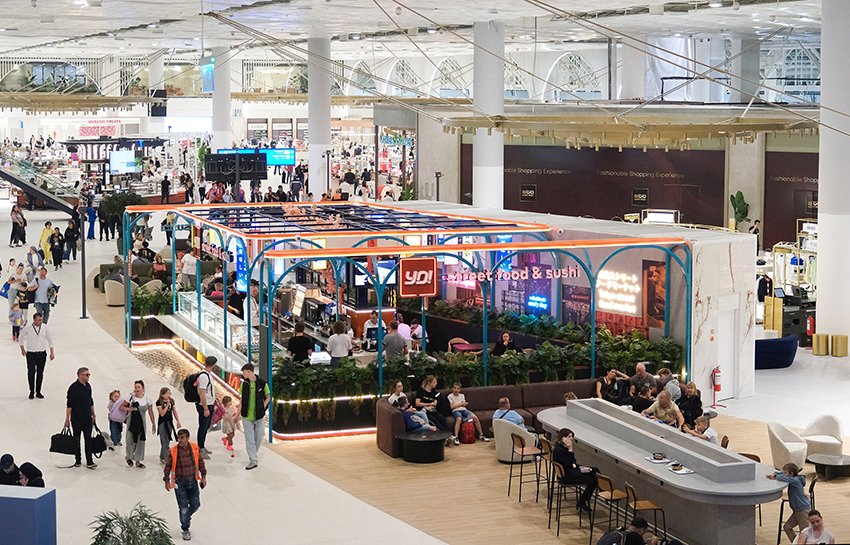
The JV is quick to note that new commercial offerings in the shape of lounges, F&B offerings and shops was a major focus of the expansion of Terminal 2.
The commercial revamp was spearheaded by BFA, a partnership between BTA (60%) and Fraport (40%), which in total has delivered 28 F&B outlets spread across 7,500sqm in Terminal 2.
The new F&B additions include the ‘Taste of Anatolia’. Described as the “jewel in the crown” of T2’s restaurants, the outlet opened in collaboration with the renowned Turkish chef Ömür Akkor and serves dishes that reflect the culinary heritage of the region.
Elsewhere in the terminal, ATÜ Duty-Free – a subsidiary of TAV Airports and Unifree Duty Free/Gebr Heinemann – operates the flagship main duty free store in the T2 extension.
In addition it operates a multi-brand fashion and accessories concept along with the Old Bazaar providing a wider variety of locally sourced food and souvenirs.
ATÜ also has two Arrival stores at T2 and plans to open future outlets in its piers, at which time the terminal will contain approximately 12,000sqm of duty free space.
The terminal also now has three lounges, each offering different levels of service (Comfort, Elite and Premium) that AYT hopes will appeal to all tastes and pockets.
Both the Elite and Premium lounges have access to a terrace and offer guests a butler service for their duty free shopping across the terminal. Visitors can also get food delivered to their table from any F&B point at the airport.
SUSTAINABLE GROWTH
Determined to limit its impact on the environment, Fraport TAV Antalya Airport insists that its plan is to ensure the sustainable growth of the gateway over the next three decades.
“While we work to increase connectivity, attract new airlines and grow our base, we keep our focus on sustainability,” says Quante.
“Antalya Airport’s T2 International Terminal and T4 Domestic Terminal extension projects are registered for LEED Gold accreditation – one of the highest international standards in energy efficient buildings.
“The airport is already accredited at Level 3+ Carbon Neutrality status in ACI’s Airport Carbon Accreditation programme, and we recently installed a 4-MW solar power plant as part of expansion programme.”
NEXT ON THE AGENDA
In terms of infrastructure development, the second phase of the airport’s master plan includes proposals for a new international terminal, with work on the project slated to begin in 2038.
It is anticipated that the new terminal will cost €165 million and raise AYT’s capacity to 80 million passengers per annum.
And the JV is so confident in the continued and future success of Antalya Airport that it and its lenders have already signed the financing agreements for the long-term project.