


Airport projects building the next era of air travel in the United States

Share
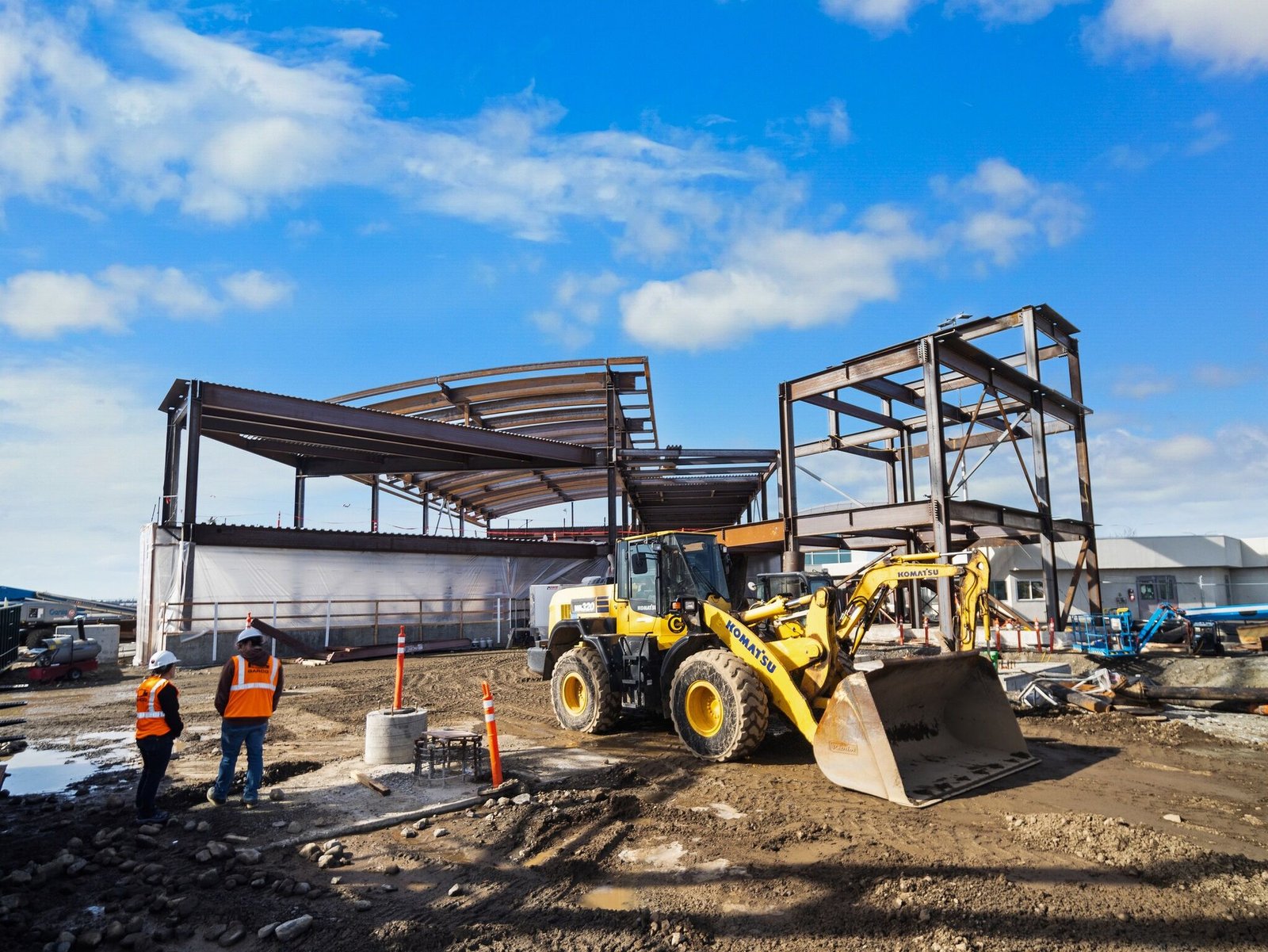
Airports throughout the US are moving beyond incremental upgrades and toward long-range modernisation strategies, writes Mary Scott Nabers.
Projects are being designed to meet sustained growth, evolving airline needs, and rising passenger expectations. From terminal expansions to landside and parking improvements, these comprehensive programs reflect a broader shift in how airport operators are planning for capacity, resilience, and long-term flexibility.
Several recently announced projects illustrate how airports of all sizes are positioning themselves for the next generation of air travel.
A long-range terminal and concourse expansion programme has been announced by officials at Blue Grass Airport in Lexington, Kentucky.
As airport leadership lays the groundwork for a multi-phase modernisation effort, planning documents outline initiatives designed to accommodate future passenger growth and evolving operational needs.
The programme carries an estimated total cost of $776.5 million and is structured as a ten-phase capital plan that will expand the airport’s terminal, concourses, and landside facilities.
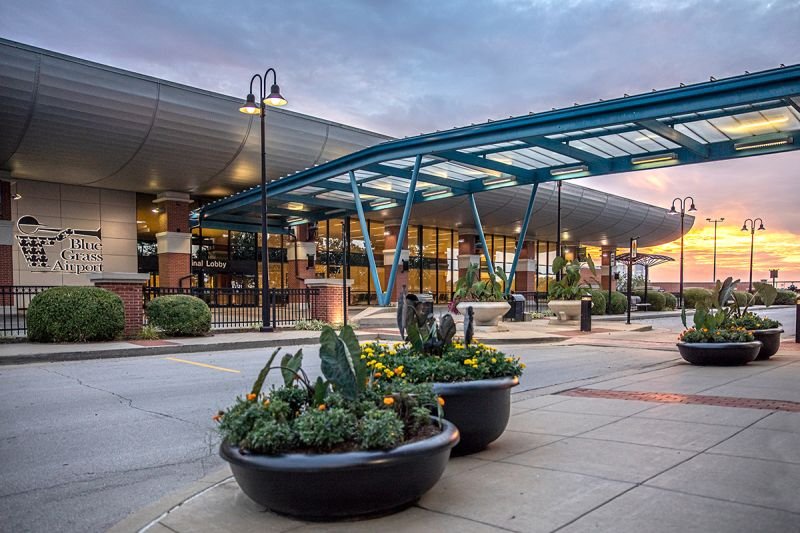
Work outlined in current planning materials includes construction of a new concourse and apron that will add eight gates to the existing terminal, increasing capacity toward a planned 15-gate configuration.
Plans also call for renovation and repurposing of decommissioned spaces. Other project components include expansion of the baggage claim hall, conversion of portions of the baggage claim area into airline ticketing offices, and improvements to the terminal curb front to support higher passenger volumes.
Additional phases will expand other facility areas to allow for continual upgrades that enhance passenger services. Complementary projects such as a new rental car ready and return facility, utility relocations, apron expansion, and flex warehouse space will be integrated into early phases to support later vertical construction.
Officials at Northwest Arkansas National Airport in Highfill, Arkansas, are planning an estimated $109.4 million Western Concourse Expansion to accommodate record passenger growth and increase gate capacity at one of the fastest-growing regional aviation hubs in the nation.
Airport management has positioned the concourse as a next, but not final, step in terminal expansion planning due to the region’s sustained demand for both leisure and business travel.
Key upgrades include construction of a new western concourse connected to the existing terminal, along with the addition of more gates and nearly 89,000 square feet of expanded passenger space.
Airport planning materials outline a strategy to increase capacity for upcoming airline service and enhance terminal efficiency.

This investment will support improved passenger flow, additional boarding facilities, and long-term flexibility for future airport expansion. The new facility will also maintain architectural consistency with the existing terminal.
The phased project will be delivered over several years and is currently in the planning and design development stage, which is expected to continue through mid-2026. The first round of construction solicitations is anticipated in late 2026.
Roanoke-Blacksburg Regional Airport in Virginia has been targeted for a $55 million terminal improvement project. As one of the state’s growing regional aviation hubs, the project’s objective is to improve capacity and safety while also enhancing the overall travel experience.
Notable improvements include a full reconstruction of the terminal’s internal layout, relocation of the security checkpoint, adjustments to passenger circulation areas, and modernisation of outbound baggage handling operations.
The scope also includes relocation of baggage screening functions, updates to ticket counter space, upgrades to office areas, and improvements to back-of-house systems to support more efficient operations.
The project will be delivered in multiple phases and is currently in the early planning and design development stage. According to airport documents, the first round of construction solicitations will likely be released in late 2026.
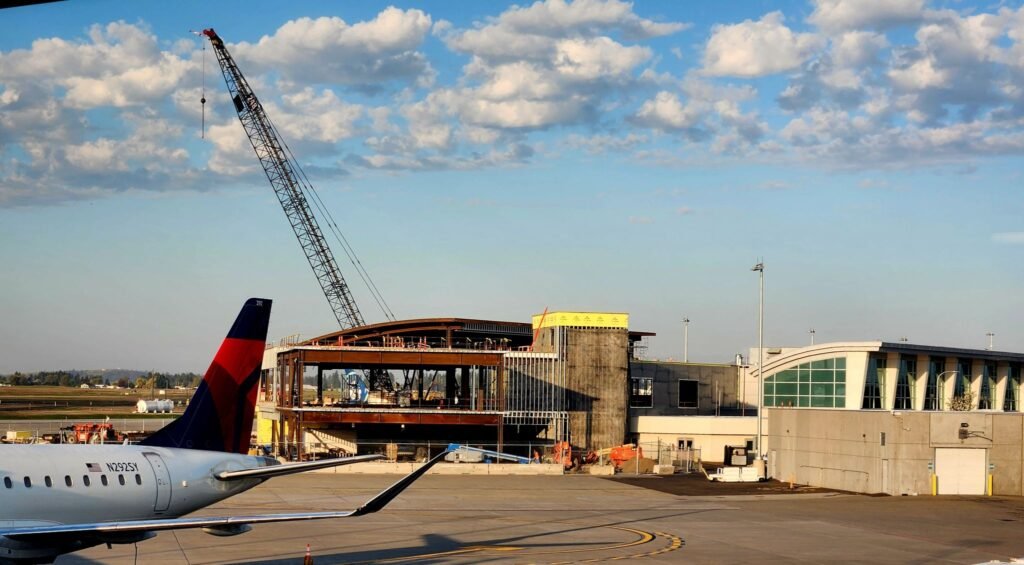
Officials in Spokane, Washington, are moving forward with a $48 million project to expand a parking garage at Spokane International Airport.
The project will be delivered using a design-build model, with the objective of upgrading portions of the facility to improve operational efficiency. Work will also include modernisation of existing infrastructure and renovation of key safety elements.
Planning documents outline not only an expansion of the existing parking garage, but also construction of an additional multi-level structure.
The design will improve access to terminal facilities and accommodate increasing passenger volumes experienced in recent years.
When completed, the new garage will add approximately 750 parking stalls, expanding both short-term and long-term parking capacity, improving customer convenience, and advancing the airport’s strategic plan.
The renovation will also integrate electric vehicle charging stations and automated parking guidance systems. Construction is anticipated to begin in 2027, with a targeted completion in 2028. Solicitations are expected to be released in June 2026.
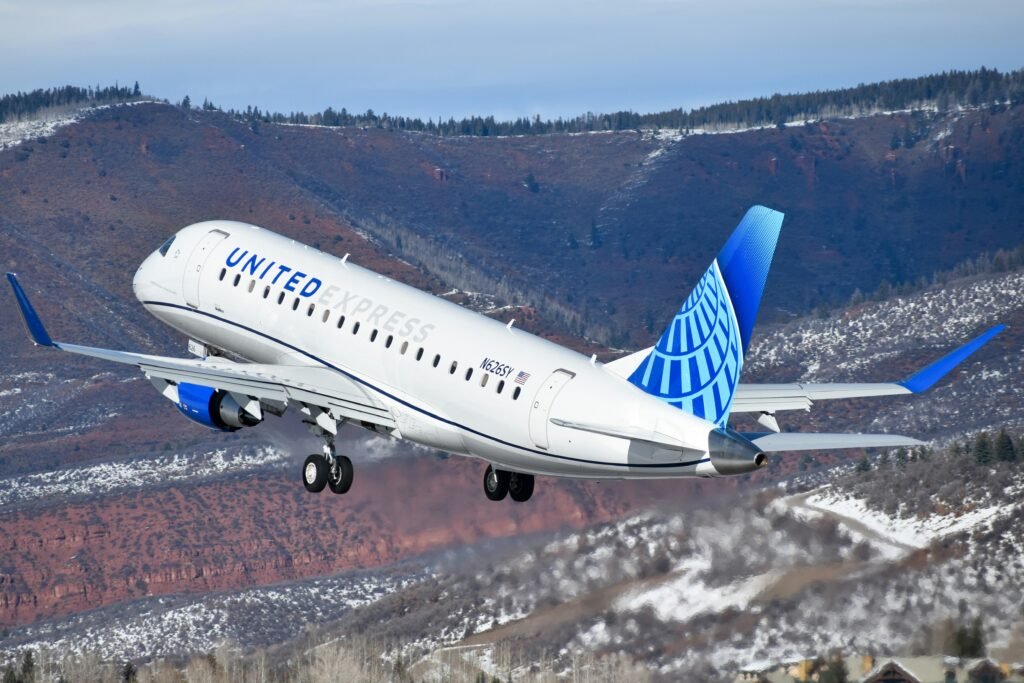
United Express E175 departing Aspen/Pitkin County Airport. Image courtesy of David Syphers on Unspash.
City officials in Aspen, Colorado, have announced plans to construct a new passenger terminal at Aspen-Pitkin County Airport. This effort represents a major modernisation programme designed to strengthen safety measures and support long-term operations within a constrained mountain environment.
The overall initiative pairs airfield reconstruction with a new terminal and related access upgrades, with a strong emphasis on sustainability.
The terminal will serve as the centrepiece of the modernisation effort, with construction scheduled to proceed following completion of runway work. The project will incorporate multi-modal connectivity improvements designed to better manage peak-season demand, including enhanced ground transportation and shuttle operations.
Additional elements include expanded electric and low-emission options, updated parking strategies, and improved circulation and access.
The scope also includes updates to the Airport Layout Plan to guide future facilities, land use, and airspace planning, along with supporting infrastructure focused on emissions reduction, noise mitigation, and other community-driven priorities.
The project is currently in the design phase, with construction expected to begin in early 2027, following completion of design work. After the runway work is completed, the program will transition into terminal construction, with the new facility scheduled to open in 2029.
US airports are underscoring a nationwide modernisation effort by investing strategically to balance immediate capacity demands with long-term operational goals.
Whether through phased terminal expansions, concourse additions, or critical landside improvements, airport owners are laying the foundation for more flexible, efficient, and passenger-focused facilities.
As these programmes move from planning into procurement and construction, they will continue to shape opportunities across the aviation and infrastructure markets in the years ahead.
ABOUT THE AUTHOR
As president and CEO of Strategic Partnerships, Inc Mary Scott Nabers, a former statewide office holder in Texas, has decades of experience in the public and private sectors. Her unique expertise is her success in connecting the two sectors. She is a well-known expert in the P3 world and an experienced business development professional.


